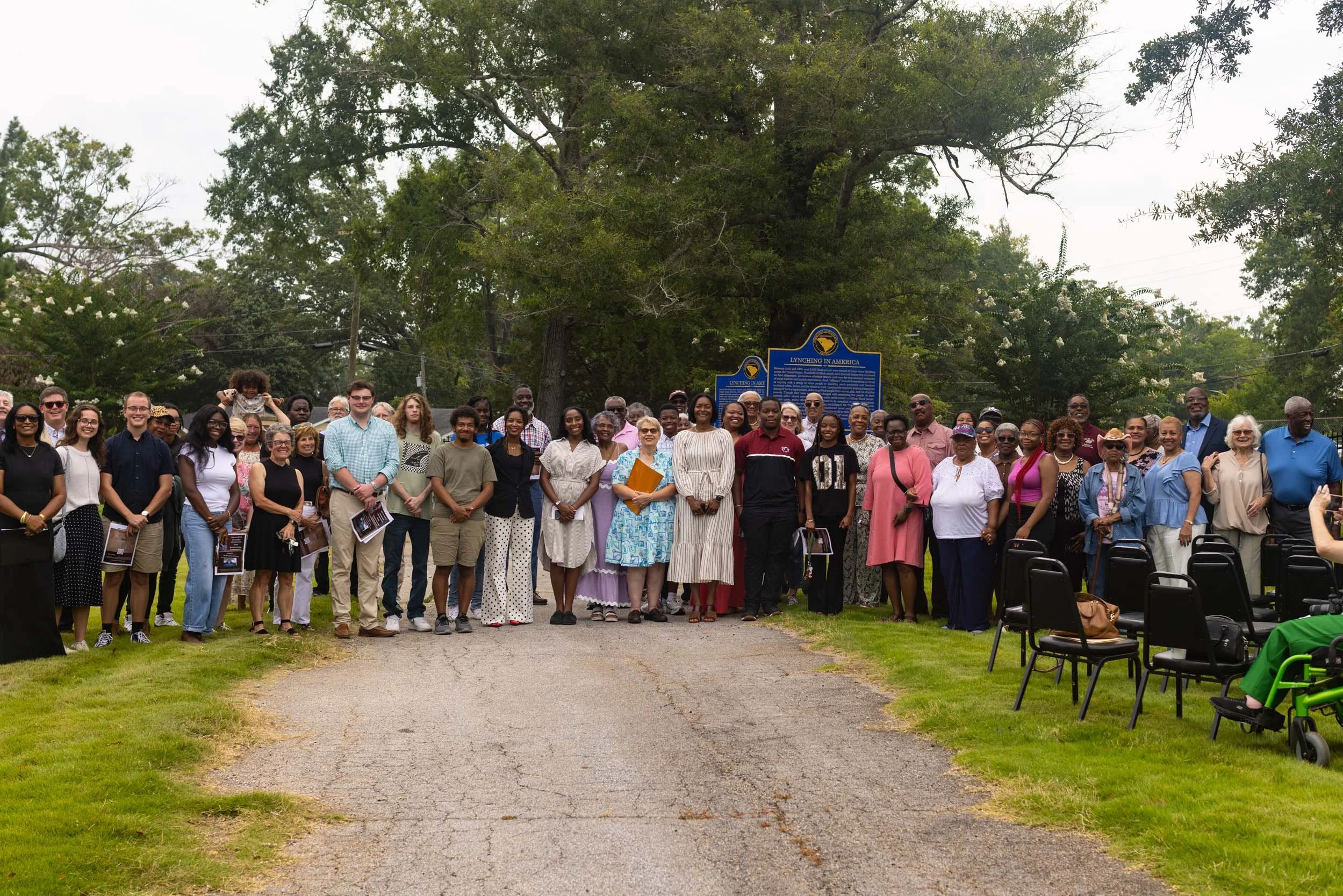
A visit to Greenwood reminds us that the work of remembrance is growing across South Carolina, and that no community walks this journey alone.
Written by Bobby Rettew, MA
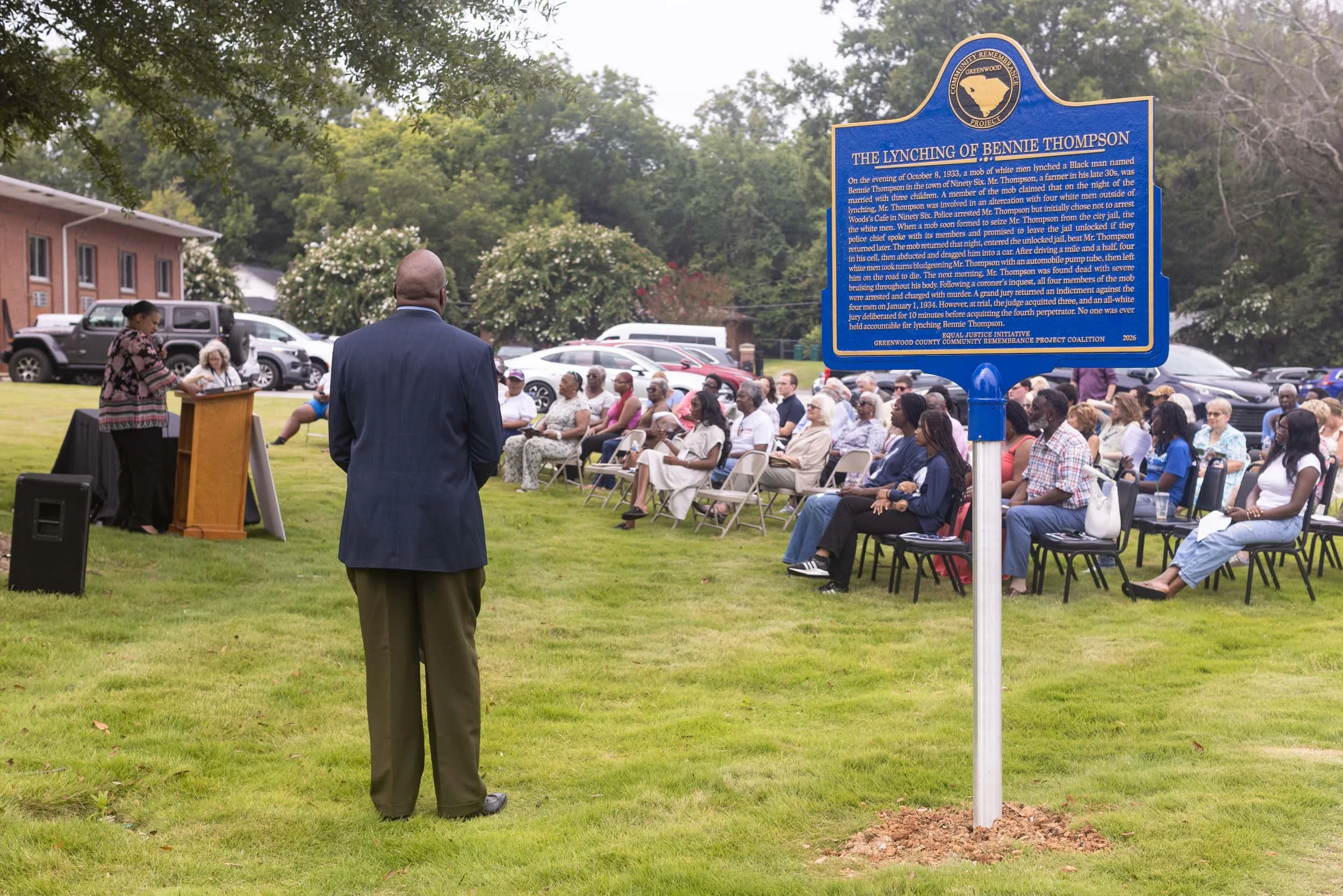
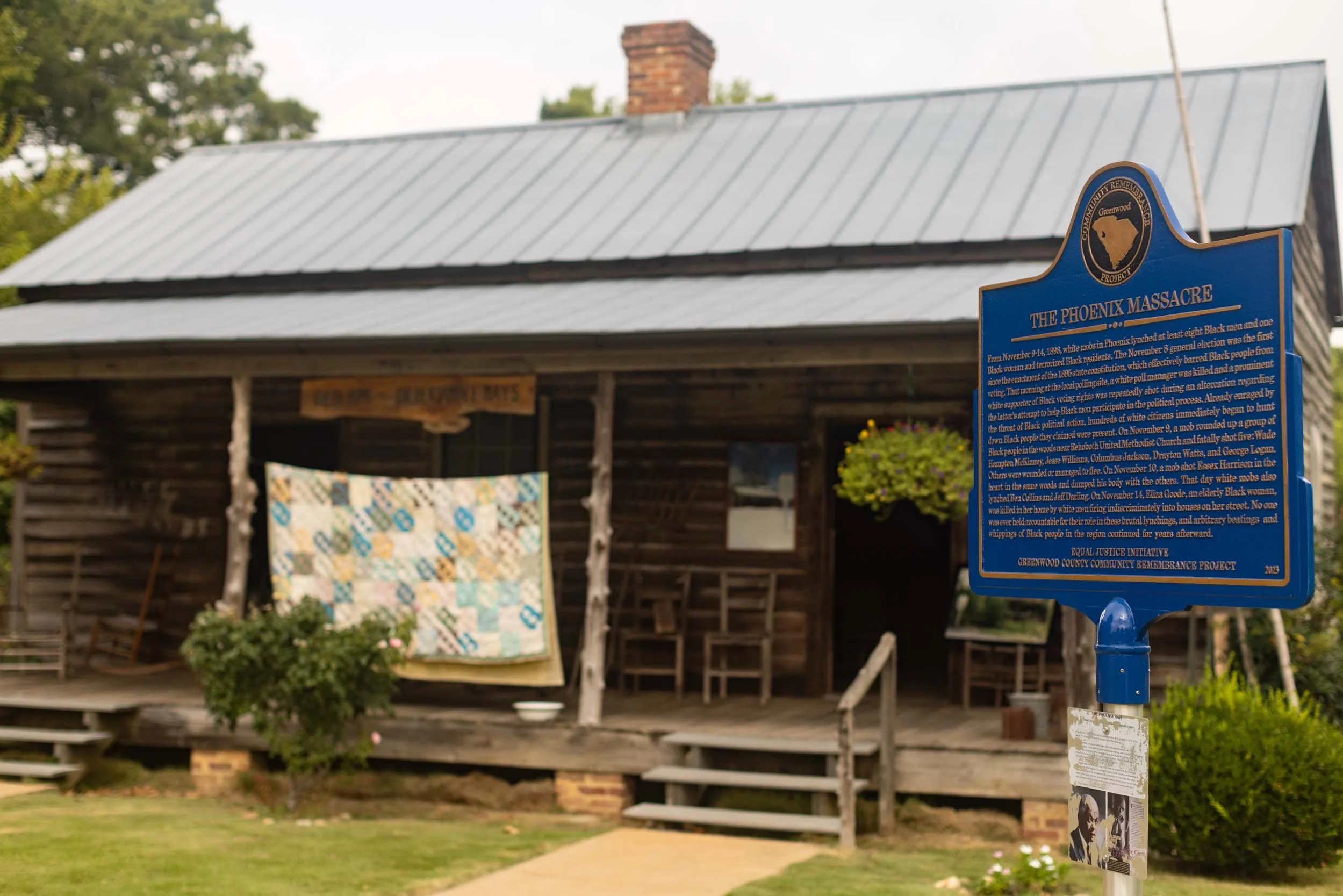
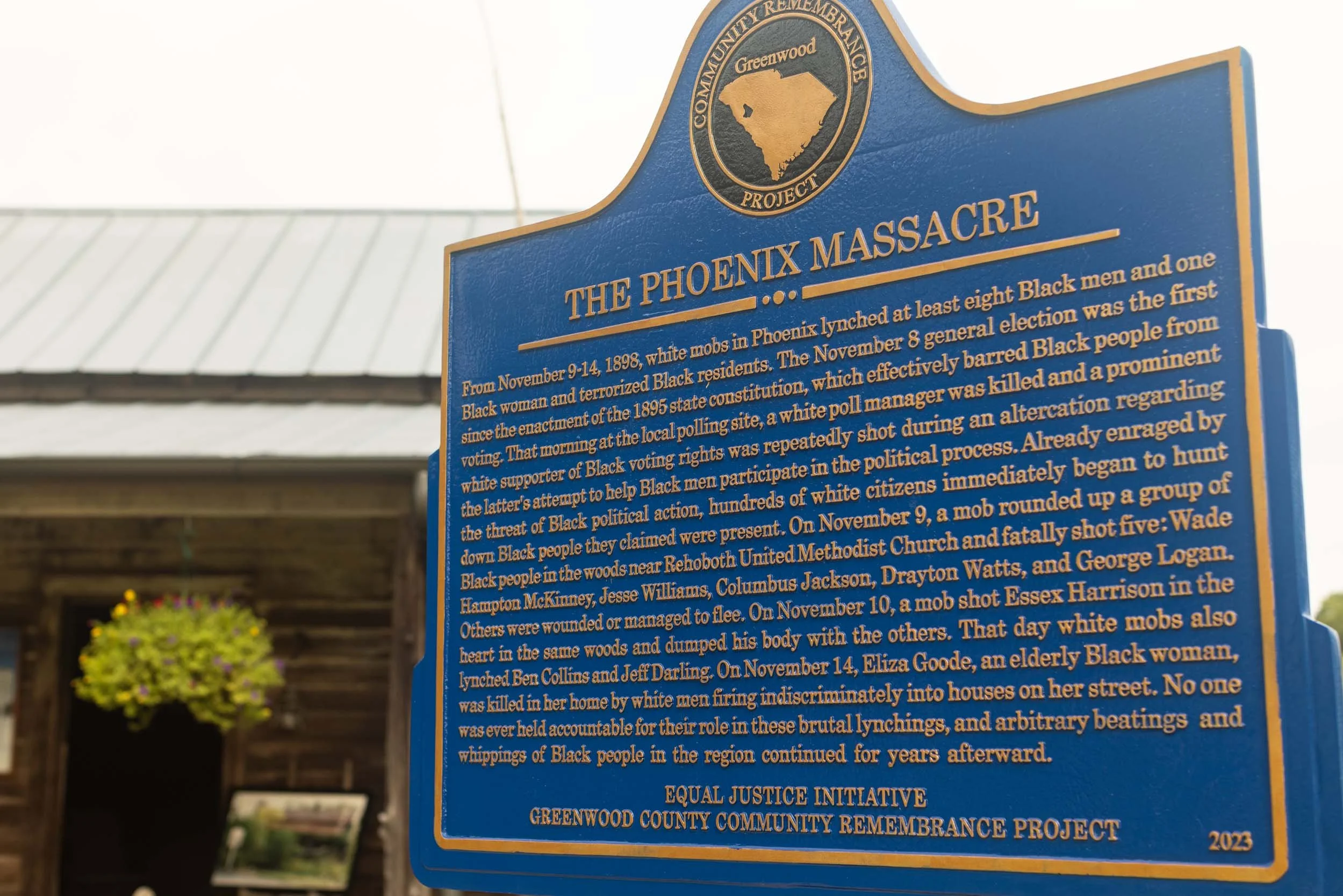
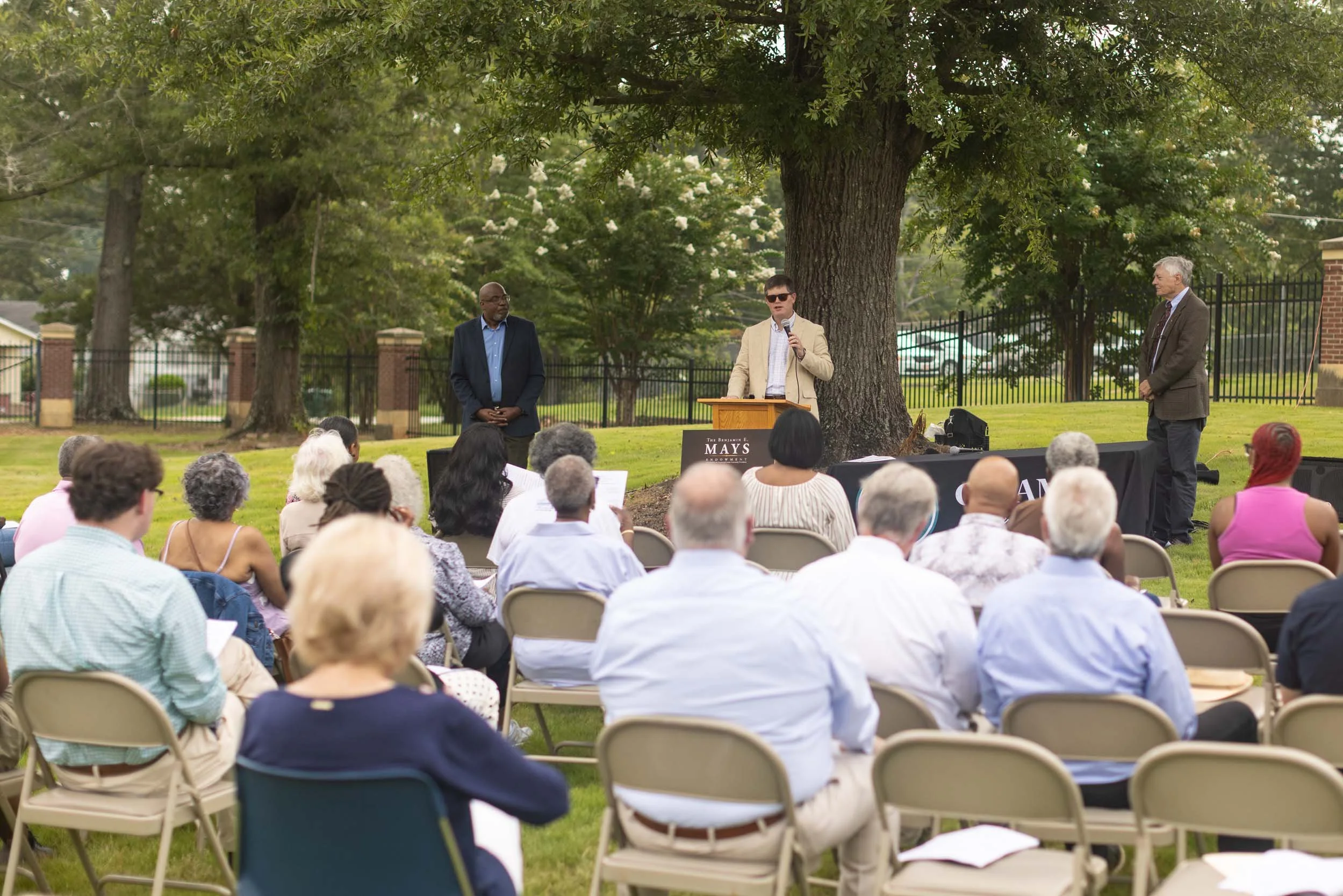
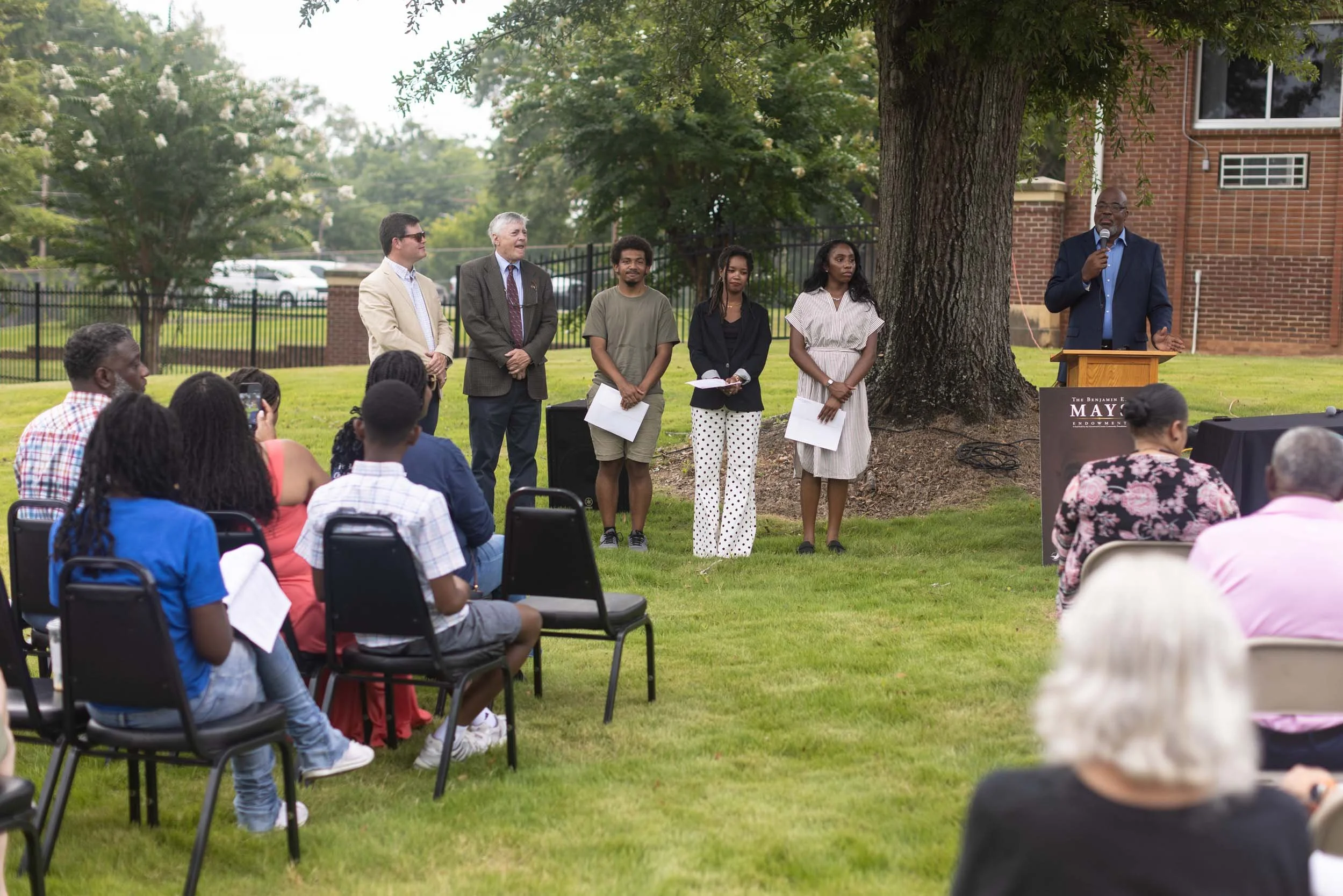
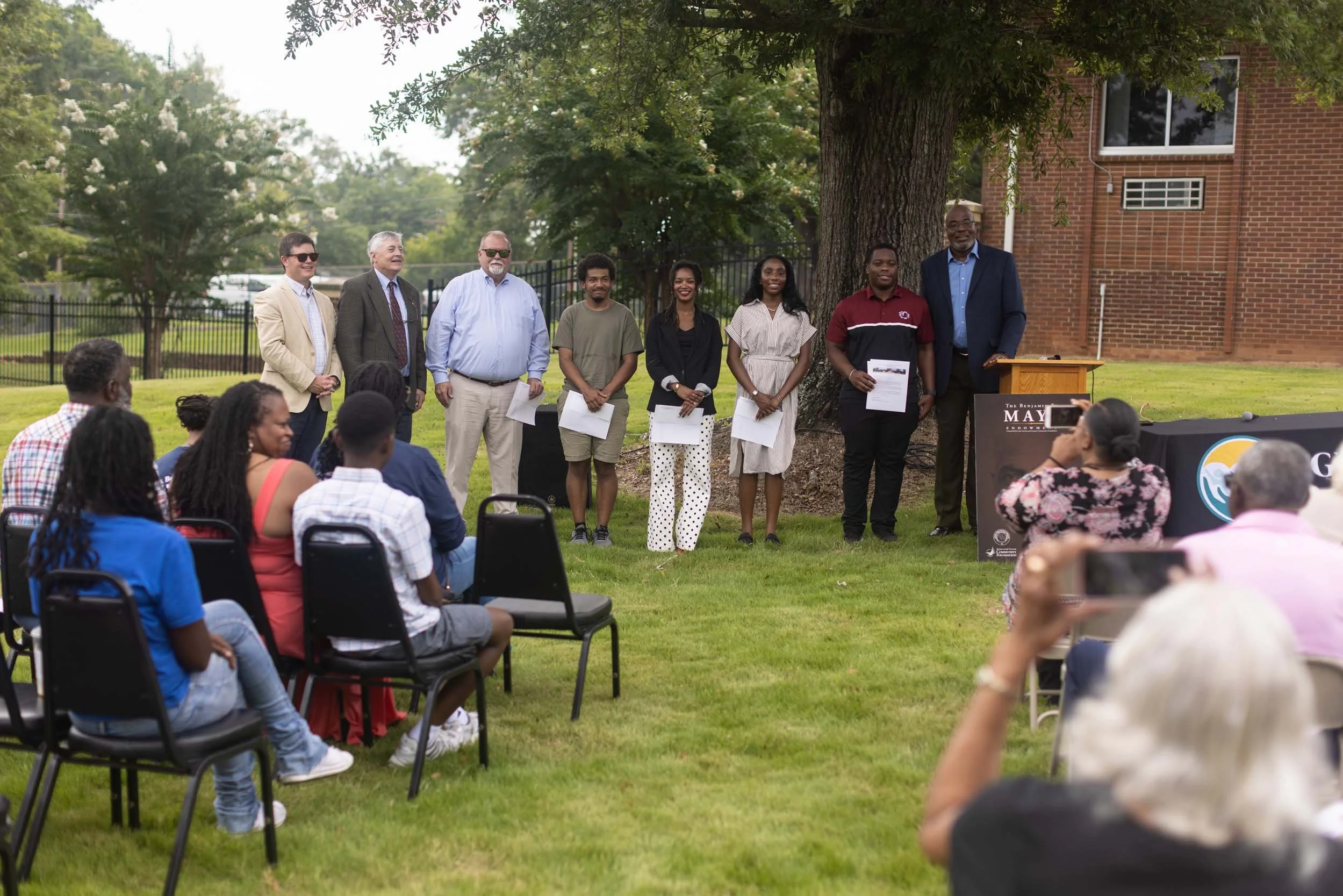
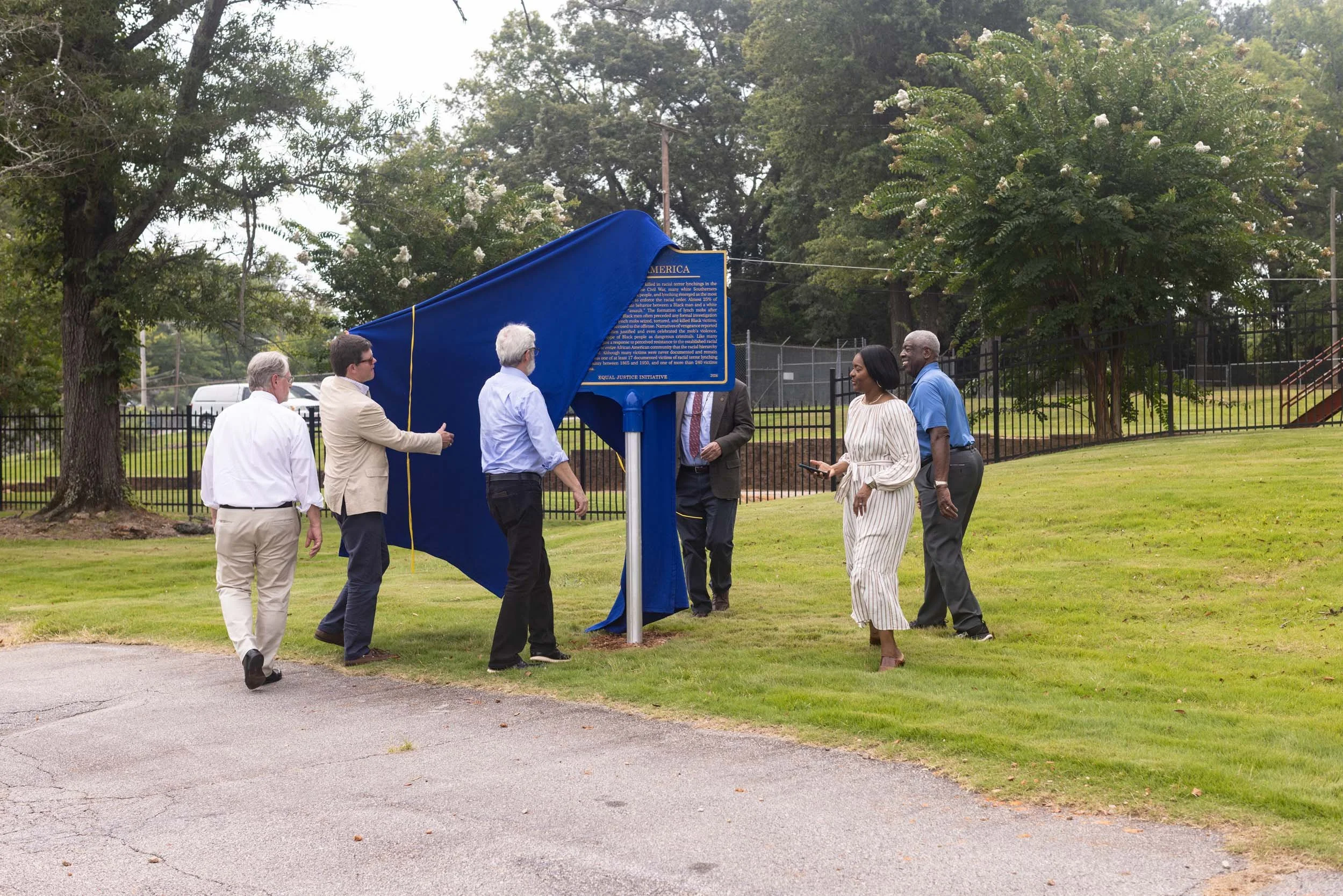
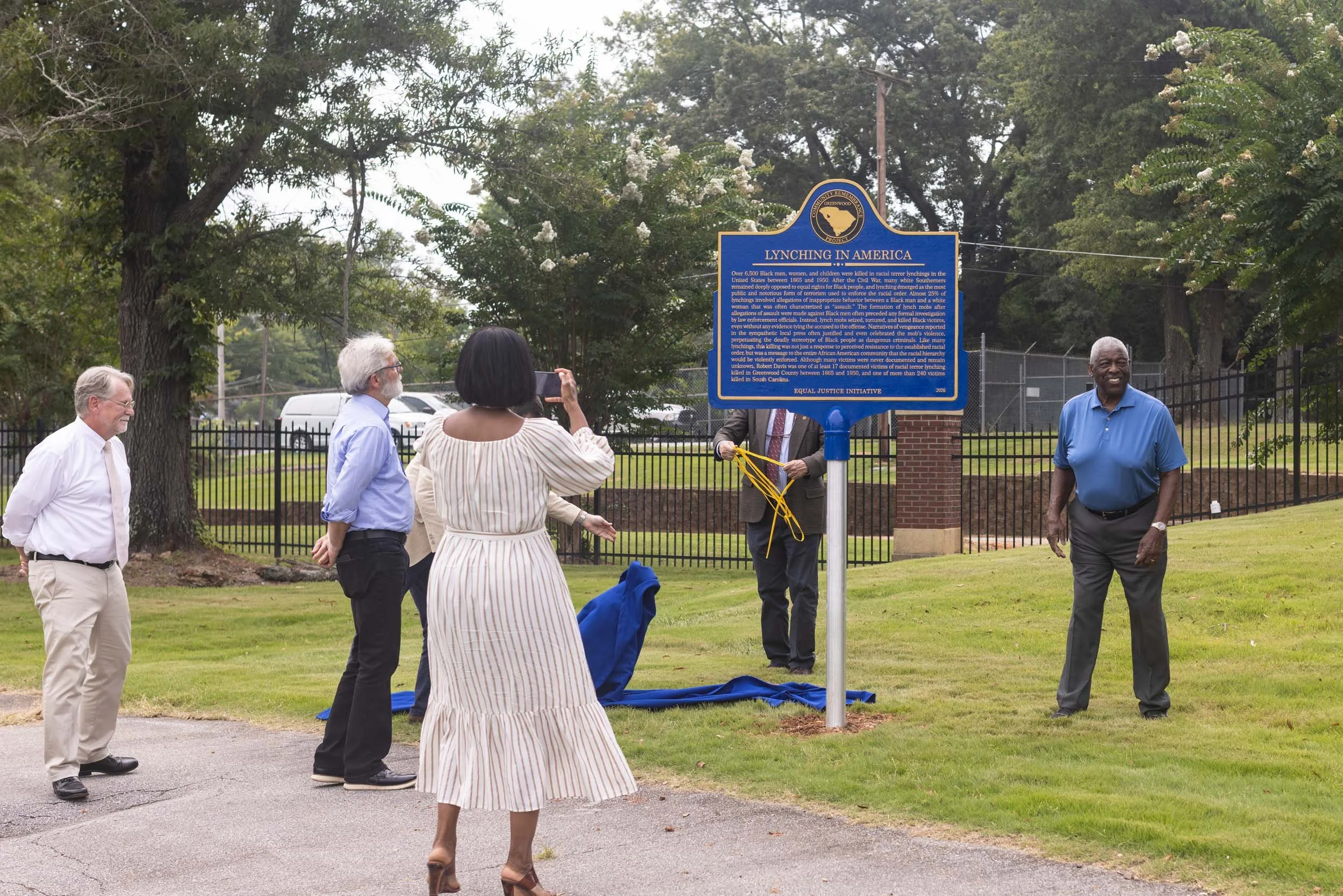
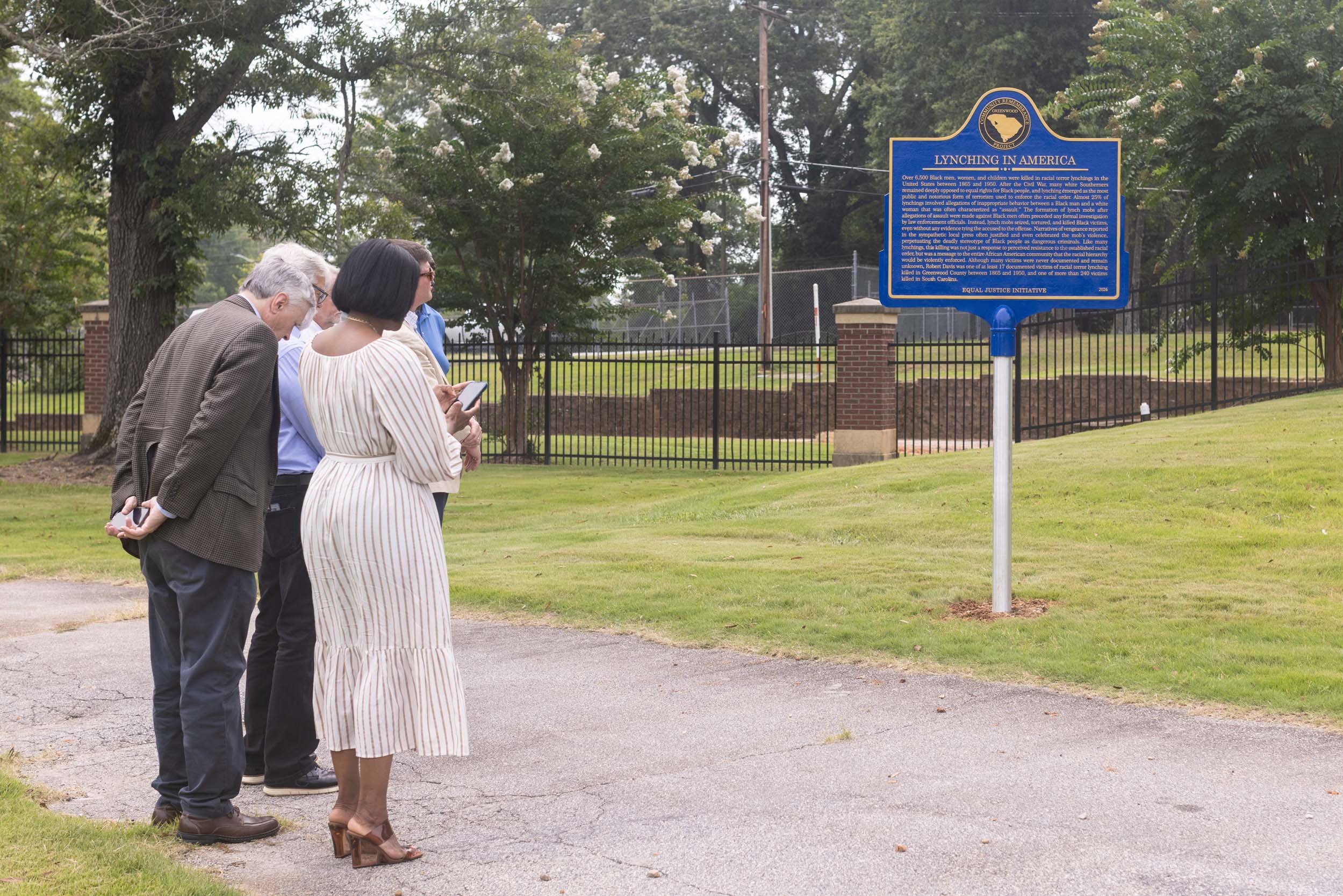
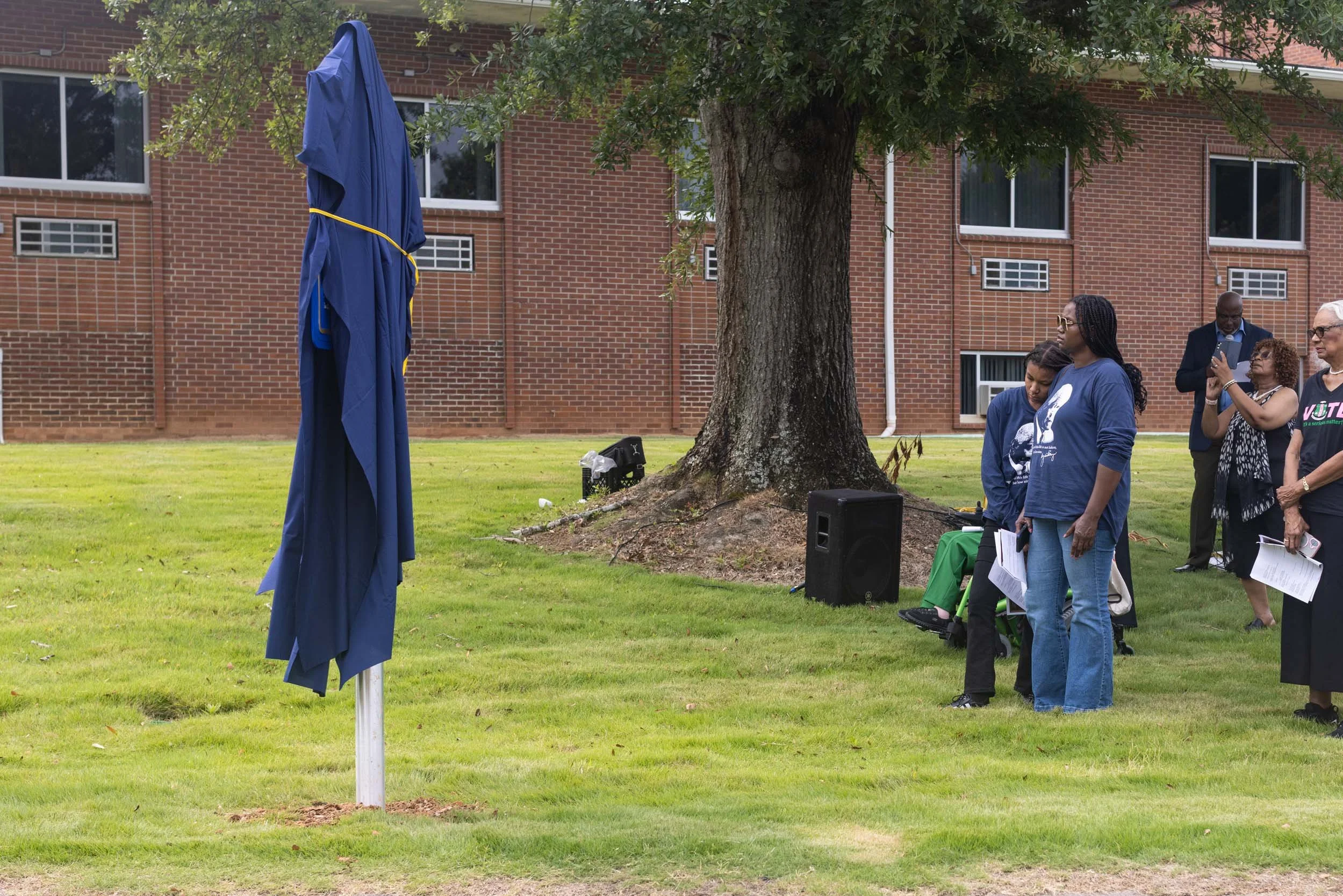
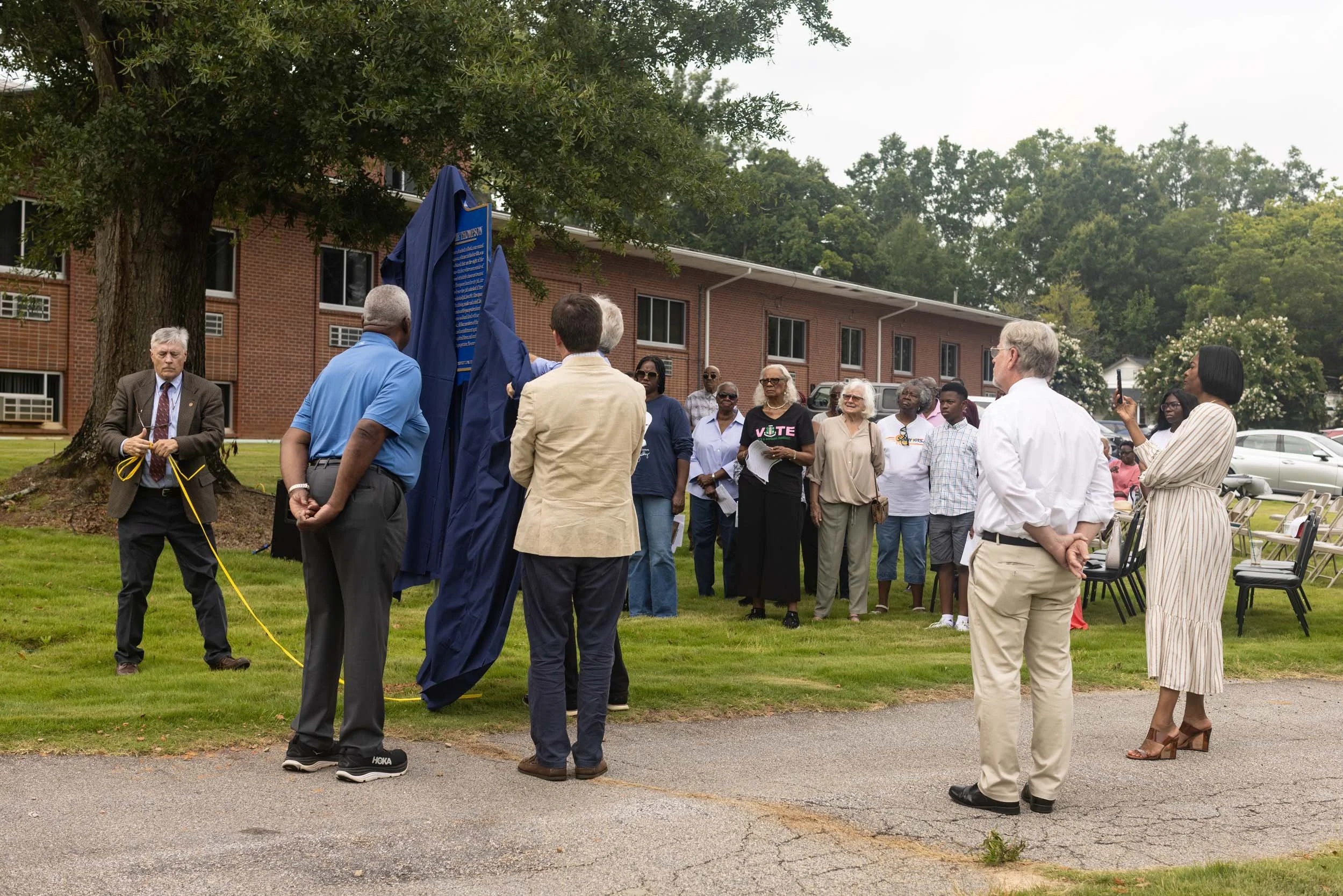
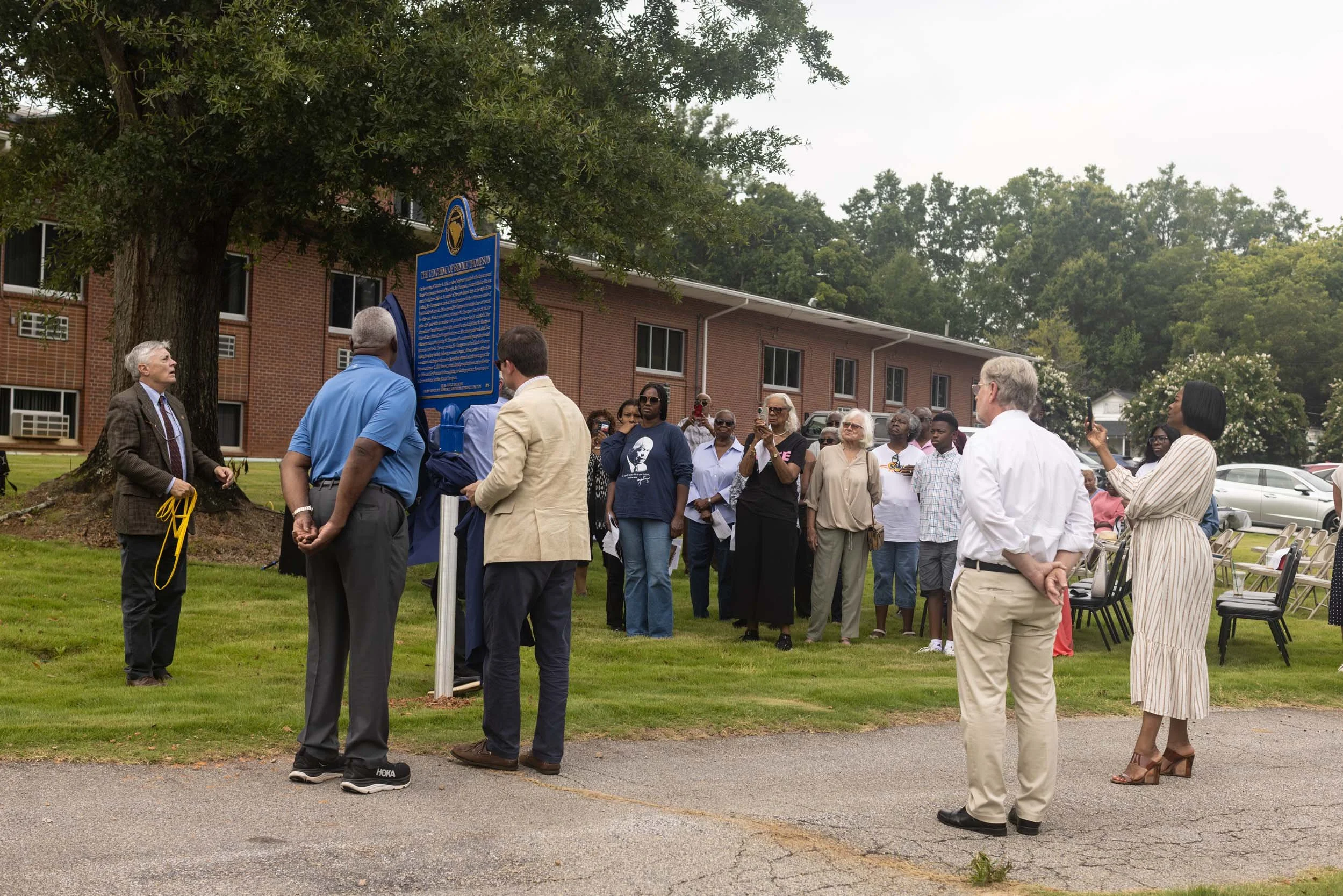
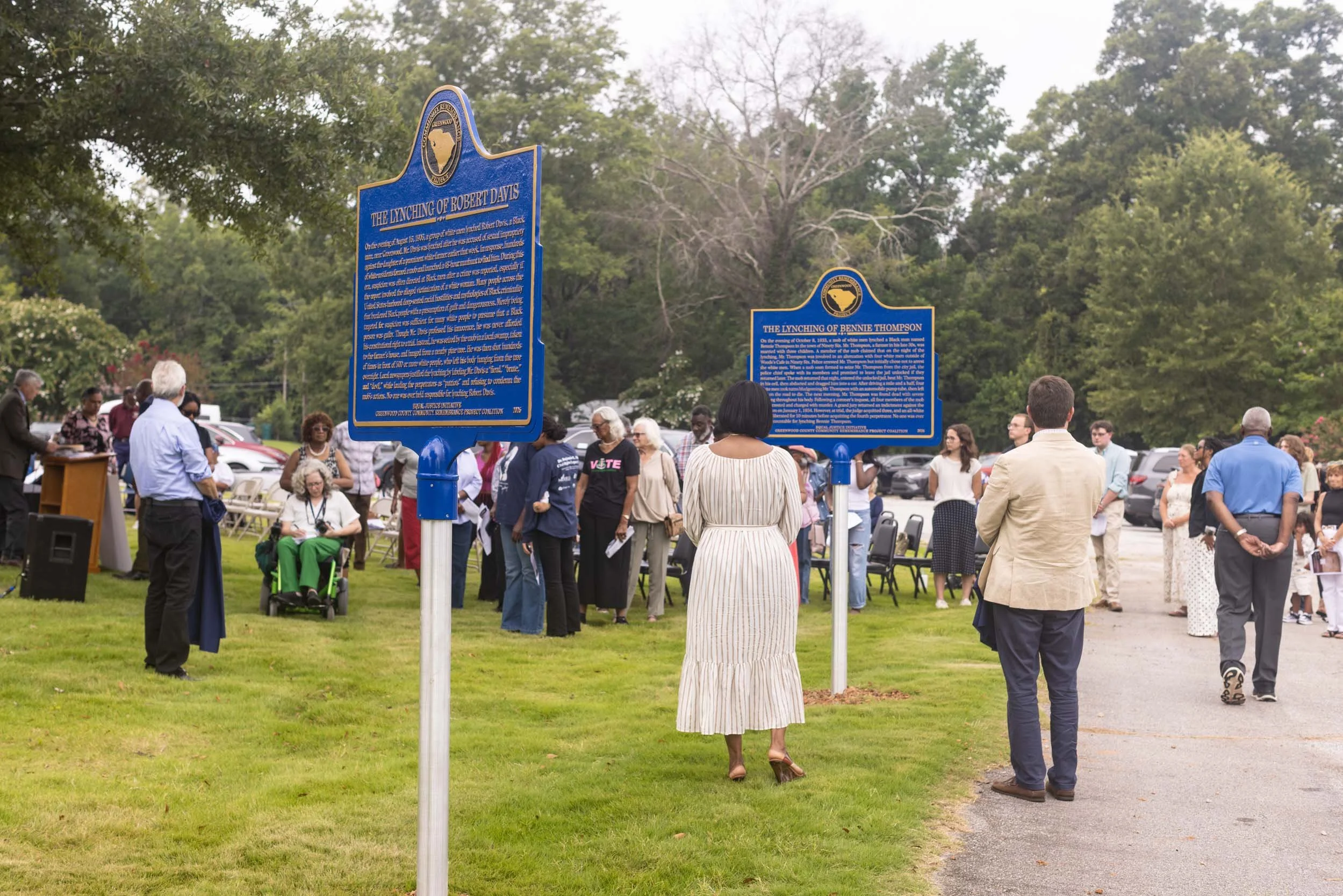
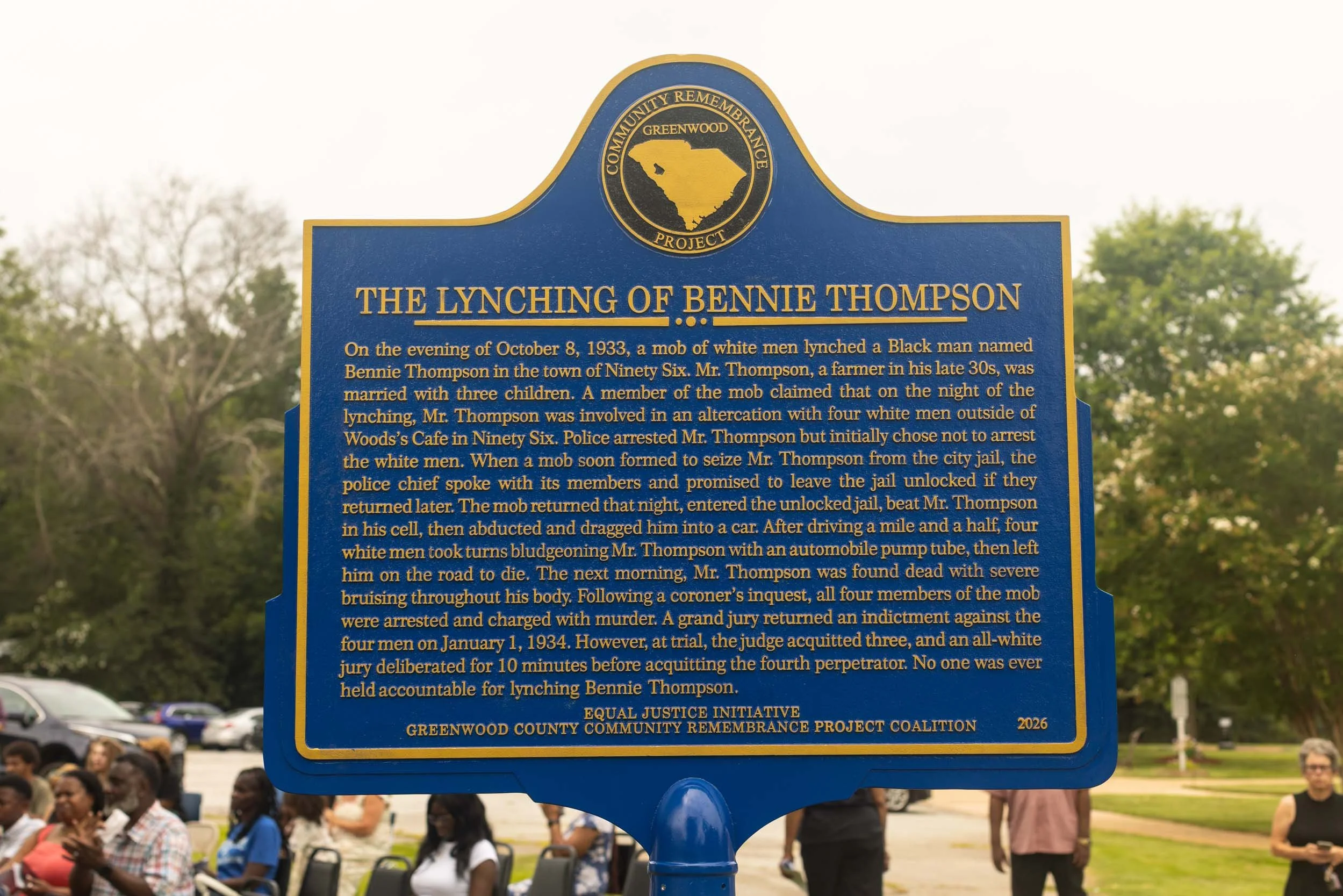
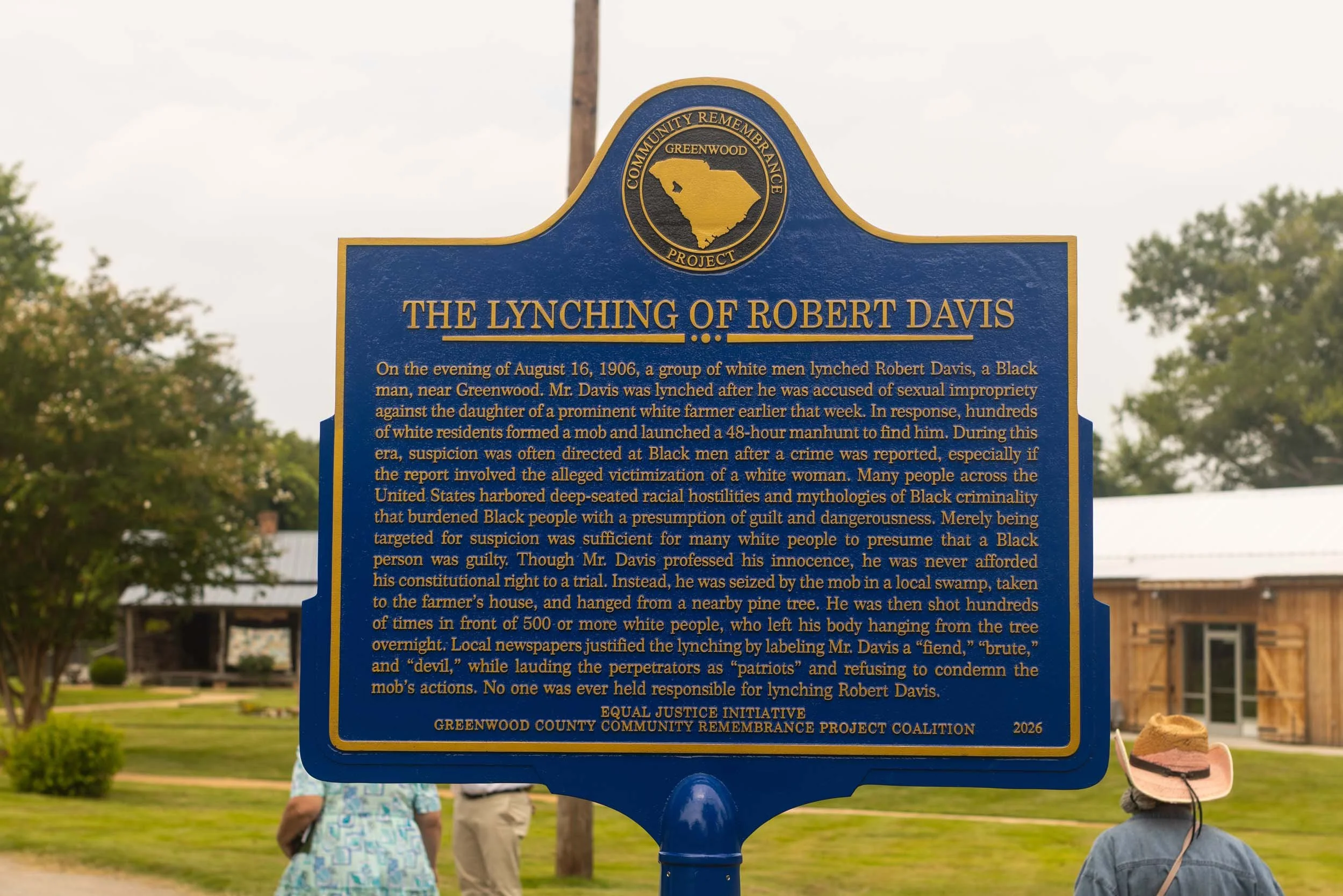
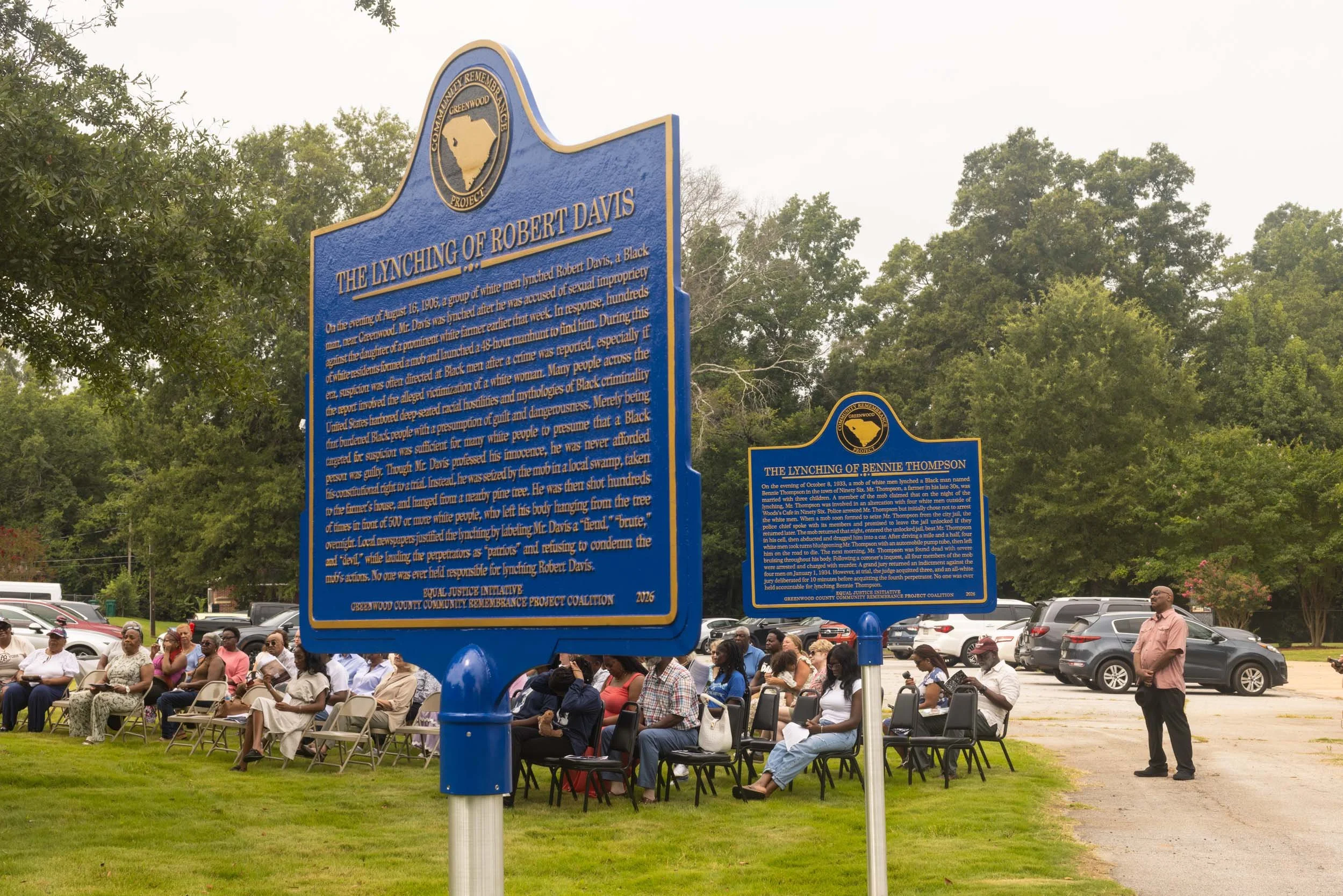
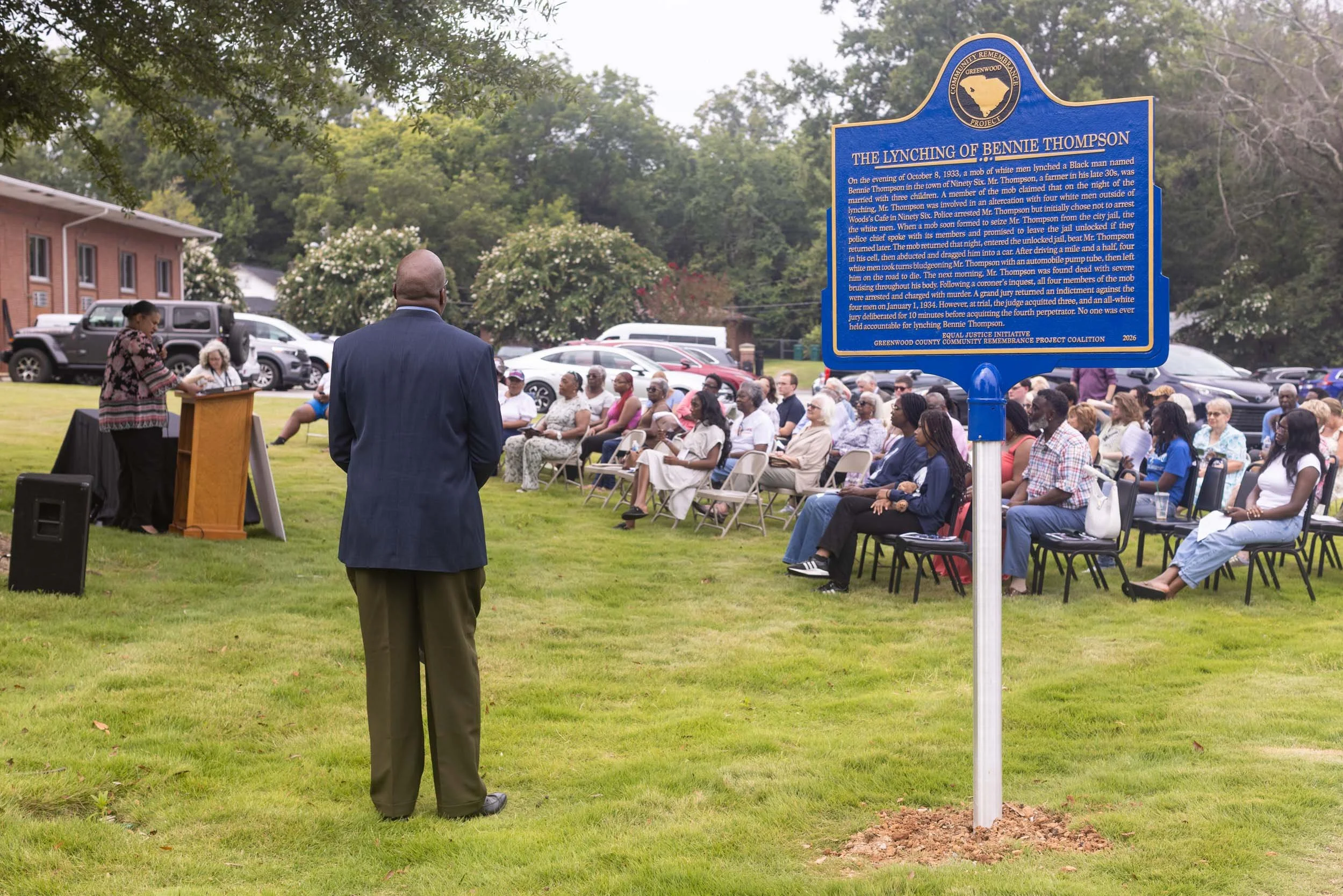
On Saturday morning, I had the privilege of traveling to Greenwood, South Carolina, to attend the unveiling of two Equal Justice Initiative historical markers honoring Robert Davis and Bennie Thompson, two victims of racial terror lynching in Greenwood County.
I went expecting to witness a marker dedication.
I came home with something much more valuable, a reminder that this work is happening across South Carolina, and that we are not doing it alone.
For those of us involved with the Anderson Area Remembrance & Reconciliation Initiative (AAR&RI), it can sometimes feel like we're building something in isolation. We spend countless hours researching local history, meeting with descendants, collecting stories, organizing events, and asking our community to engage honestly with a difficult past. Because so much of that work happens quietly, it's easy to wonder if anyone else is walking a similar path.
Saturday reminded me that they are others doing the great work.
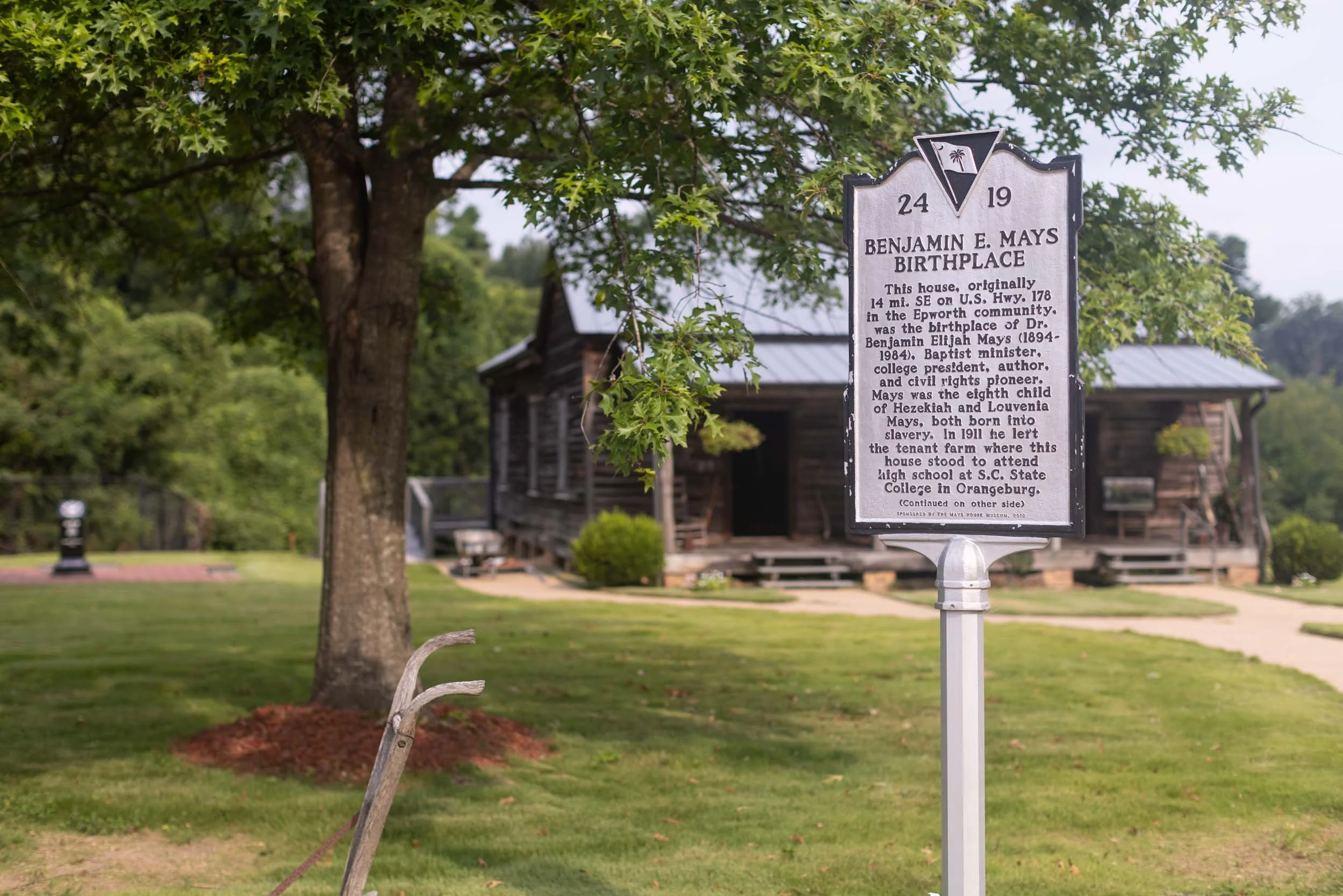
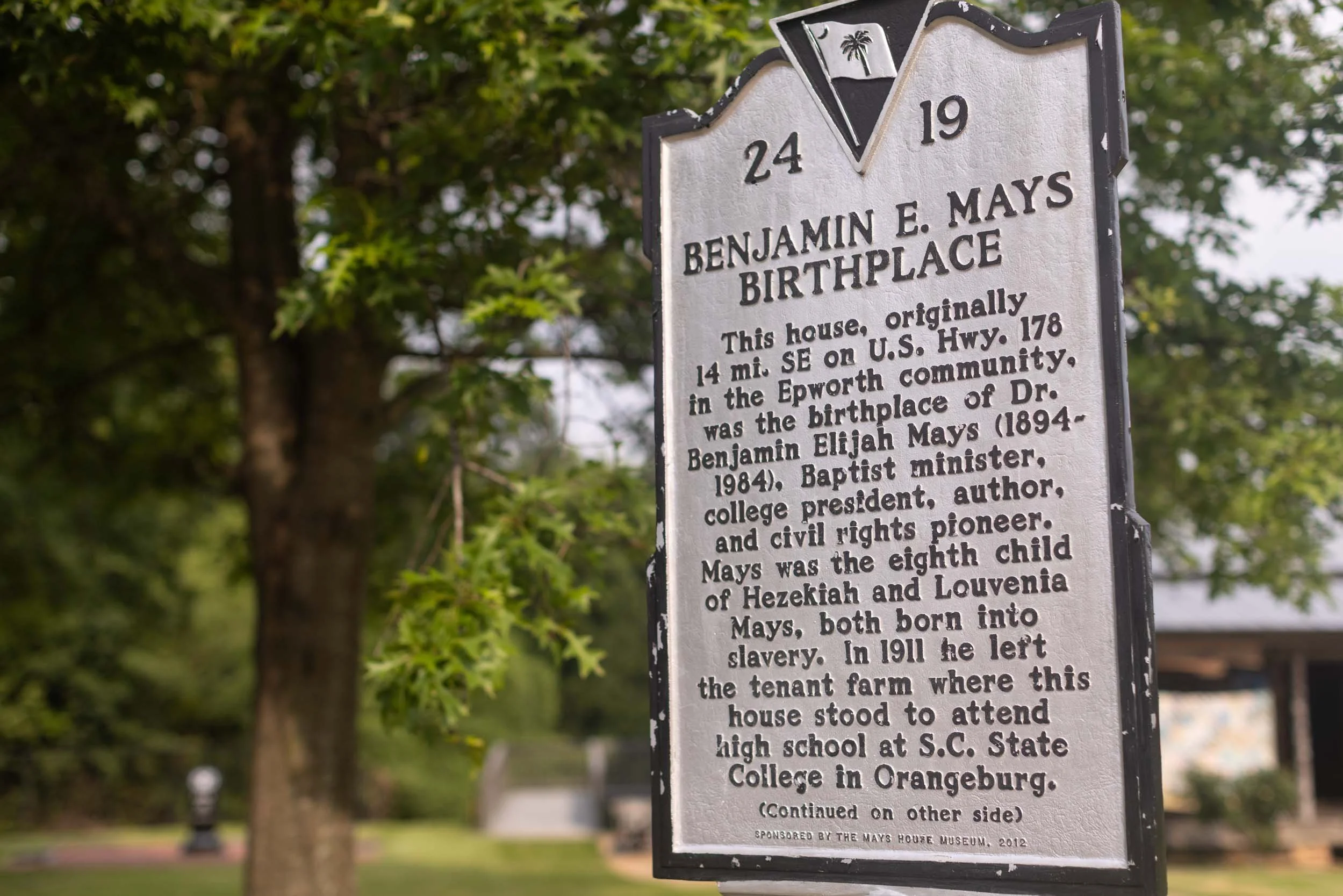
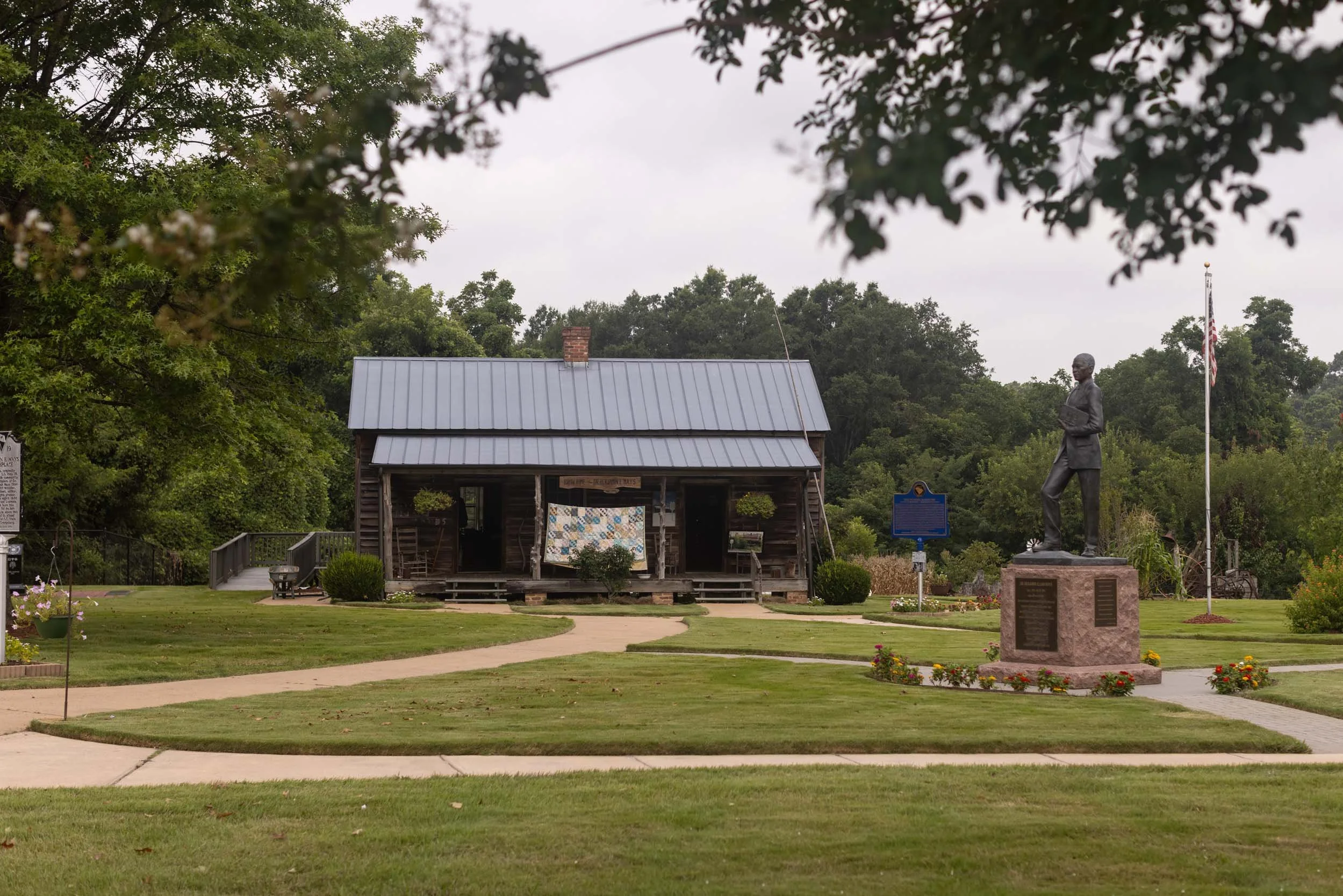
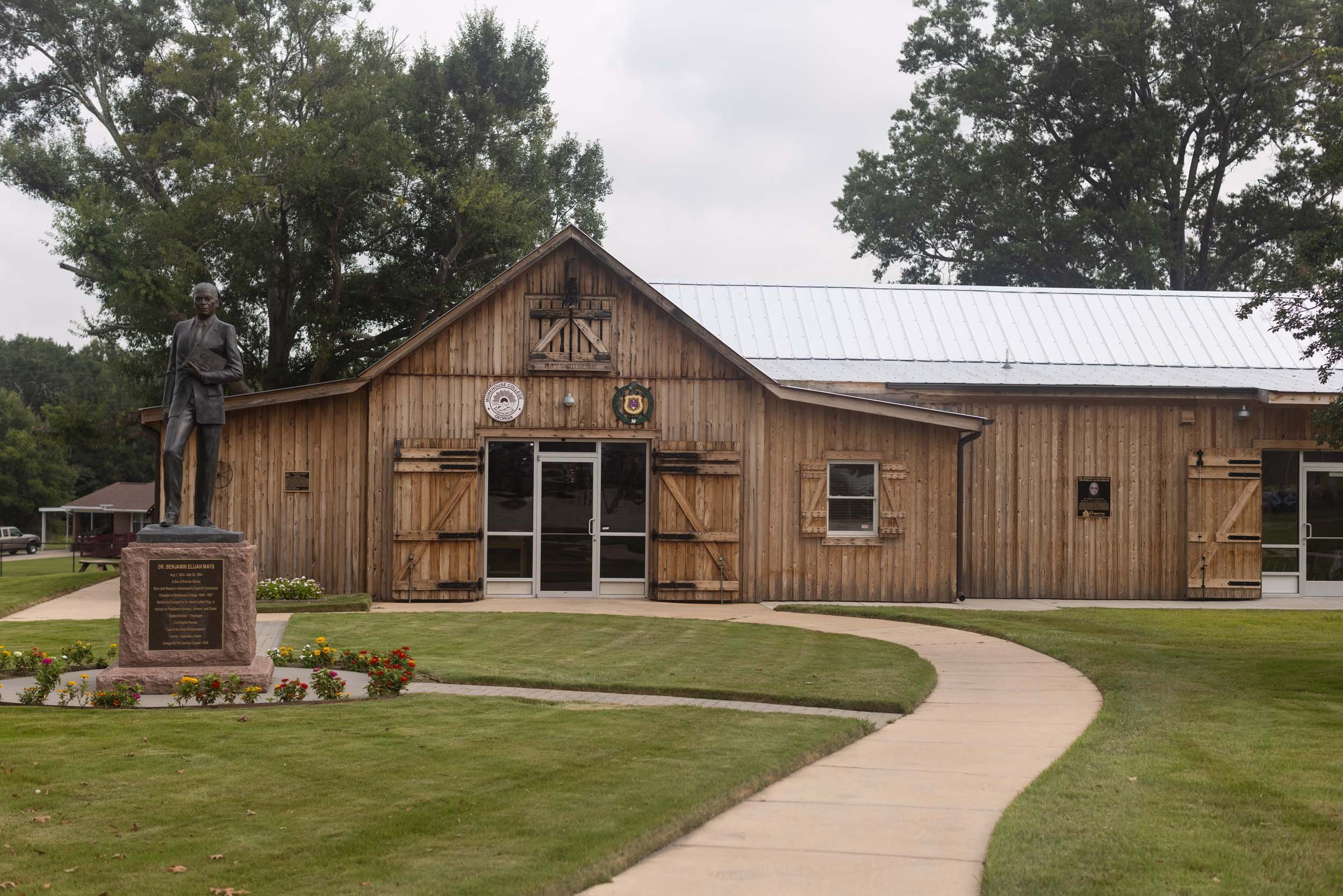
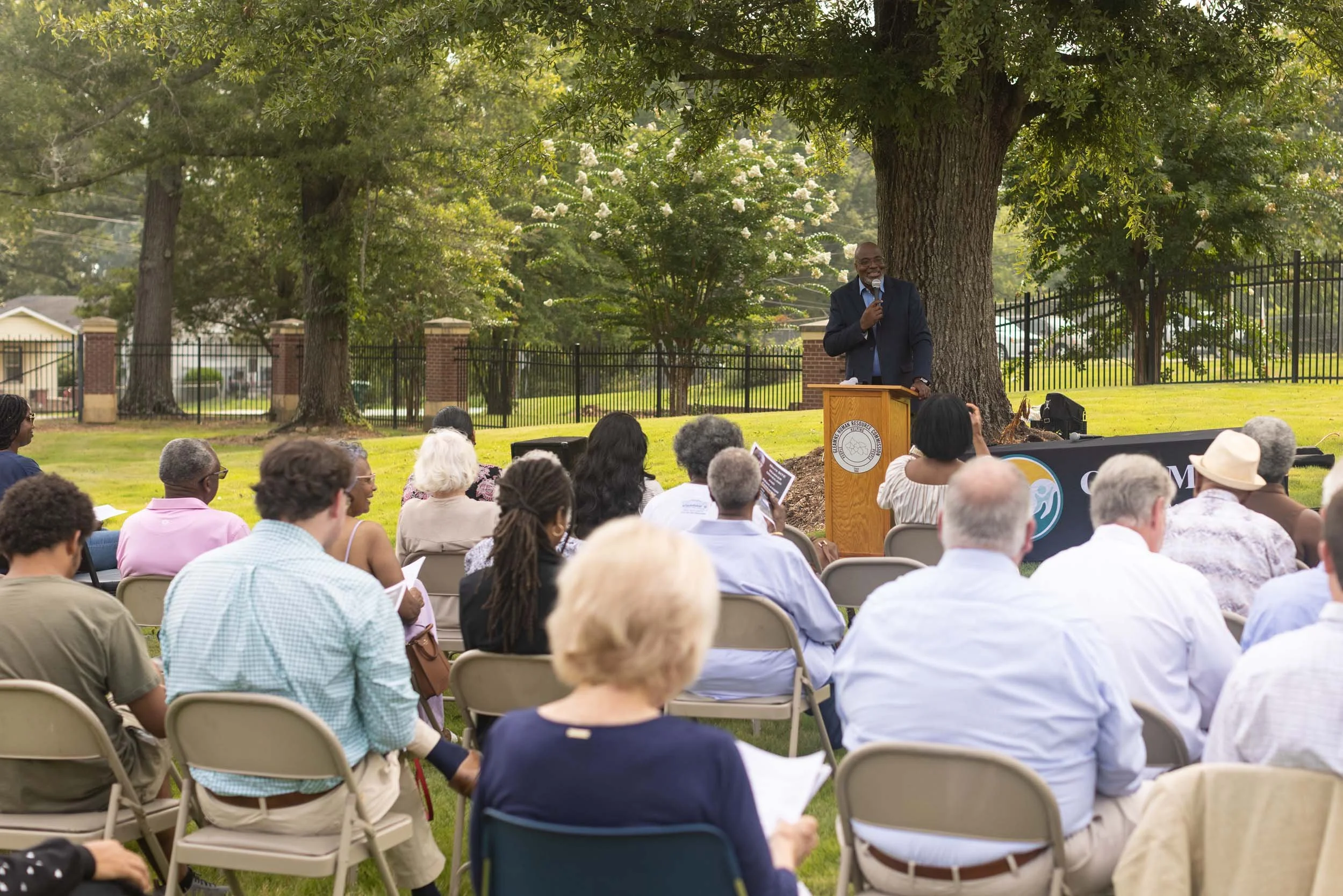
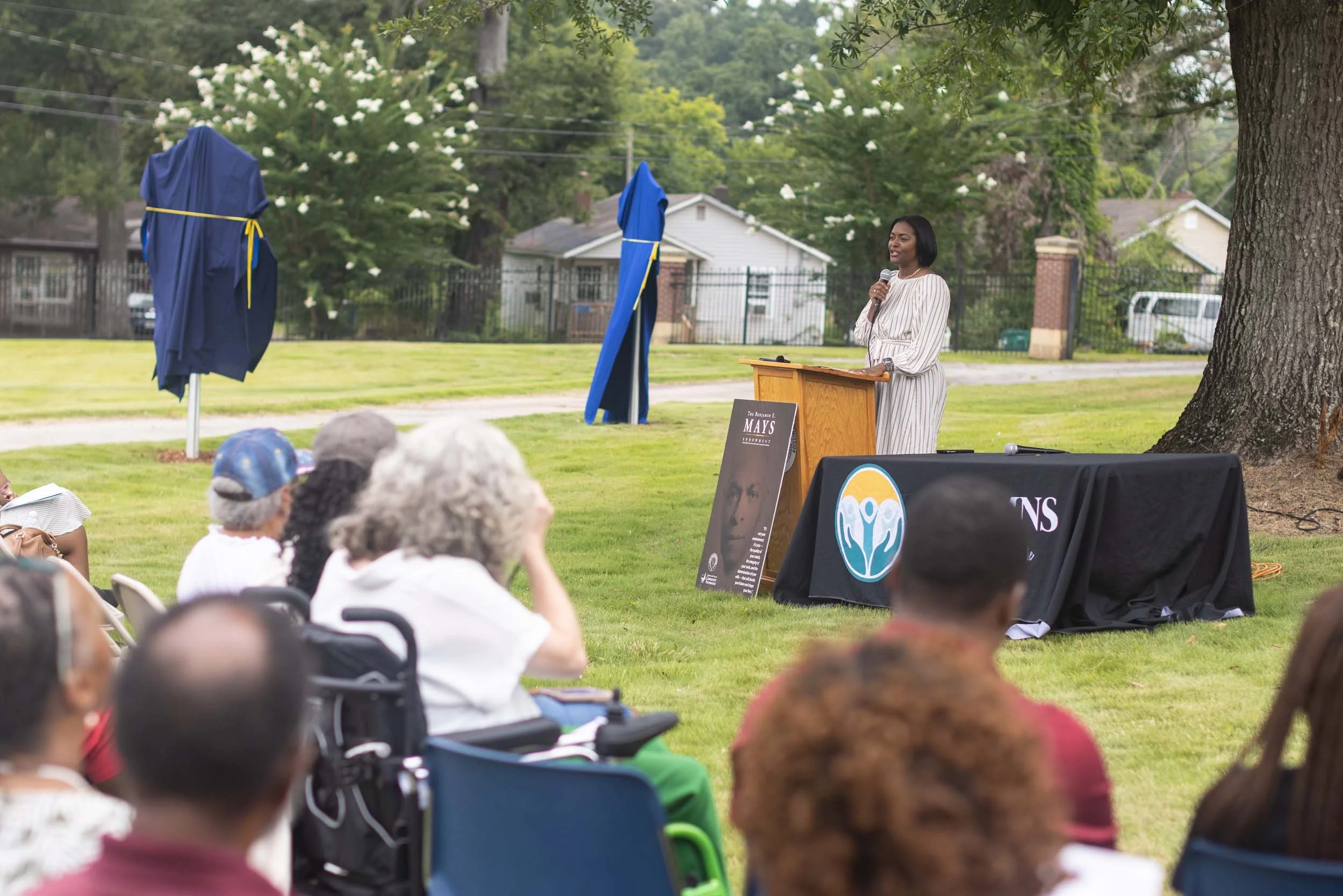
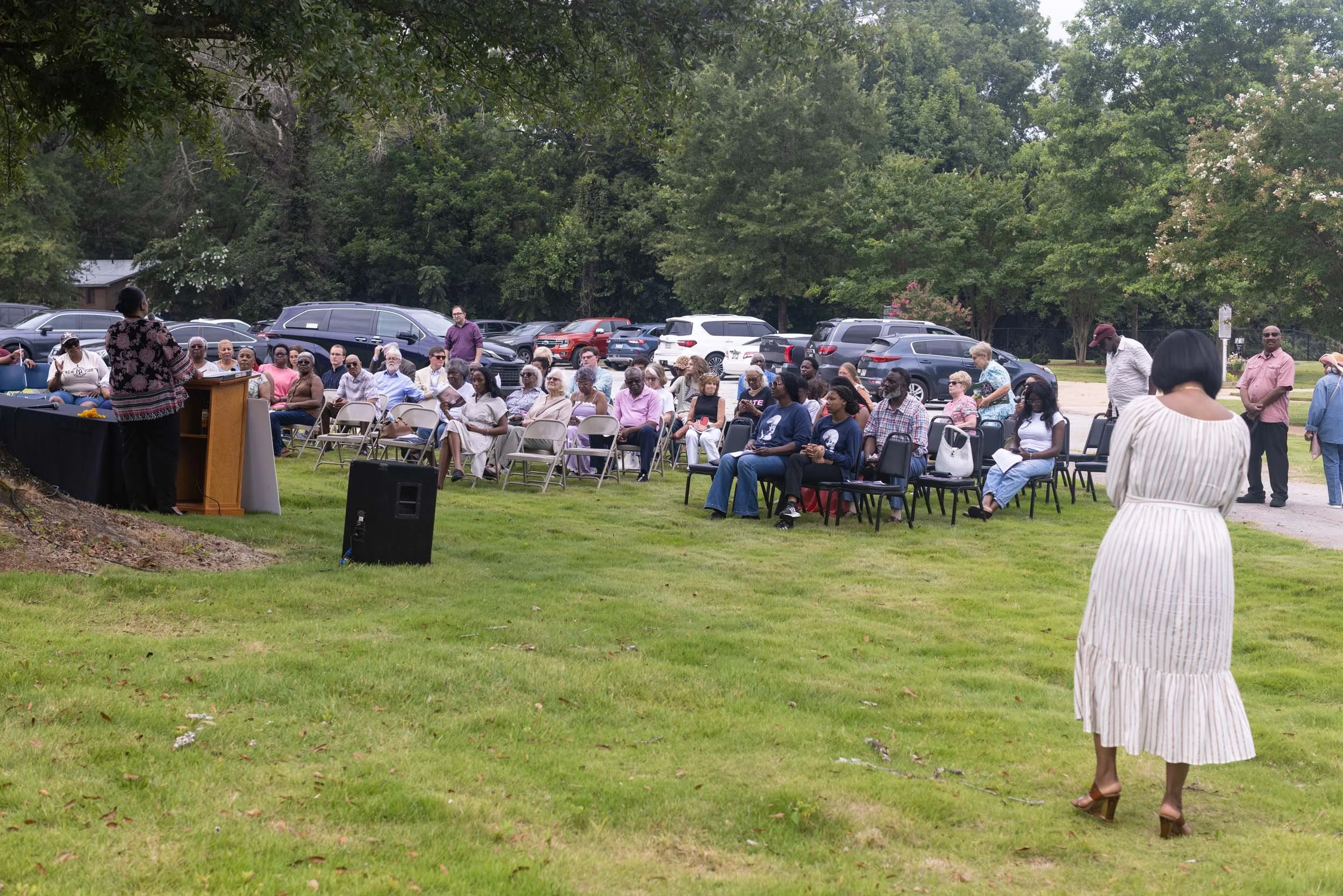
Christopher Thomas, director of the GLEAMNS Dr. Benjamin E. Mays Historical Preservation Site, opened the morning with a simple but powerful reminder: "We feel that this is important work, not just for Greenwood County, but for around the country." Those words set the tone for the entire ceremony. This wasn't simply about Greenwood. It was about joining a larger movement of communities committed to telling the truth about their history and remembering those whose lives were taken through racial terror.
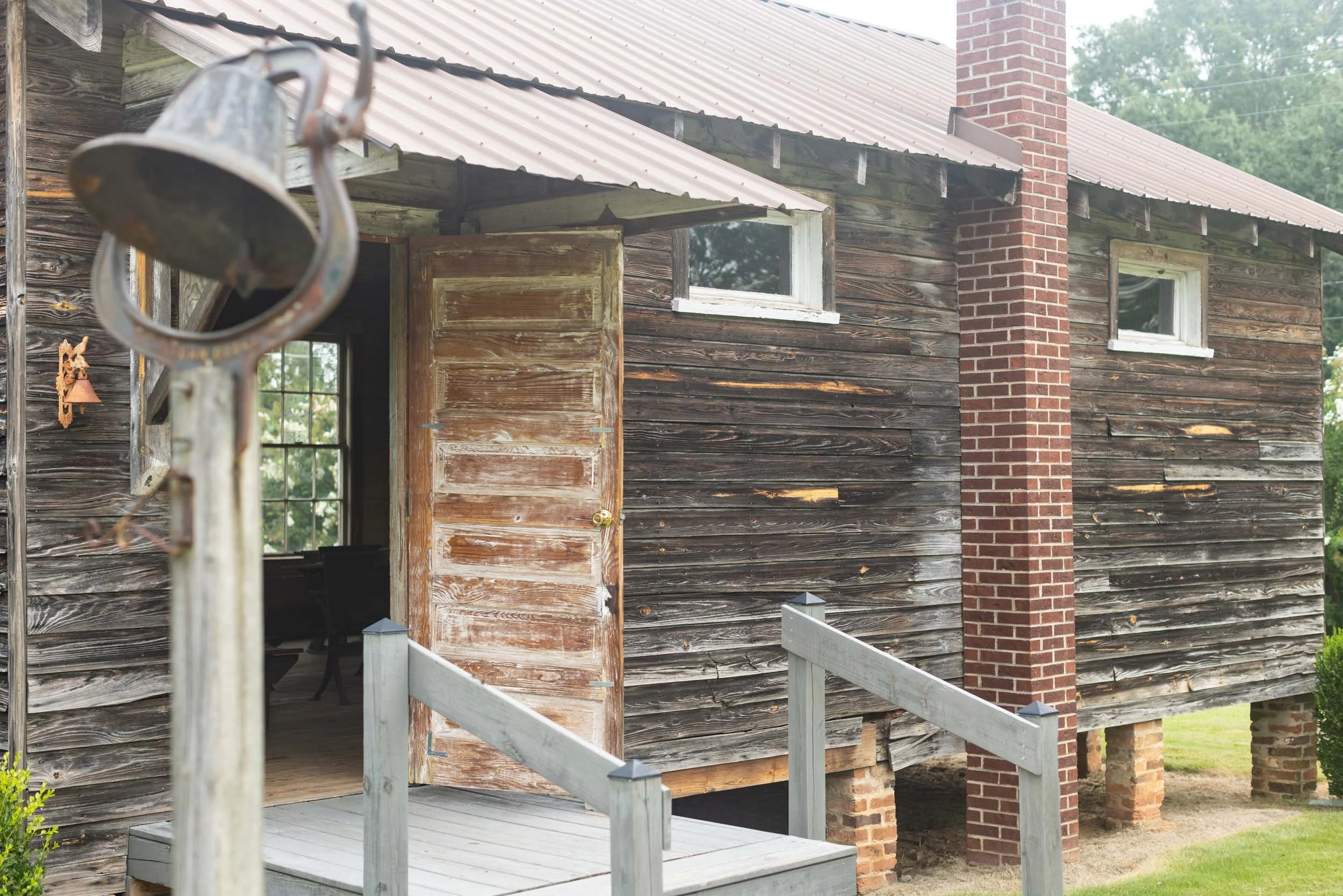
Christopher Thomas and the team at the Benjamin E. Mays Historical Preservation Site have been leading Greenwood County's Community Remembrance Project for years. Their vision extends well beyond a single marker. As Thomas explained, "You are sitting on the space that will eventually become Greenwood's own lynching memorial here on the Mays Site. There will eventually be a concrete walk going around, and all of the markers for all of the lynching victims in the history of Greenwood County will be here chronologically."
Standing there, you could already begin to imagine what that space will become for future generations.
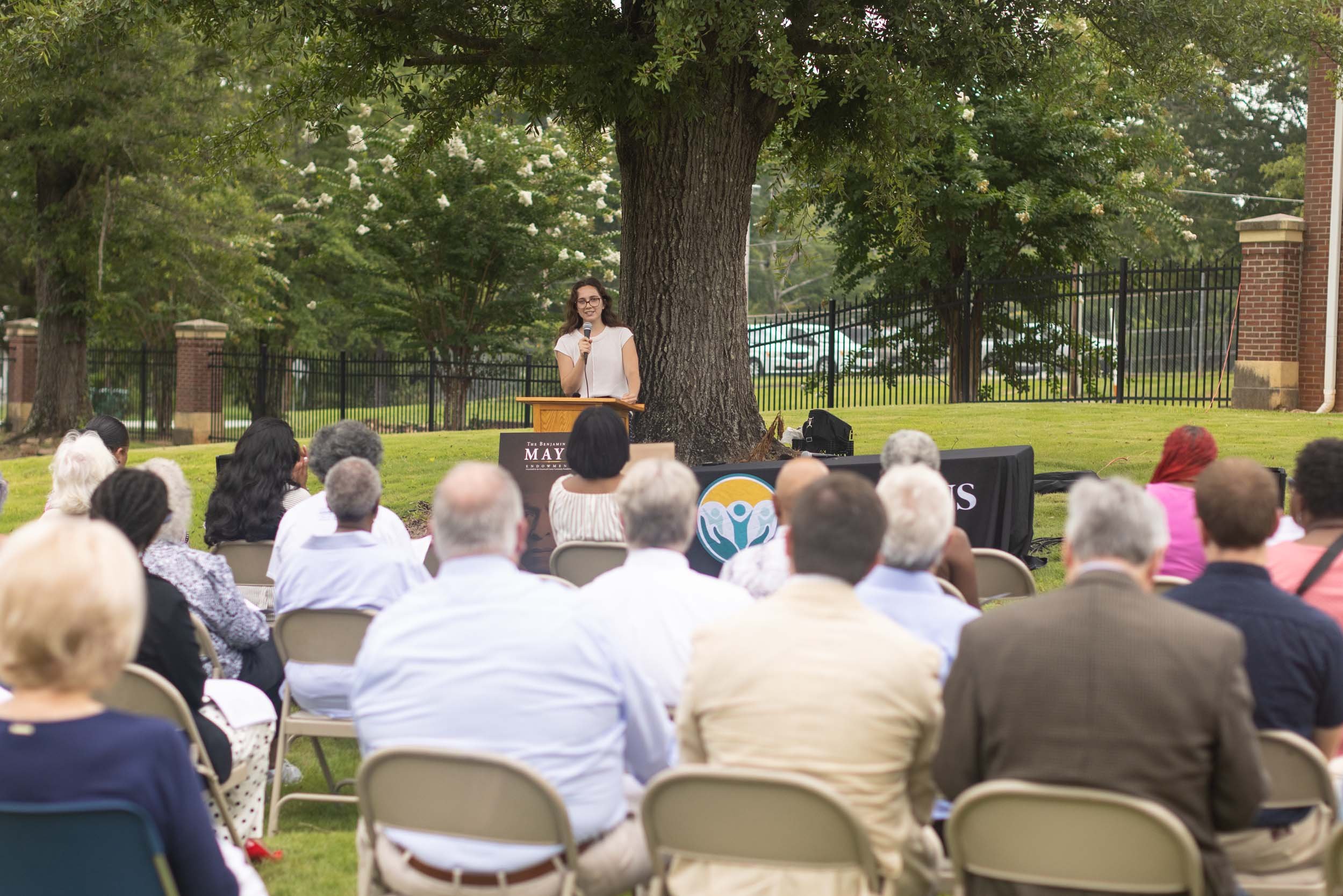
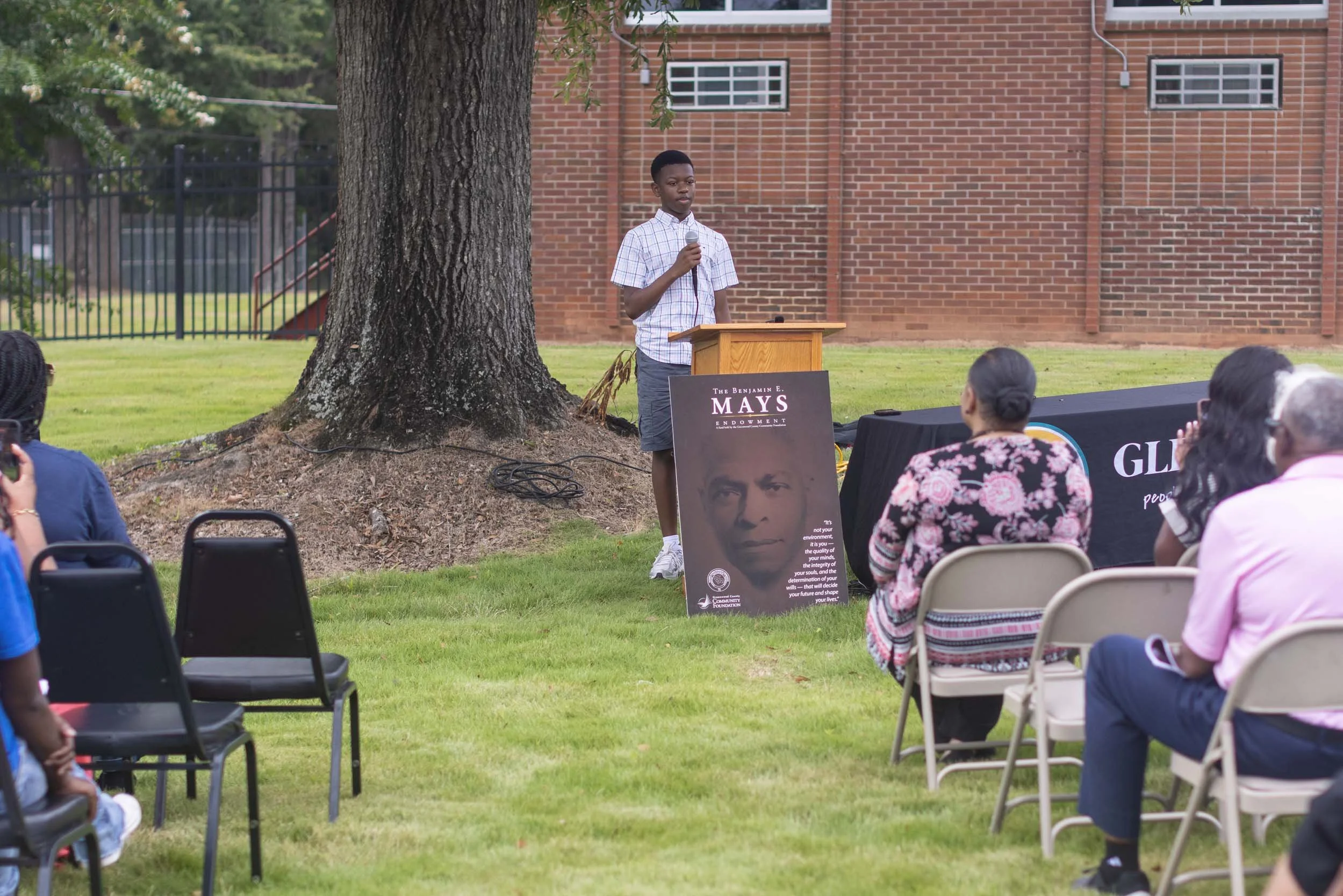
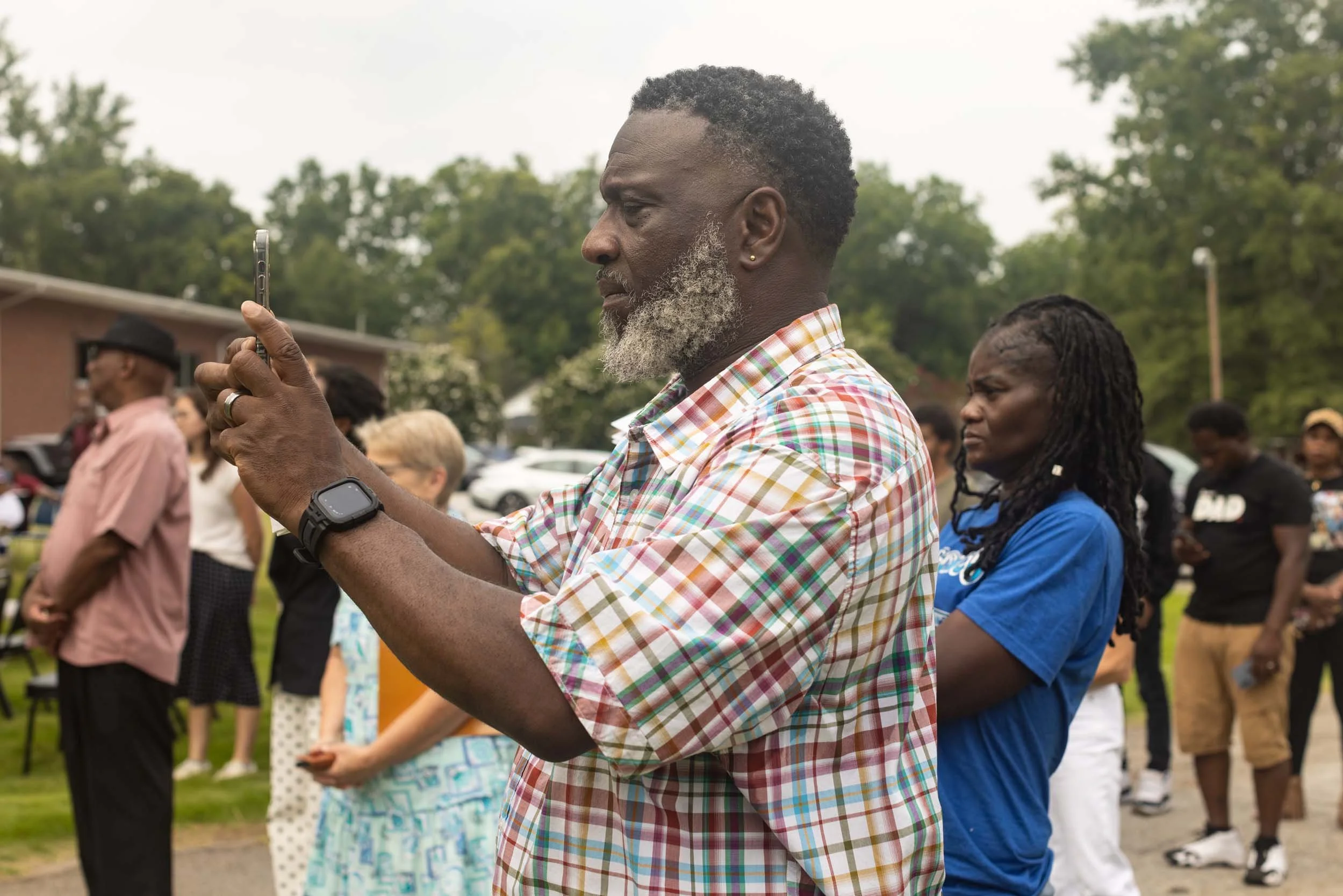
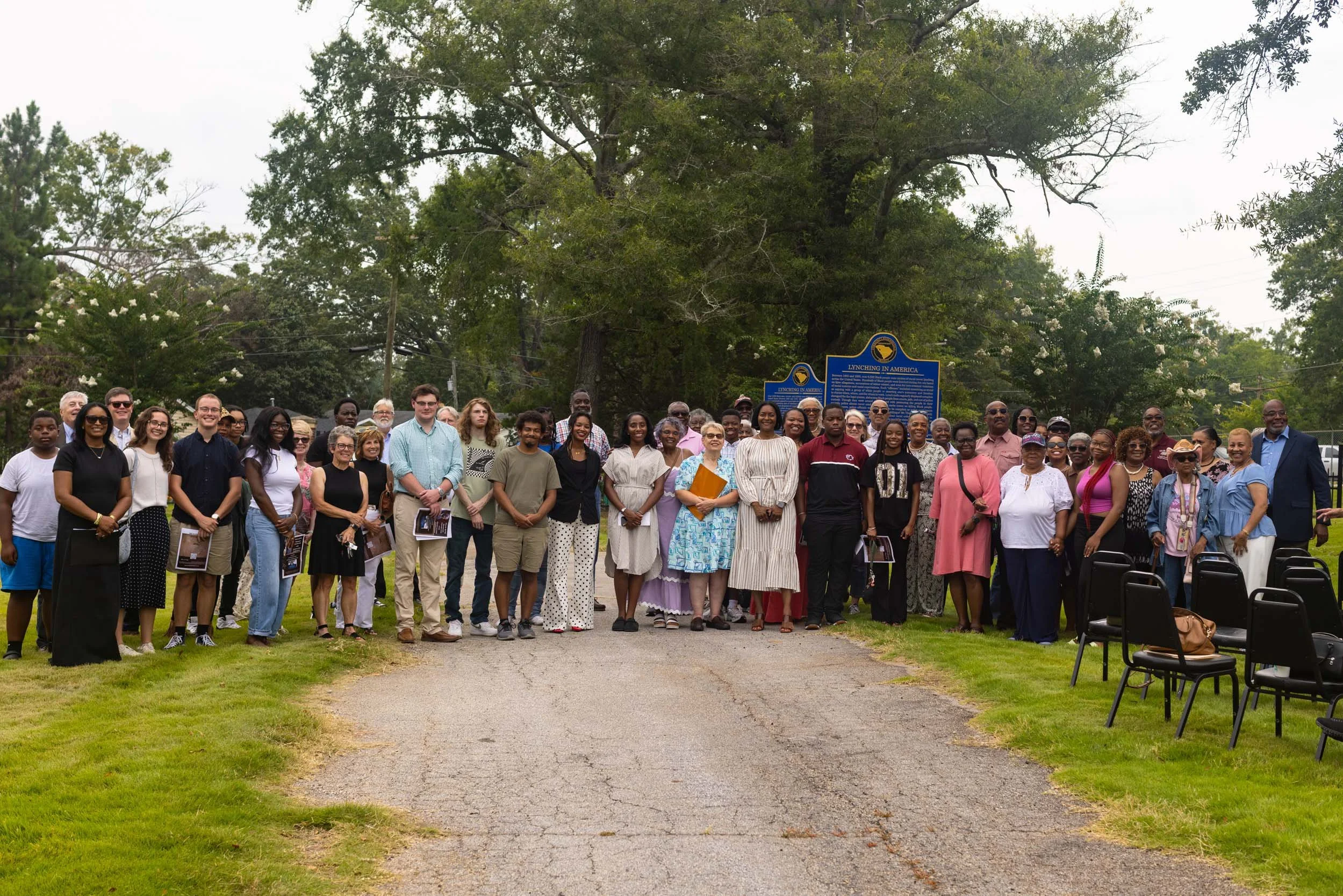
The ceremony itself reflected the strength of an entire community. Elected officials, clergy, students, educators, historians, descendants, and community members gathered together to remember two lives that were denied justice more than a century ago. So many people attended that additional chairs had to be brought out before the program even began.
One of the most encouraging parts of the morning was seeing how deeply education has become woven into Greenwood's work.
Through partnerships with Lander University, the Greenwood Community Foundation, and the Benjamin E. Mays Historical Preservation Site, students are studying Dr. Benjamin E. Mays, participating in paid internships, receiving scholarships, and traveling to Montgomery and Selma to better understand the history of racial injustice in America. During the ceremony, both college students and a seventh-grade student shared reflections about how these experiences have shaped their understanding of history and their responsibility to their communities.
It was inspiring to see young people not simply learning history, but helping preserve it.
The visit also provided an opportunity to reconnect with Jennifer Harrison from the Equal Justice Initiative. Jennifer remembered our Anderson delegation's visit to Montgomery when we delivered our community's jars of soil collected in remembrance of Anderson County's documented lynching victims. It was also encouraging to meet representatives from the Greenville Community Remembrance Project and to learn more about similar efforts underway in Union County.
Those conversations may have been the most important part of the day.
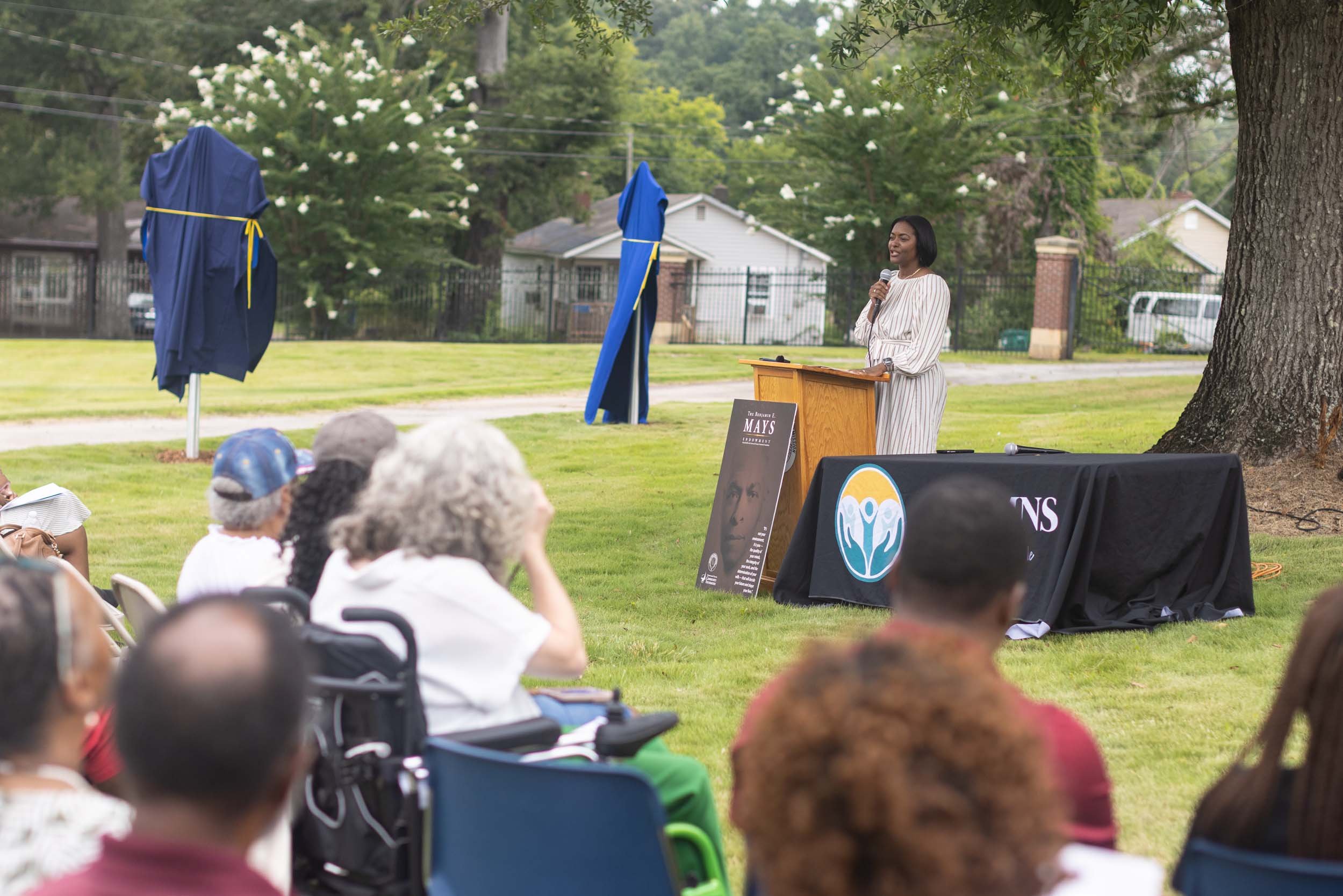
Jennifer reminded everyone that Greenwood's work is part of a much larger national effort. She shared, "You join a growing number of communities across the country that are reckoning with difficult histories. You are embracing the process of truth and justice, truth and reconciliation, truth and repair, which is essential for us to recover from a history of racial injustice."
One of my biggest takeaways was realizing that every community is approaching this work in its own unique way. Greenwood has built partnerships around Dr. Benjamin E. Mays and Lander University. Anderson has developed its own collaborations through historians, educators, community leaders, churches, local government, and organizations committed to remembrance and reconciliation.
The approaches may look different, but the mission is remarkably similar.
Each community is working to tell the truth about its own history while creating opportunities for education, healing, and remembrance.
As I drove home, I found myself thinking less about the markers themselves and more about the relationships that are beginning to form across South Carolina.
What if our Community Remembrance Projects weren't simply individual county efforts?
What if they became a statewide network?
Imagine community leaders from Greenwood attending a remembrance event in Anderson. Imagine our Anderson team visiting Union County to support their work. Imagine students learning from one another, historians sharing research, descendants connecting across county lines, and communities encouraging one another as they navigate difficult conversations.
That kind of collaboration strengthens all of us.
Remembering our history has never been about one county or one organization. The history of racial terror touched communities across South Carolina. Our commitment to remembering, and to building a more honest future, can connect us in the same way.
Jennifer Harrison perhaps summarized the significance of the morning better than anyone when she said, "These markers change the landscape here, but more importantly, they change the identity of this community."
Those words stayed with me throughout the drive back to Anderson. The markers themselves are important, but the relationships, conversations, and commitment they inspire may ultimately become their greatest legacy.
As we continue our work in Anderson, I hope we also continue building relationships with communities like Greenwood, Greenville, Union, and others across South Carolina. Each community has its own stories to tell, its own history to remember, and its own path toward reconciliation. By learning from one another, encouraging one another, and showing up for one another, we strengthen this shared work of remembrance for generations to come.
Saturday's ceremony reminded me that this movement is growing.
It also reminded me of something I needed to hear.
We are not walking this journey alone.
Editor's Note: The Anderson Area Remembrance & Reconciliation Initiative extends its gratitude to Christopher Thomas, the GLEAMNS Dr. Benjamin E. Mays Historical Preservation Site, the Greenwood County Community Remembrance Project Coalition, and the Equal Justice Initiative for their hospitality and for allowing us to learn alongside them during this meaningful day of remembrance.