
Soil Collection
Returning to the Places.
Remembering Their Names.
Beginning the Journey.
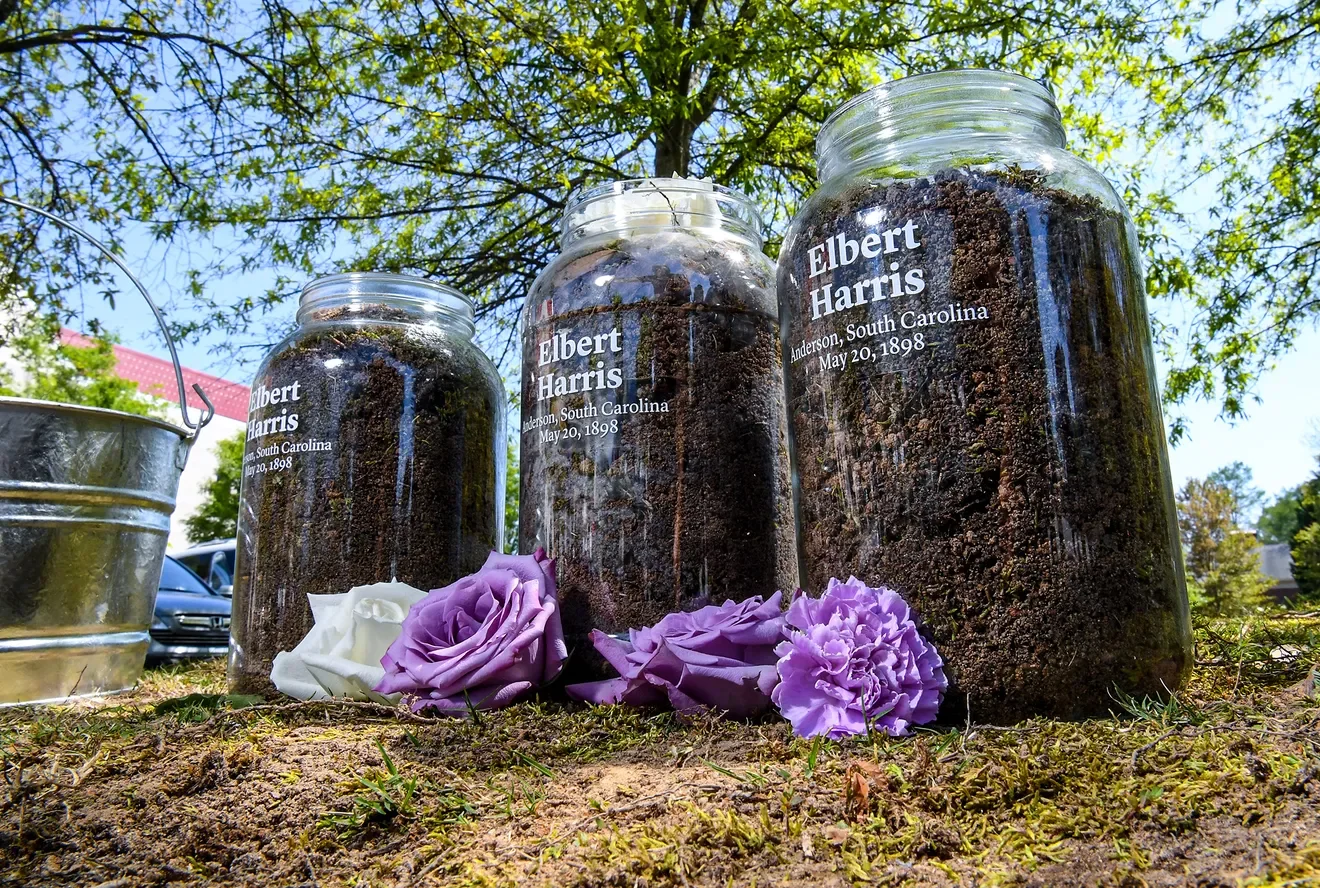
Through the Equal Justice Initiative’s Community Remembrance Project, AAR&RI began its journey of remembrance by gathering soil from locations connected to the five documented victims of racial terror lynching in Anderson County. Each collection brought the community together to honor Edward Sullivan, Elbert Harris, John Laddison, Reuben Elrod, and Willis Jackson — transforming soil into a witness of history and a commitment toward reconciliation and Beloved Community.
Overview
The journey toward remembrance began with soil.
Before the sculpture, before the historical marker, before the museum exhibit, the community gathered.
The Anderson Area Remembrance & Reconciliation Initiative began its work through the Equal Justice Initiative’s Community Remembrance Project by collecting soil from locations connected to the five documented racial terror lynchings in Anderson County.
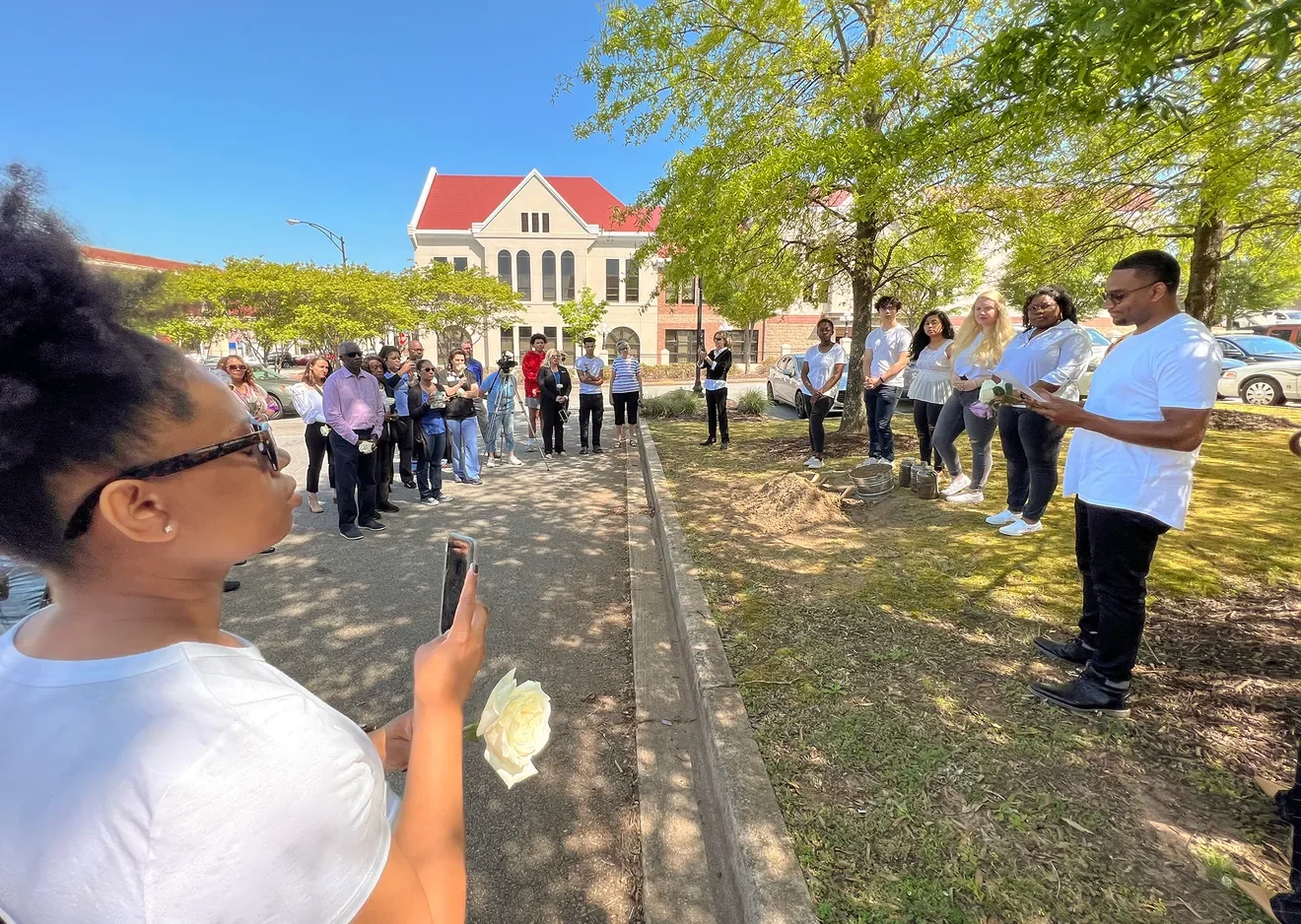
These gatherings brought together community members, faith leaders, the City of Anderson, Welfare Baptist Church, Anderson University faculty, staff, and students to remember lives taken and histories left untold.
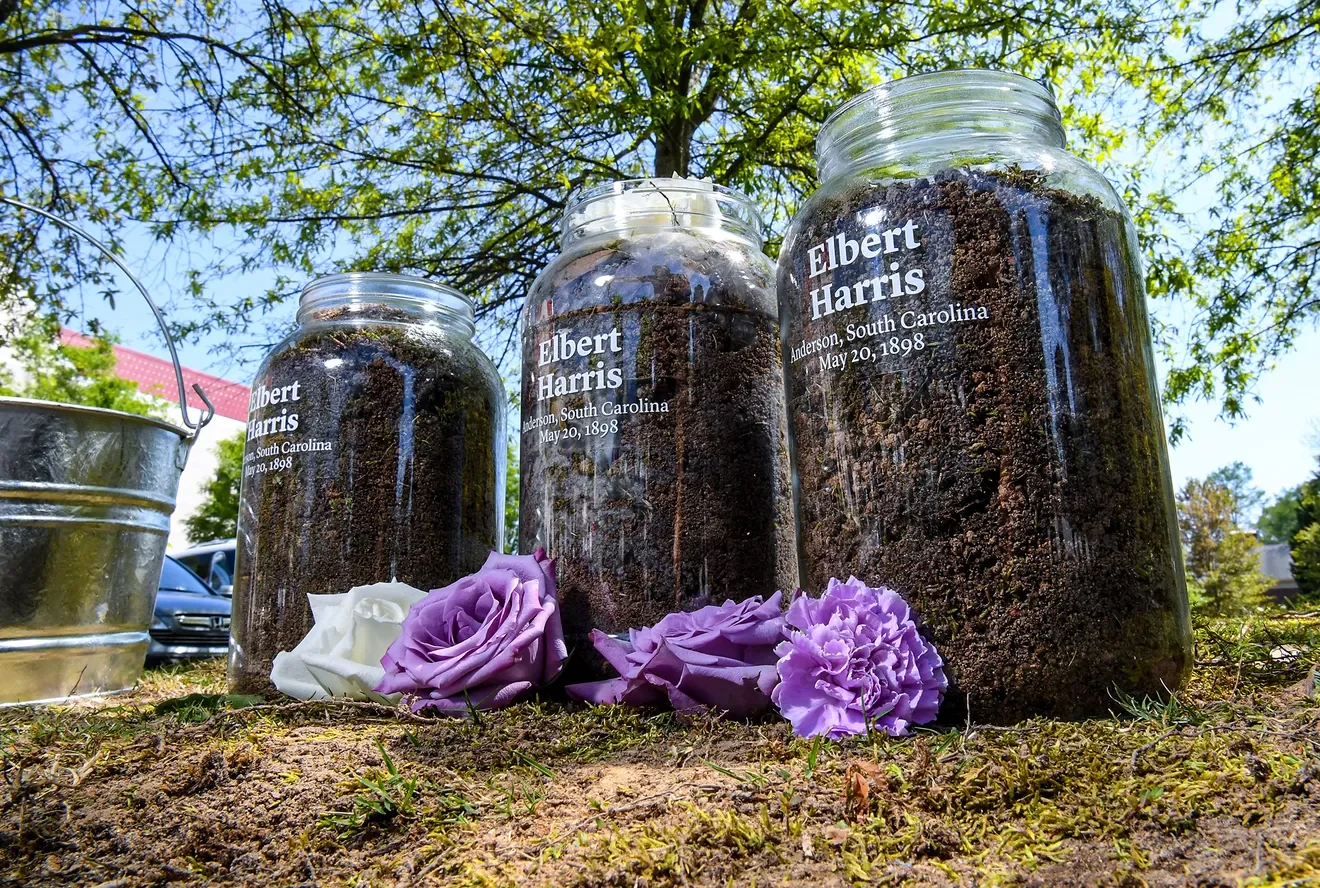
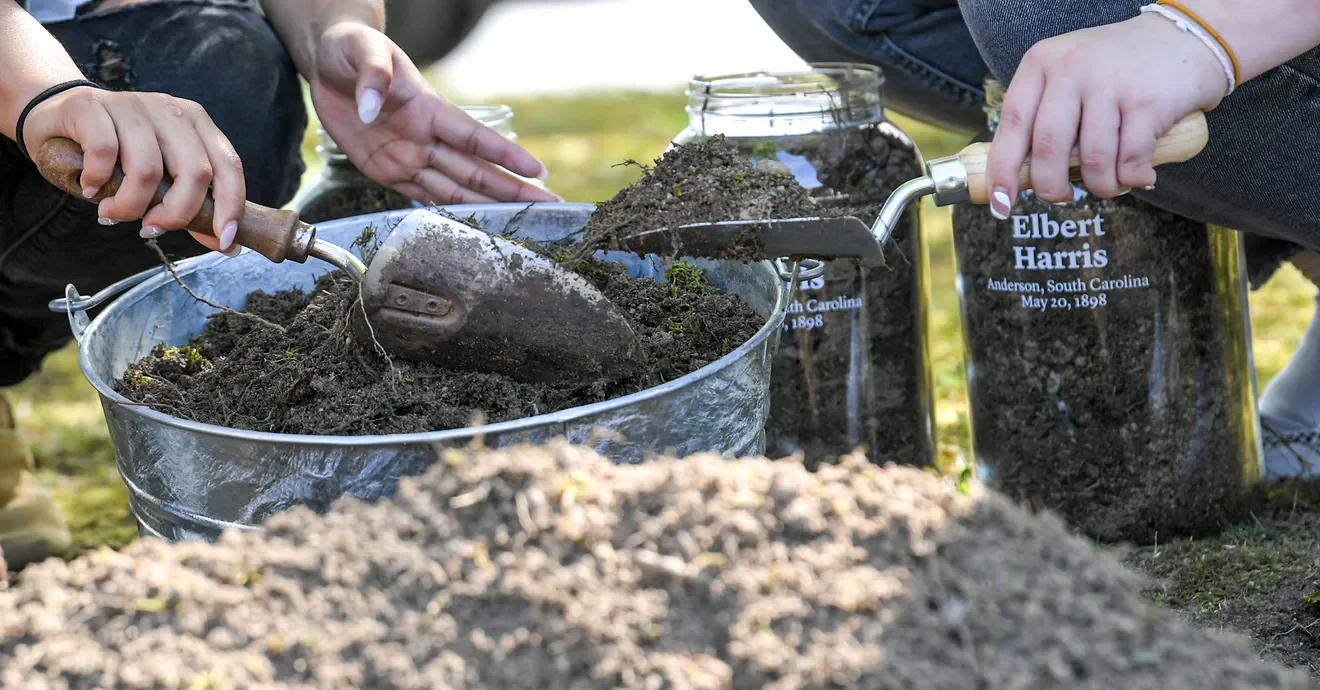
Each jar of soil represents a name, a place, and a story. Through reflection, prayer, storytelling, and remembrance, the community created space to acknowledge the truth of the past while beginning the ongoing journey toward reconciliation and Dr. Martin Luther King Jr.’s vision of the Beloved Community.
The collected soil became the foundation for AAR&RI’s continuing work — carried forward through public art, museum exhibits, education, documentary storytelling, and community conversations.
The Journey of the Soil
From sacred places of remembrance to symbols of reconciliation.
Each jar of soil carries a story. Follow the journey from the places where these lives were taken, to the community gatherings where their names were remembered, and to the spaces where these stories continue to inspire reflection, education, and Beloved Community.
-
Returning to the places where history happened.
Before the sculpture was created, before the marker was installed, and before exhibits were built, the community gathered around the soil.
The soil collection process marked the beginning of AAR&RI’s partnership with the Equal Justice Initiative’s Community Remembrance Project. Community members visited locations connected to Edward Sullivan, Elbert Harris, John Laddison, Reuben Elrod, and Willis Jackson to acknowledge their stories and remember their names.
This simple act of gathering soil became a powerful symbol — recognizing that these places hold history and that remembrance is the first step toward reconciliation.
-
Remembering their names. Sharing their stories.
The soil collections represented a collective commitment across Anderson County.
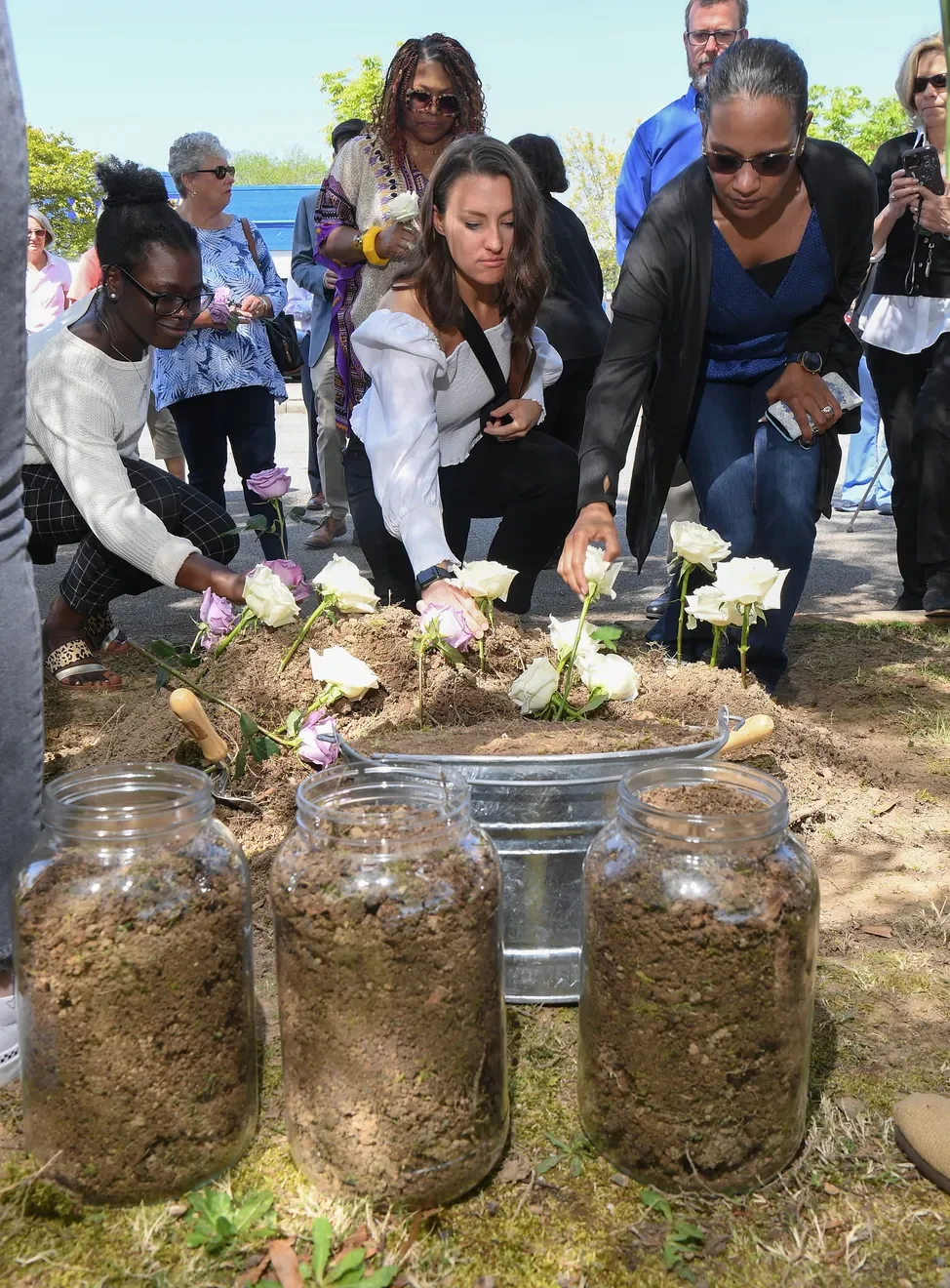
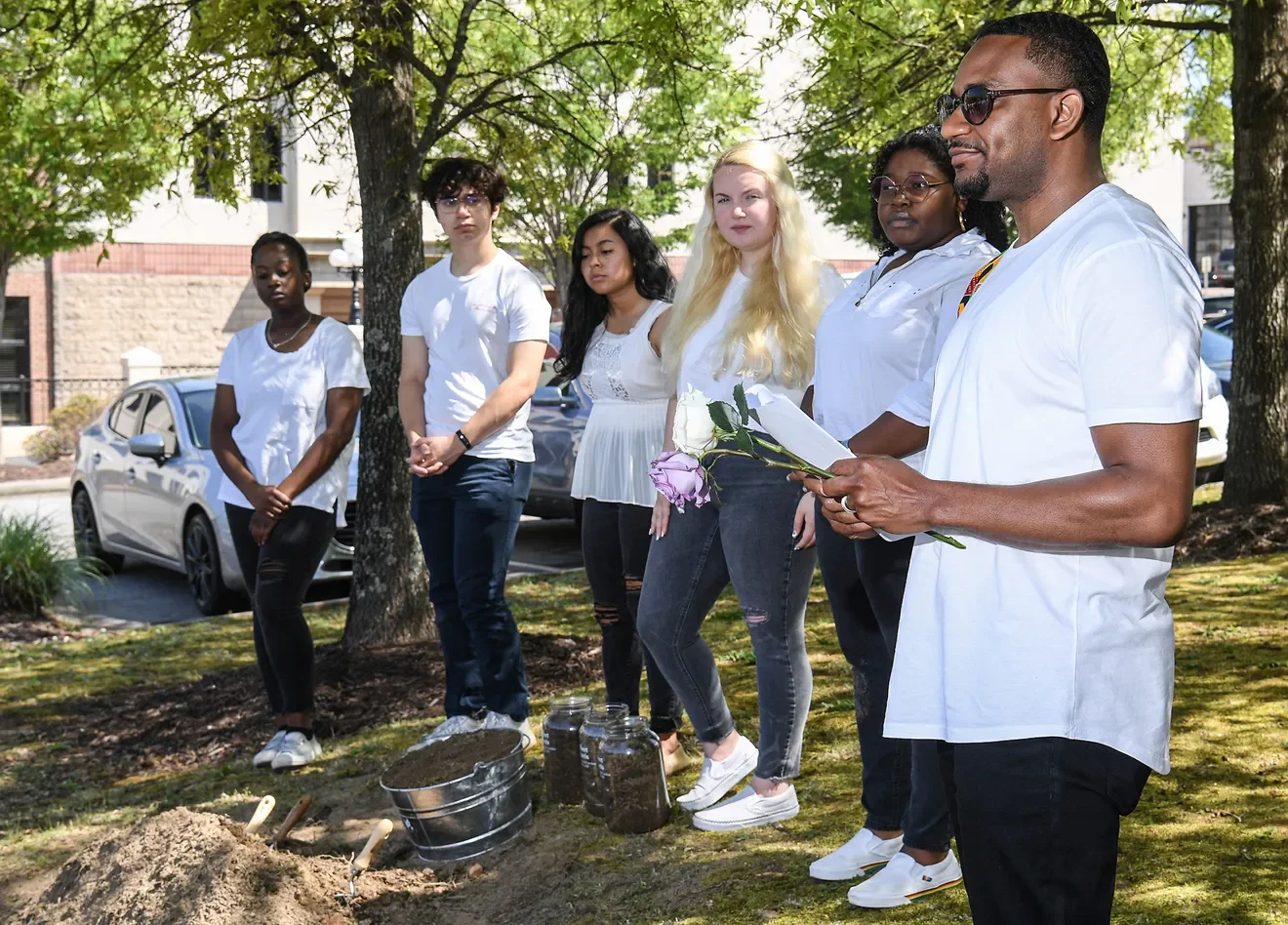
Members of AAR&RI, the City of Anderson, Welfare Baptist Church, Anderson University, and many community partners gathered together in moments of reflection, storytelling, and remembrance.
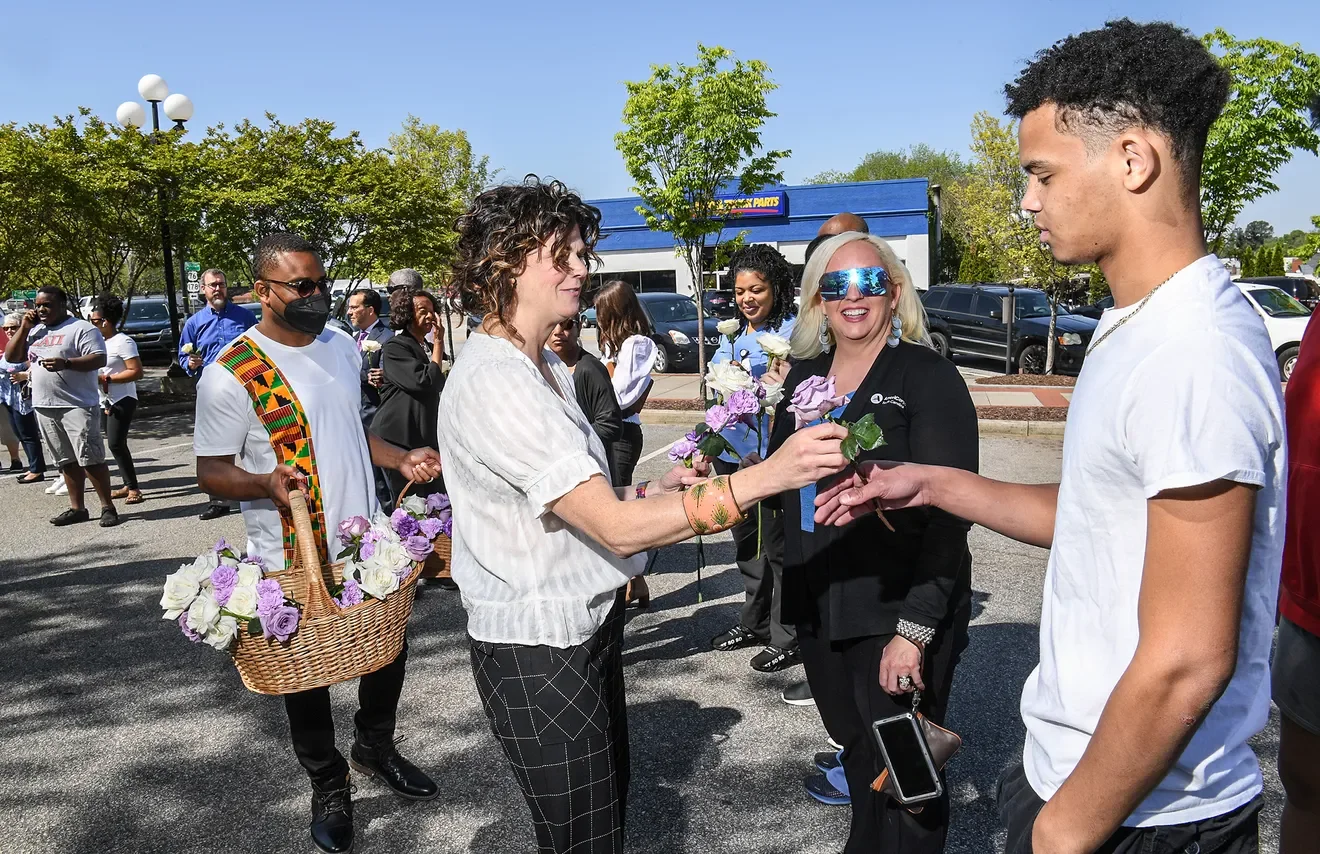
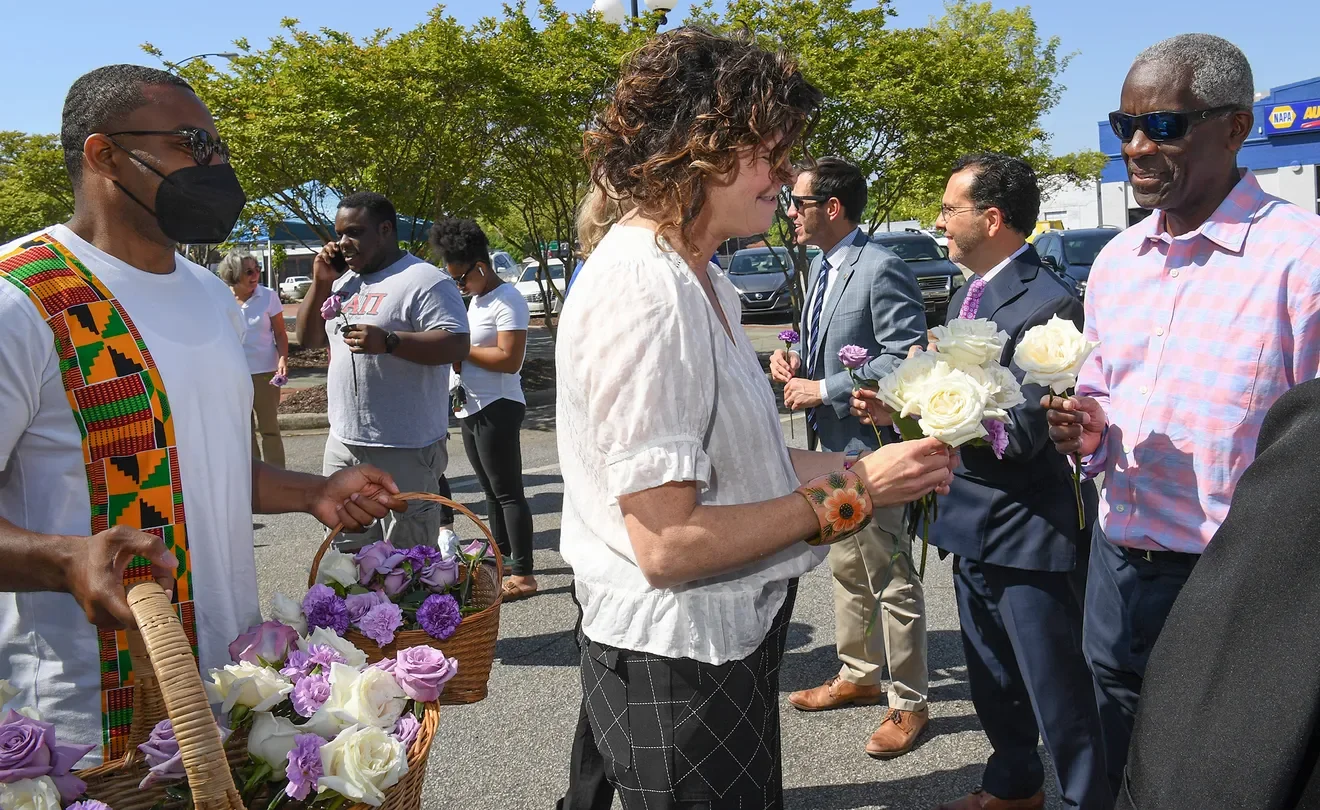
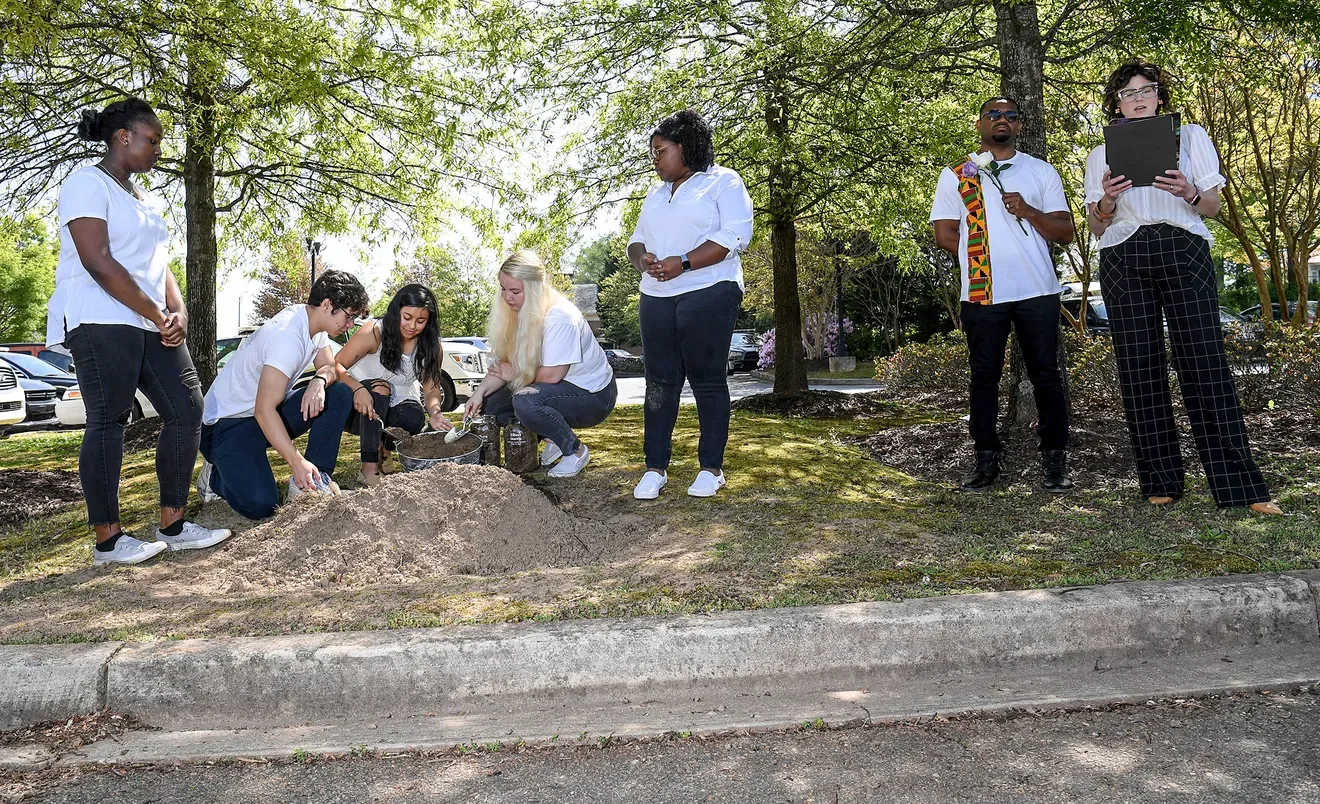
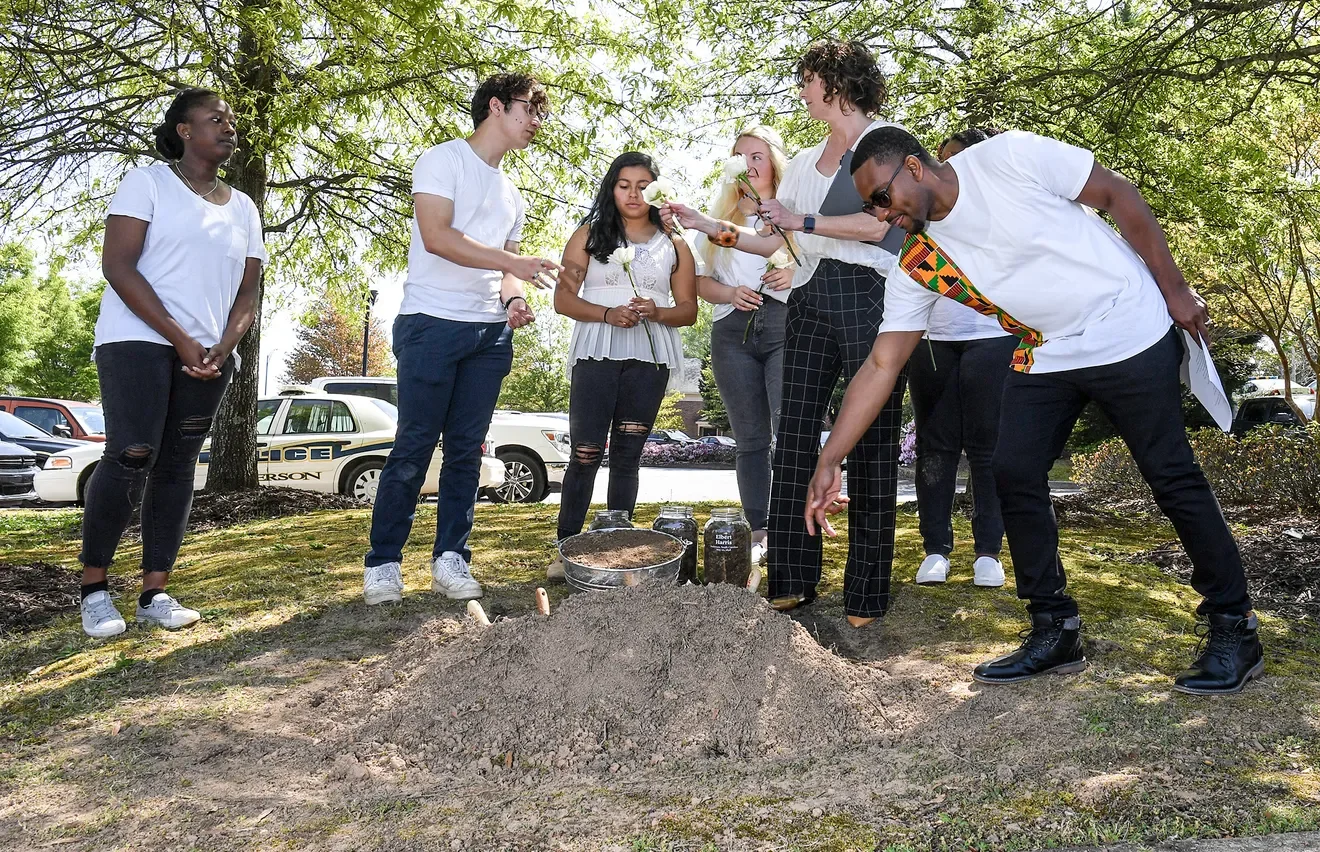
Flowers were placed. Soil was collected. Names were spoken.
Through these gatherings, the community created spaces for truth telling, healing, and the continued pursuit of Dr. Martin Luther King Jr.’s vision of the Beloved Community.
-
A new generation carrying the story forward.
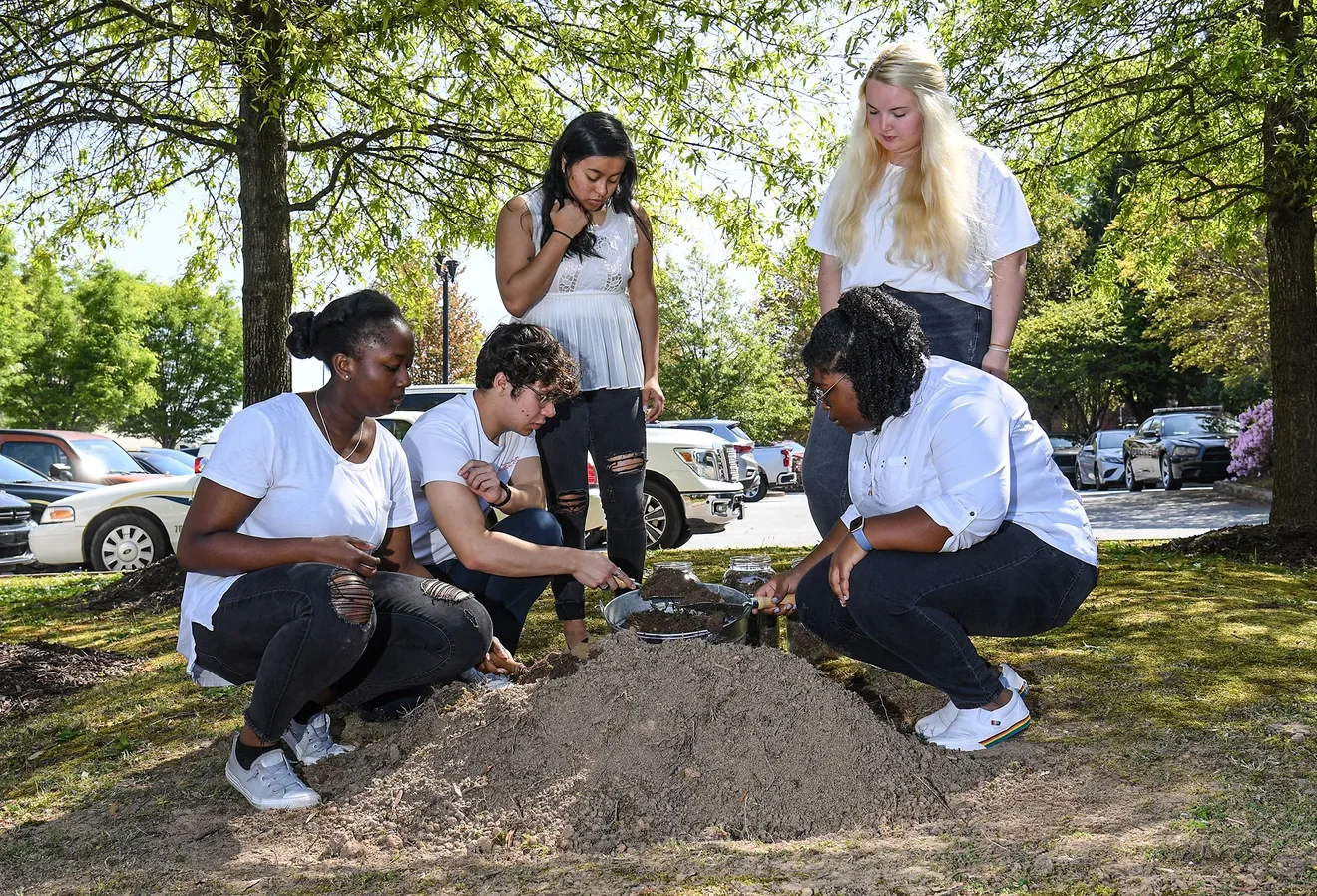
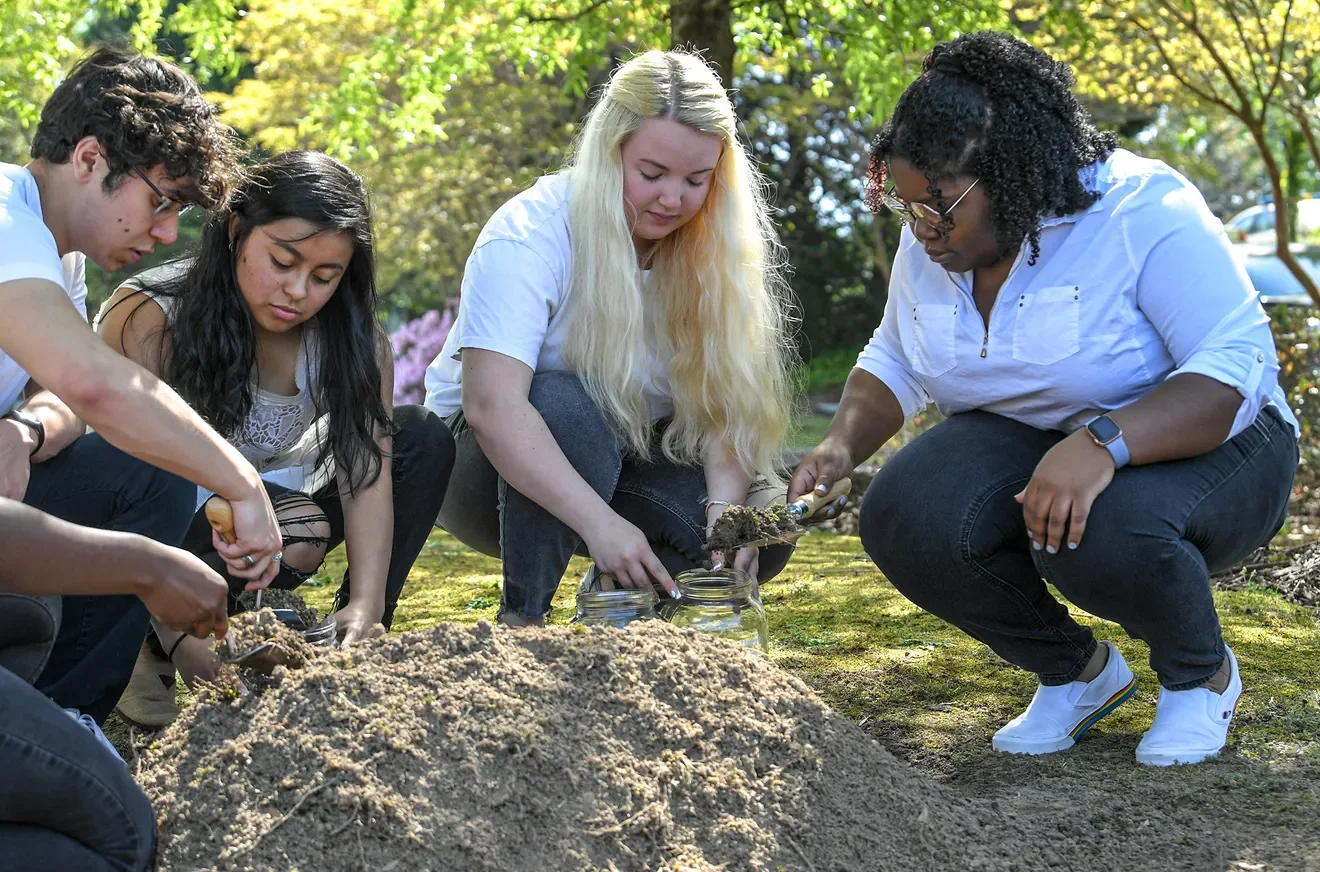
Students from Anderson University participated in the soil collection process as part of a larger commitment to research, storytelling, and community engagement.
Through this experience, students encountered history beyond the classroom — through people, places, and the responsibility of preserving stories that had gone untold.
Their participation helped connect generations together in the ongoing work of remembrance and reconciliation.
-
From remembrance to lasting legacy.
The soil collected from these locations continues to tell the story of Anderson County’s journey toward reconciliation.
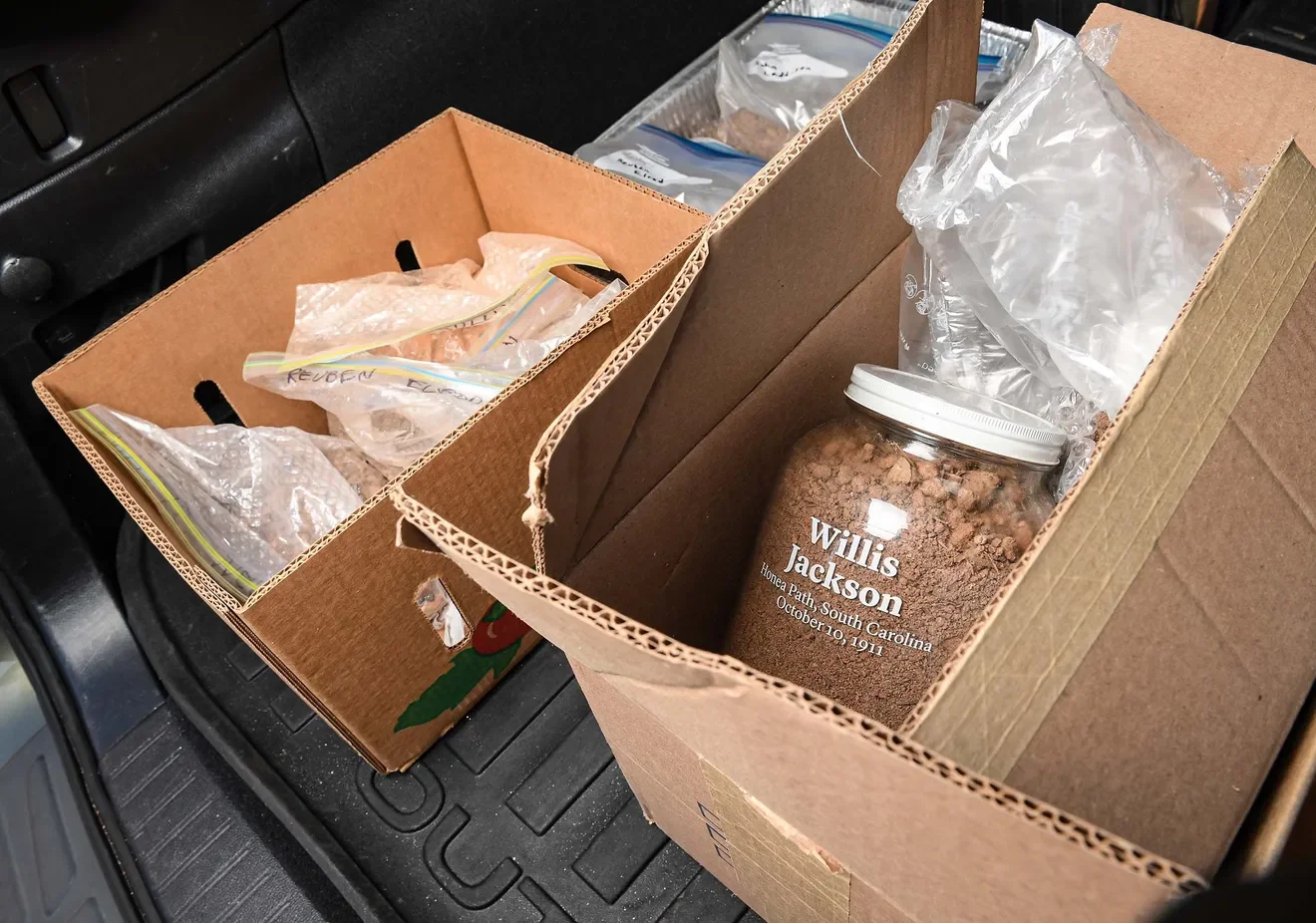
Multiple sets of soil jars were created so these stories could continue reaching new audiences:
The Sculpture
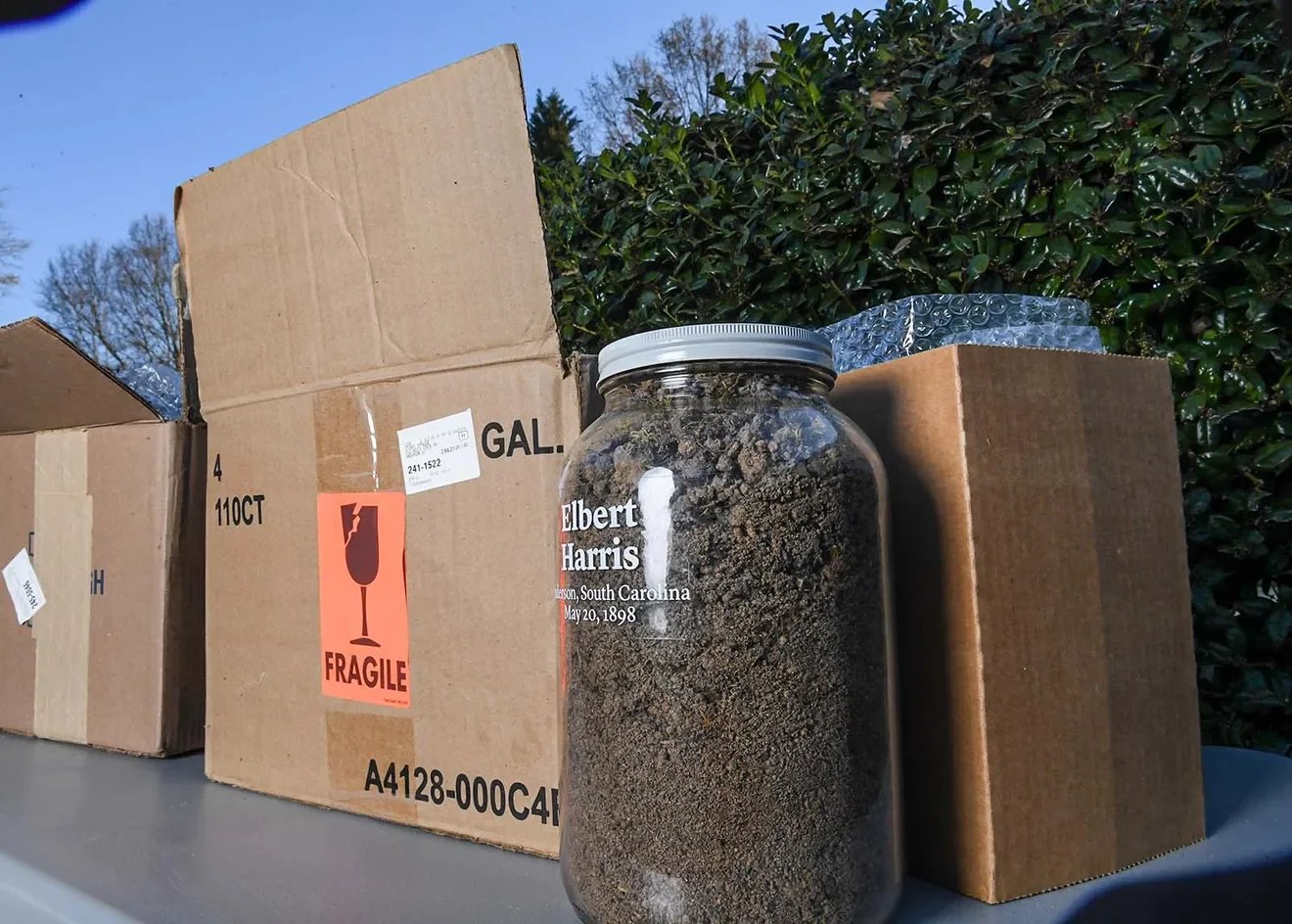
The soil became part of Herman Keith Jr.’s memorial sculpture, connecting public art with the physical places where history occurred.
The Earth Remembers Exhibit
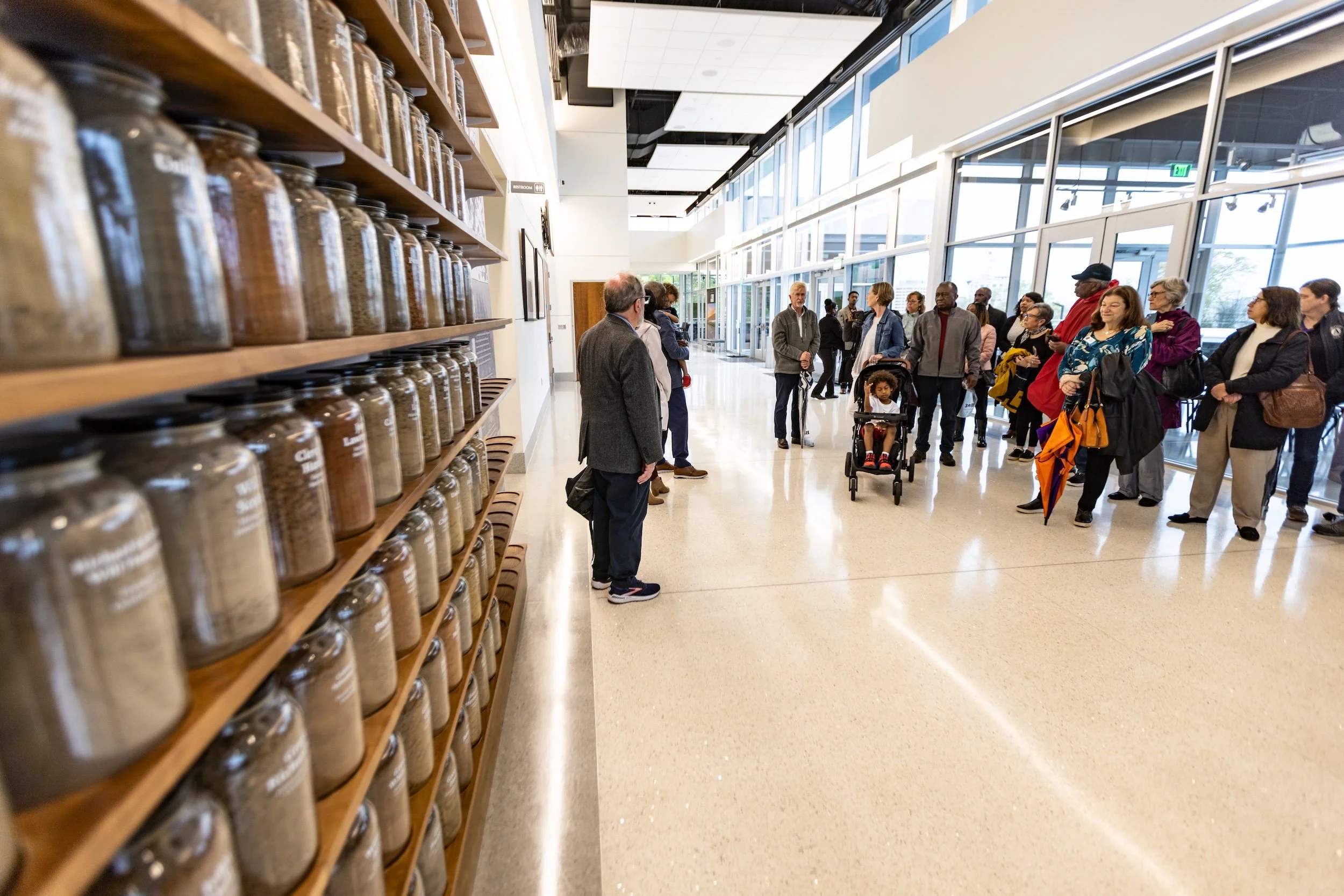
A set of soil jars became part of a permanent exhibit at the Anderson County Museum, preserving these stories for future generations.
Equal Justice Initiative
A set of soil jars was delivered to the Equal Justice Initiative in Montgomery, Alabama, connecting Anderson County’s remembrance work to a national movement for truth and reconciliation.
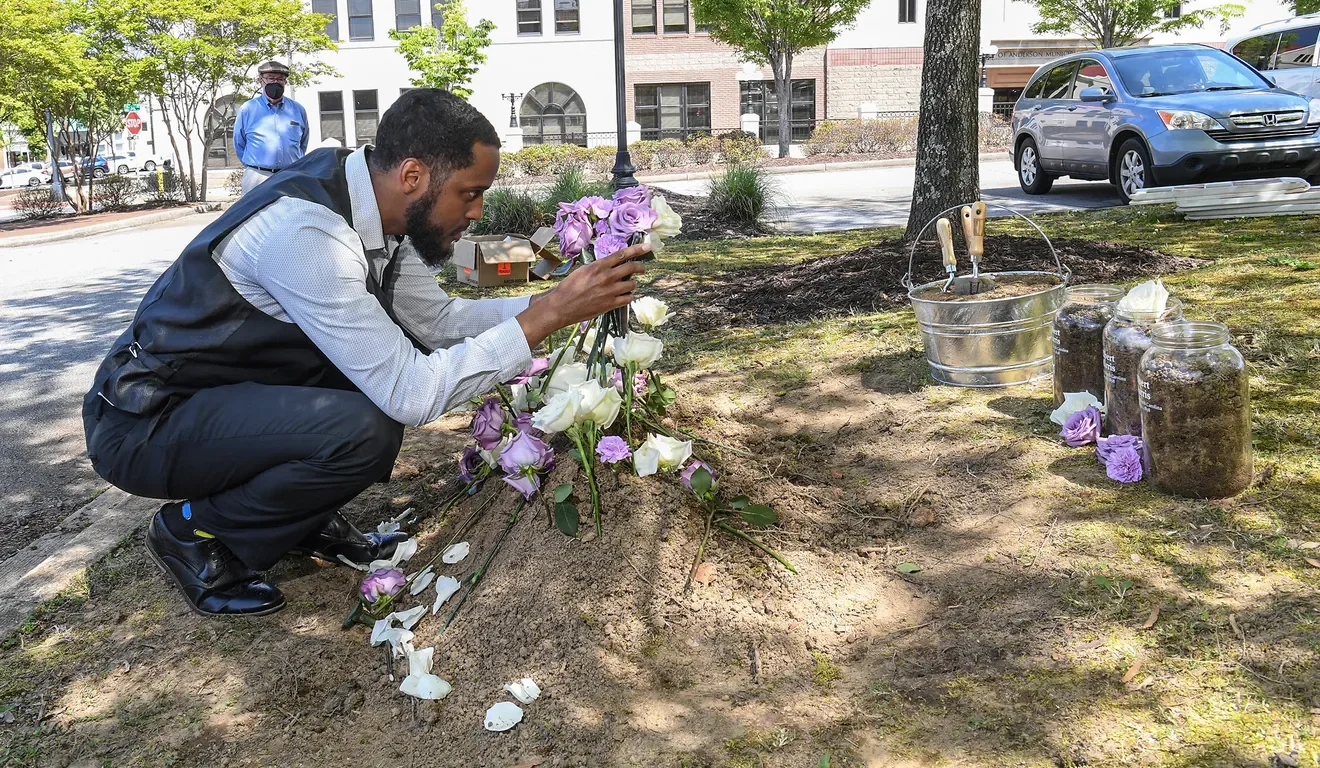
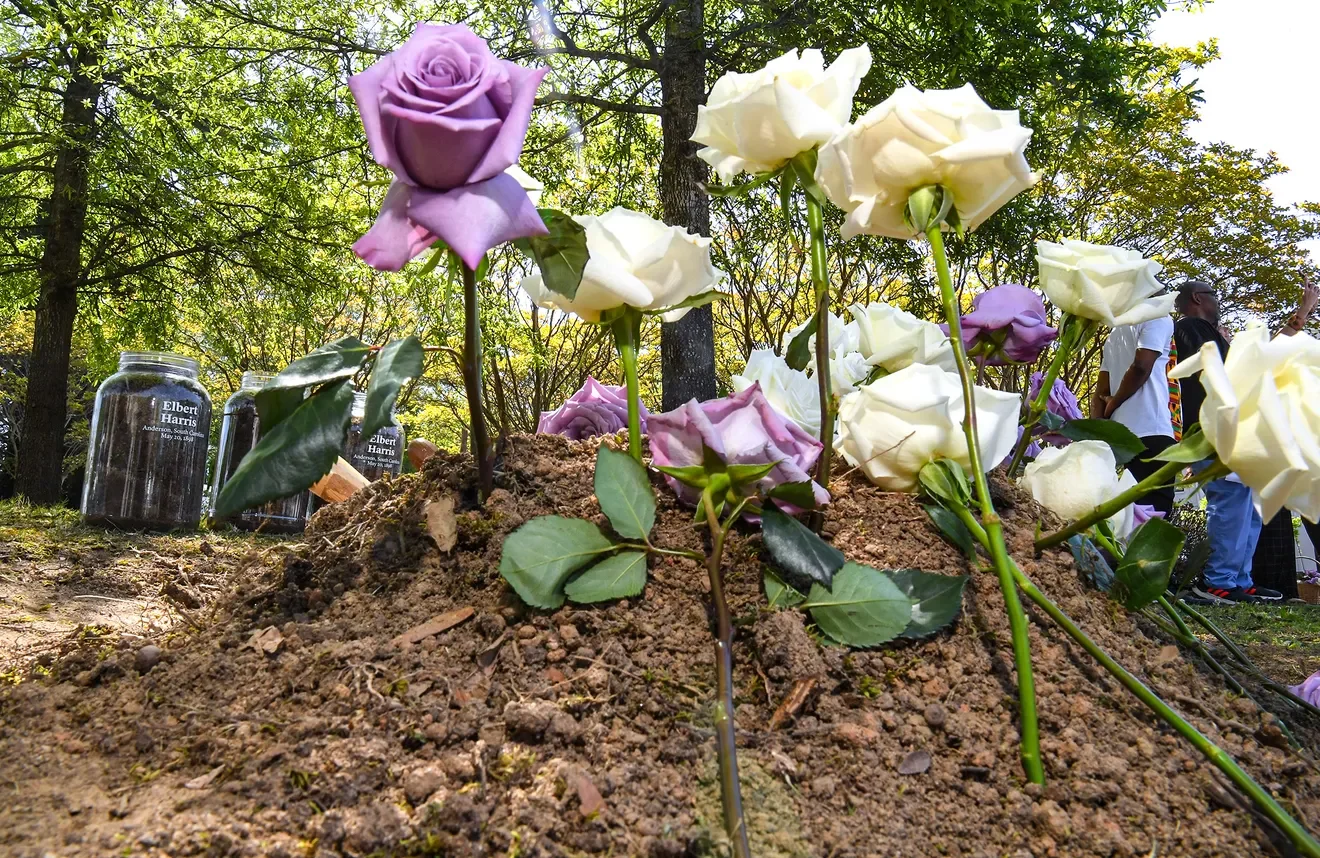
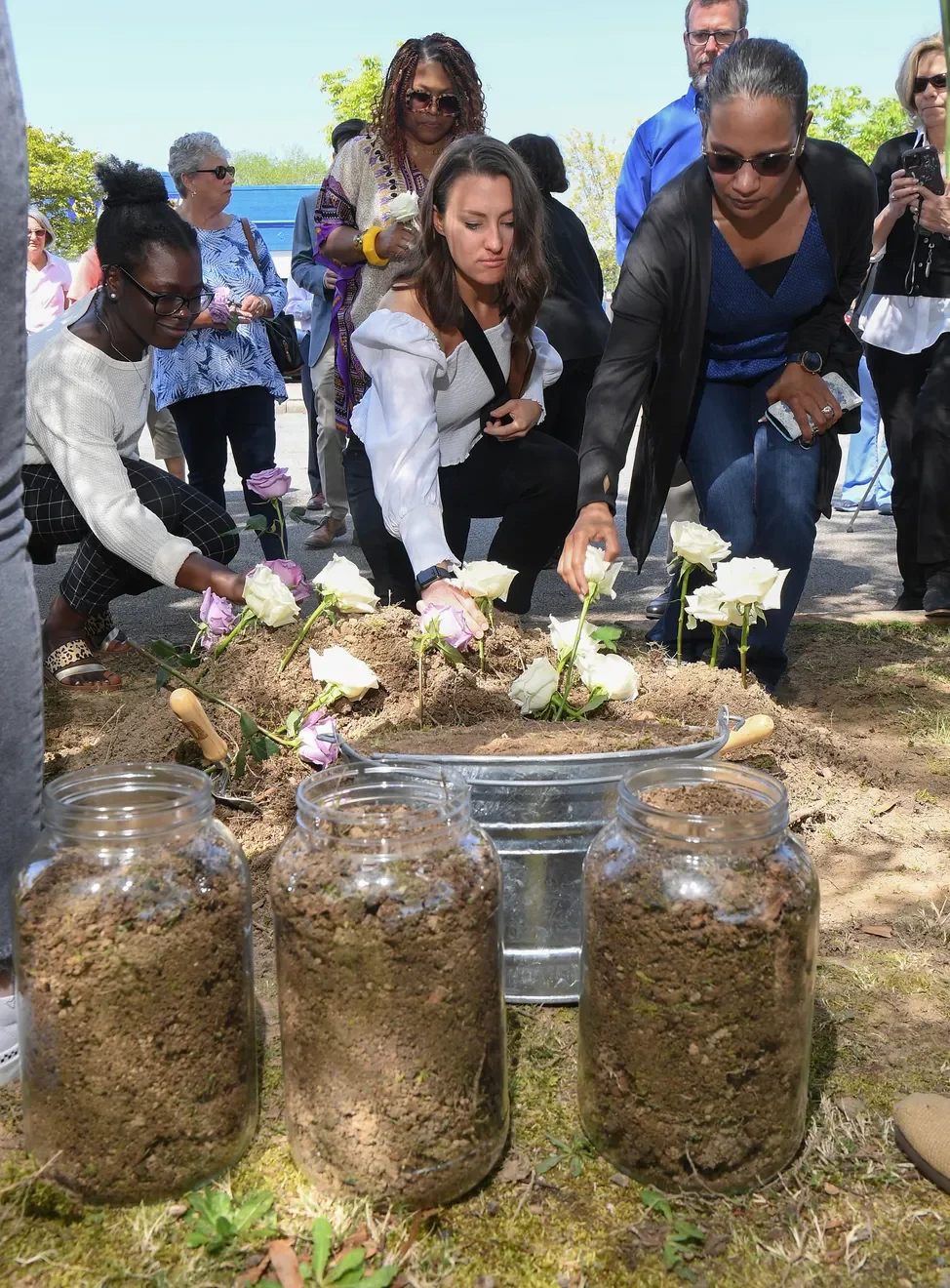
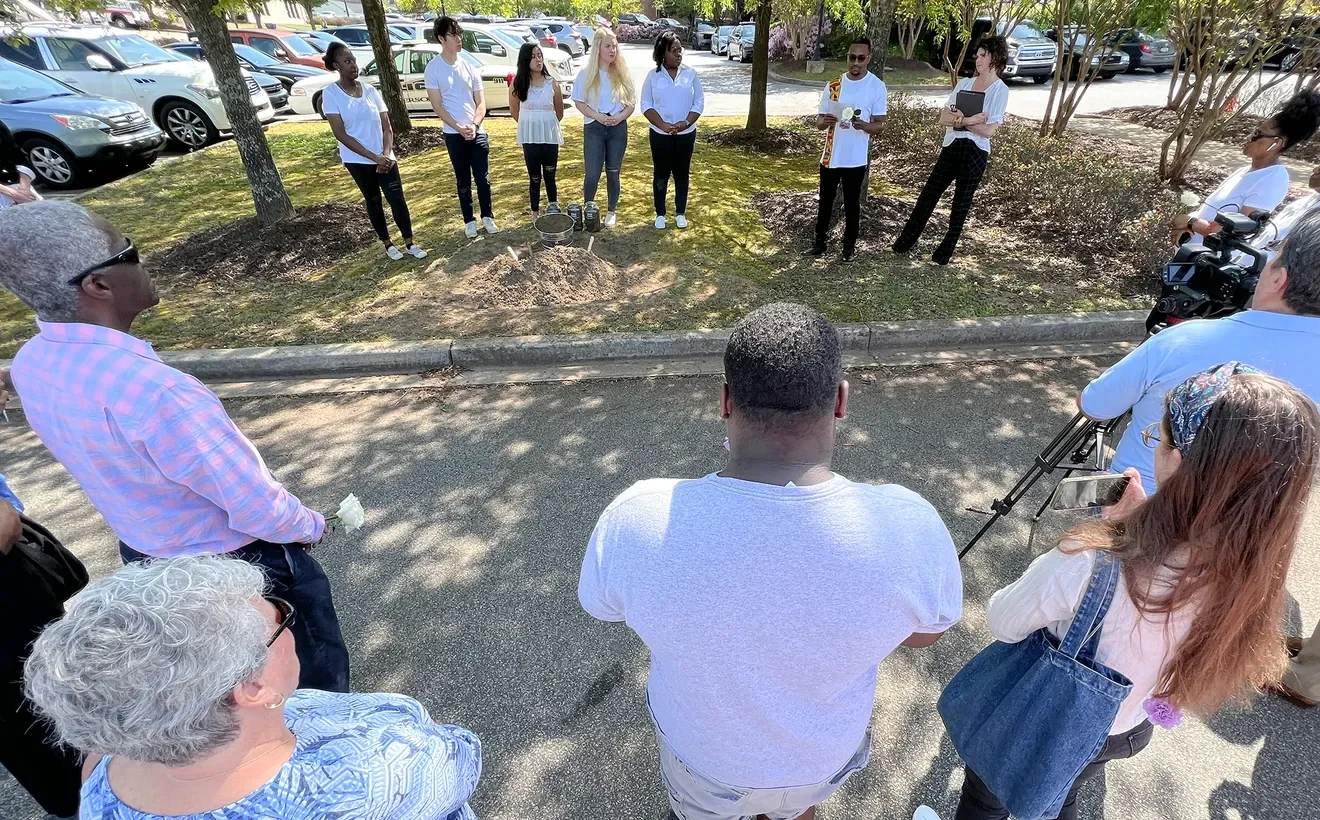
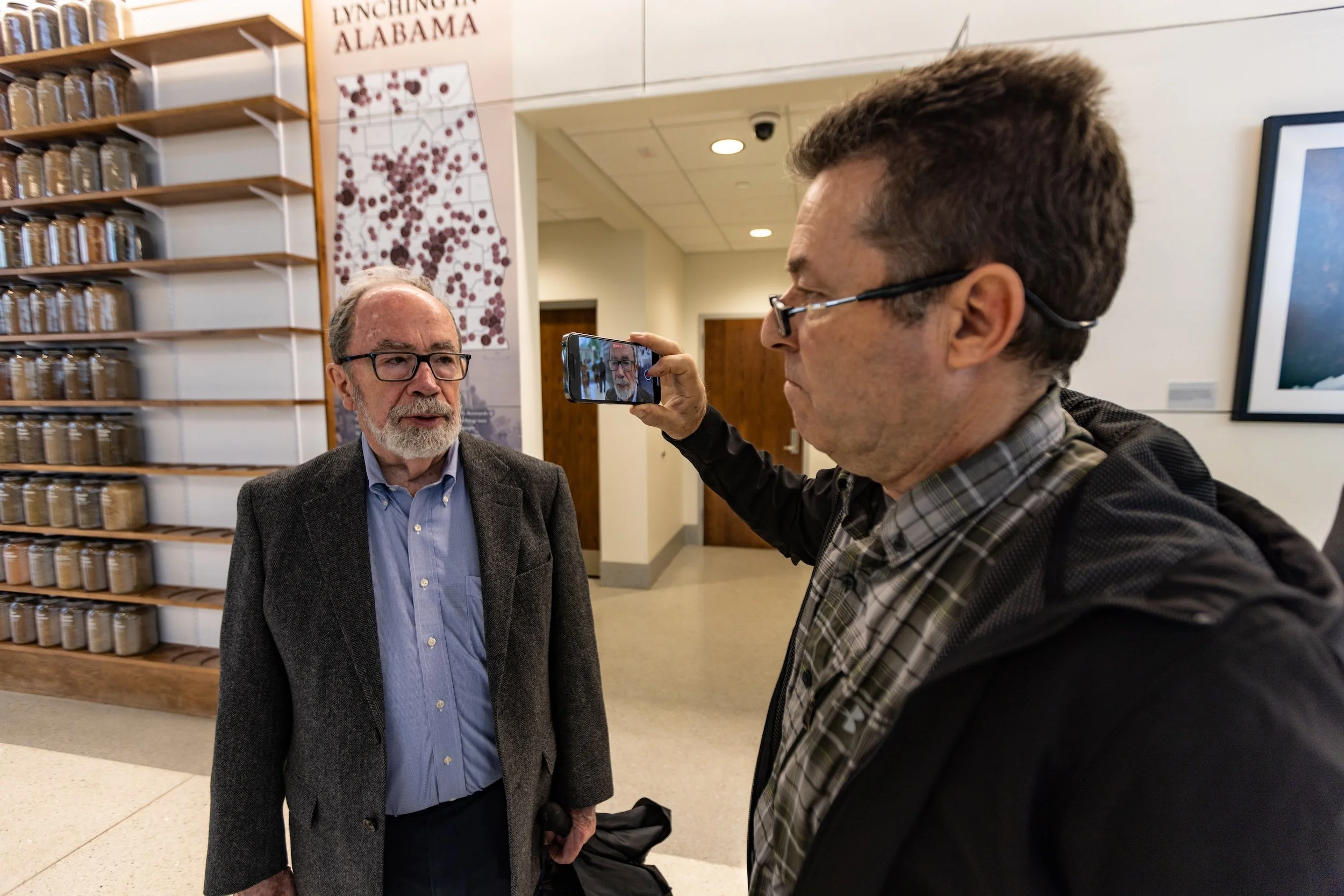
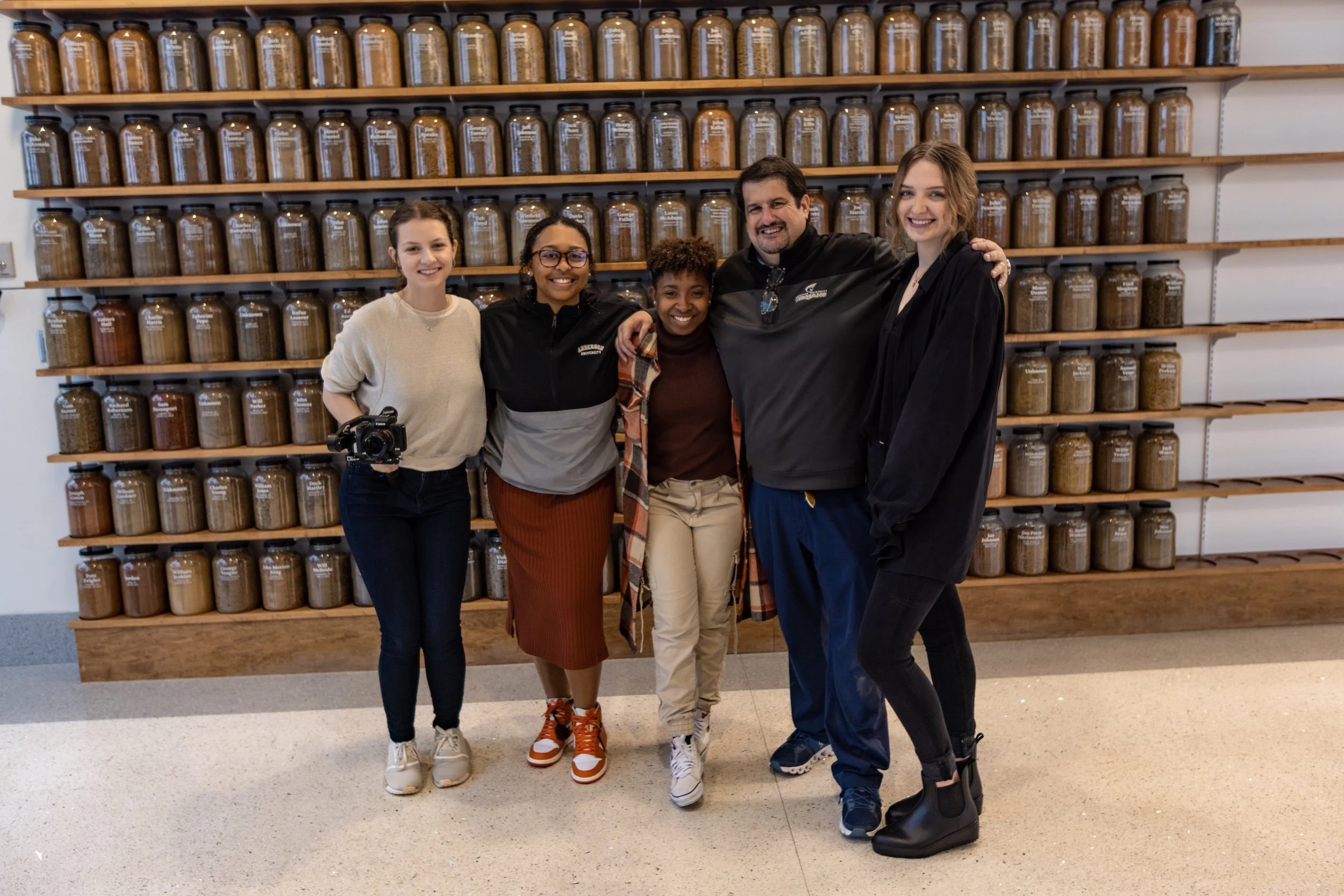
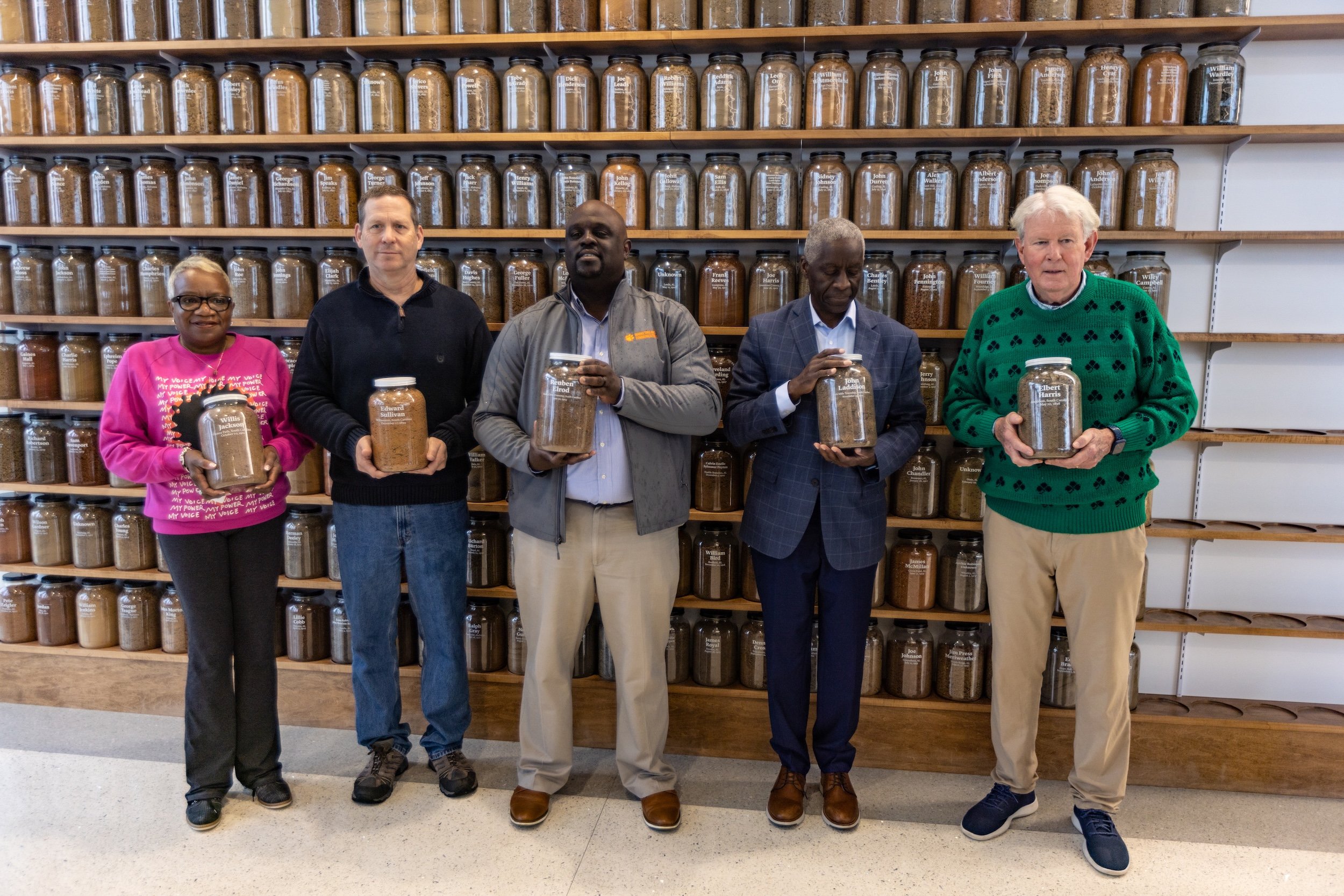
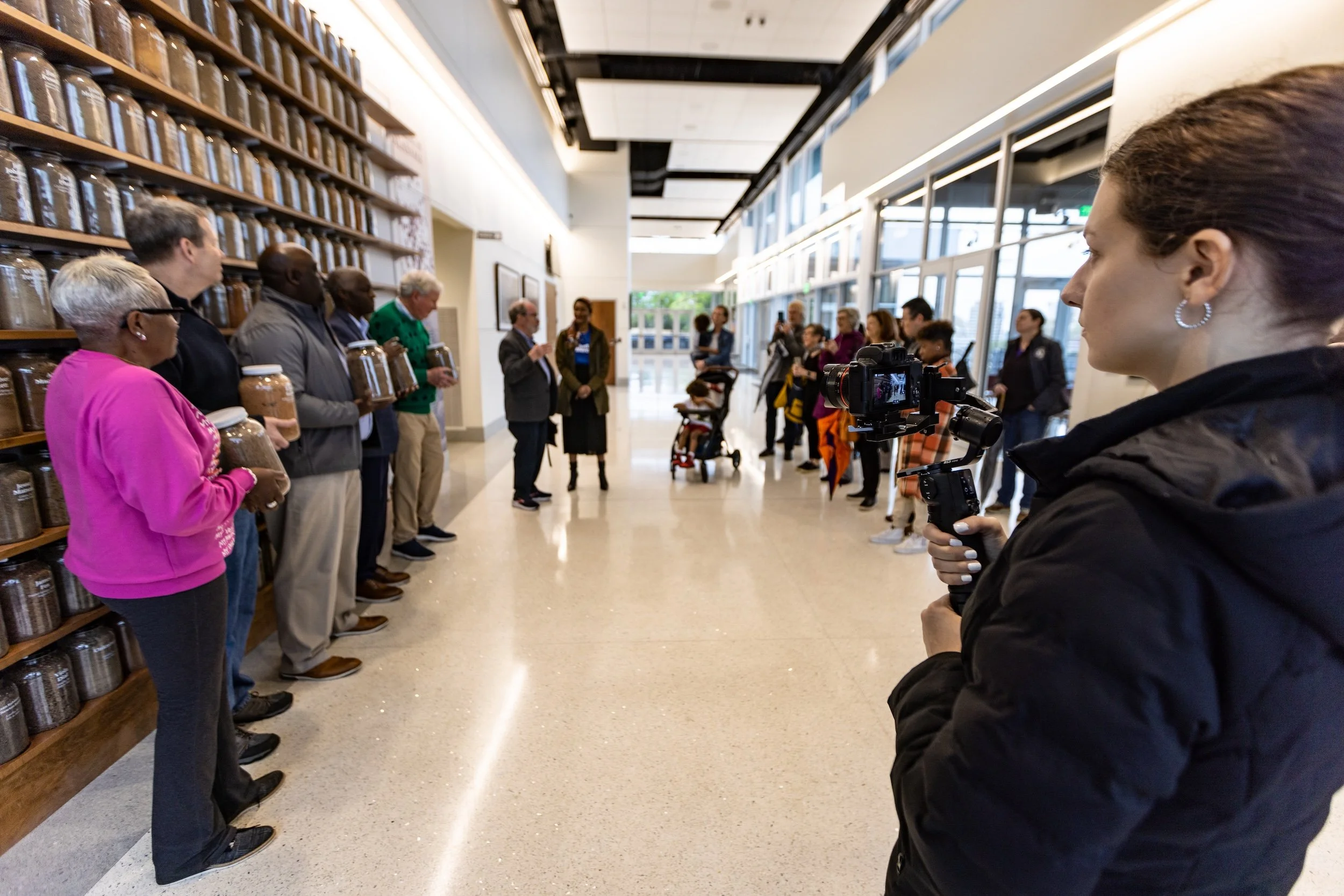
Witnessing the Journey
The moments, the people, and the places where remembrance began.
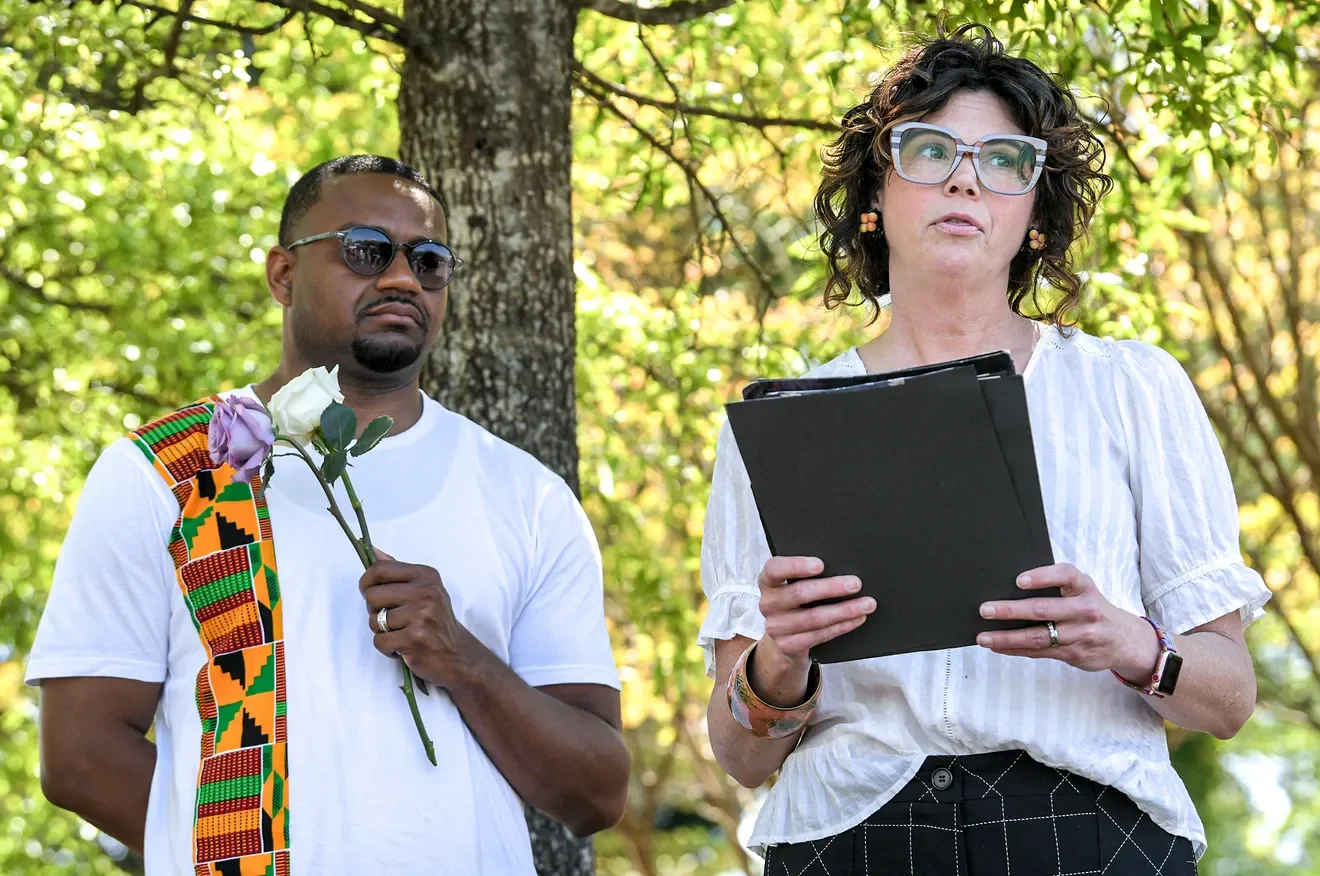
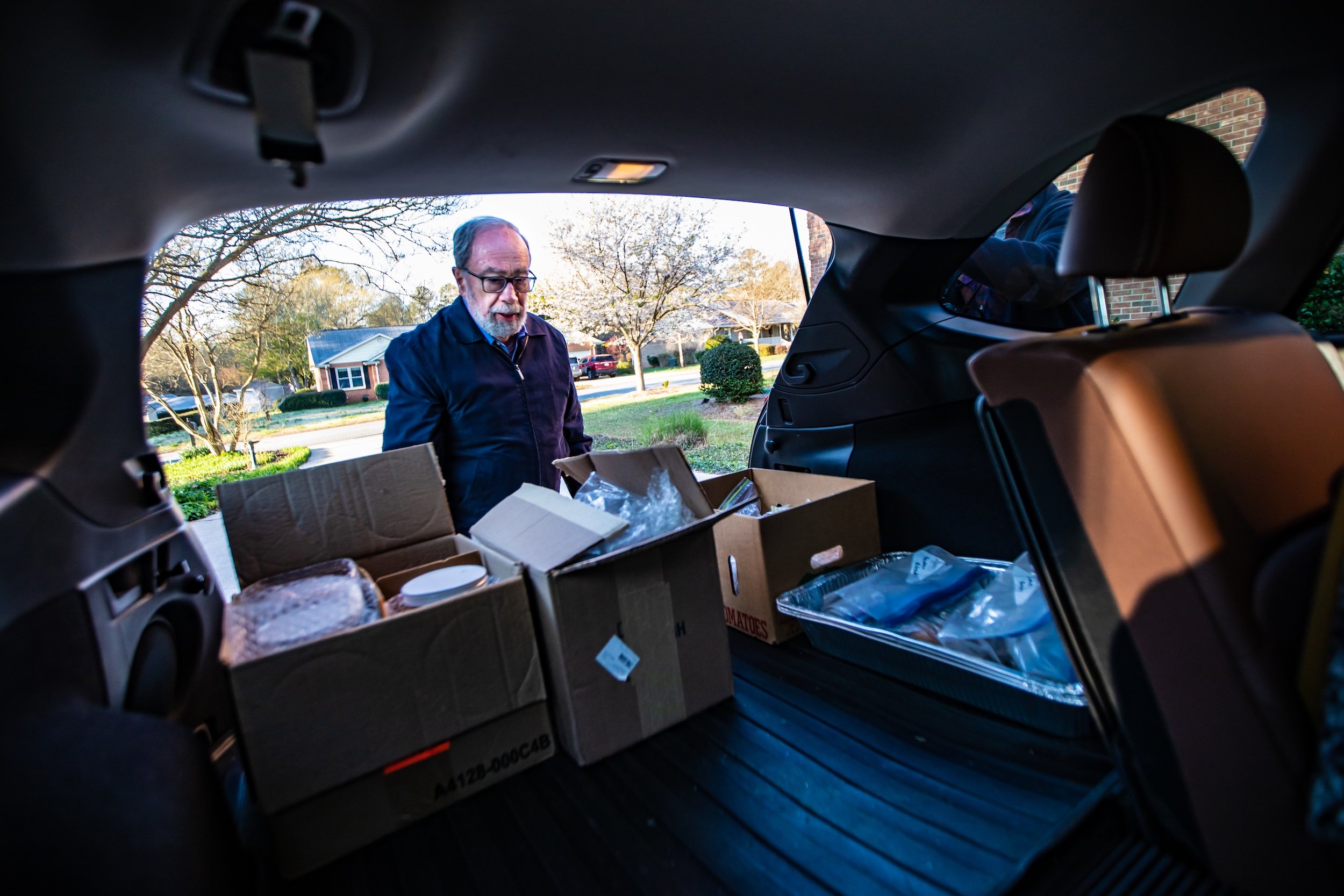
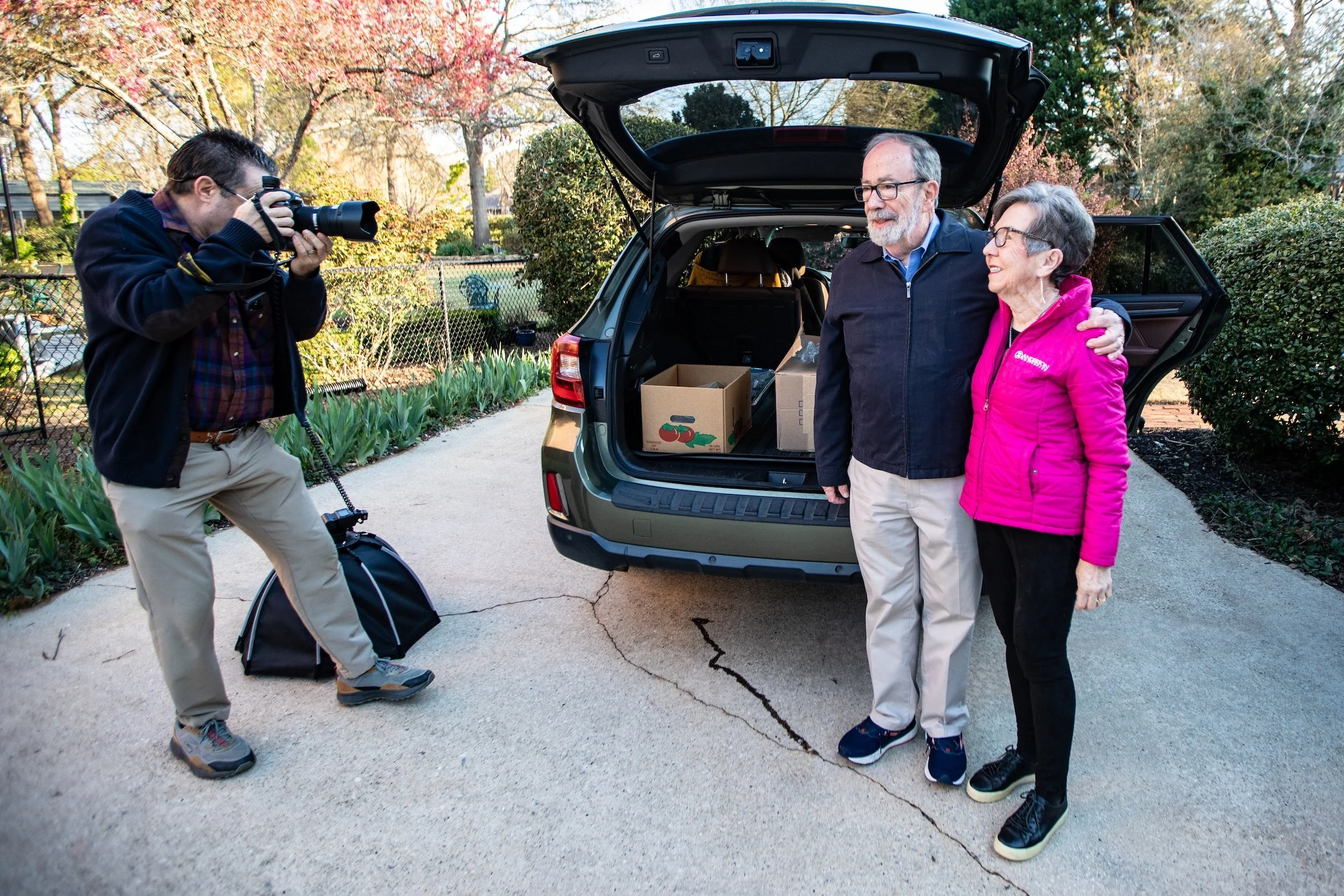
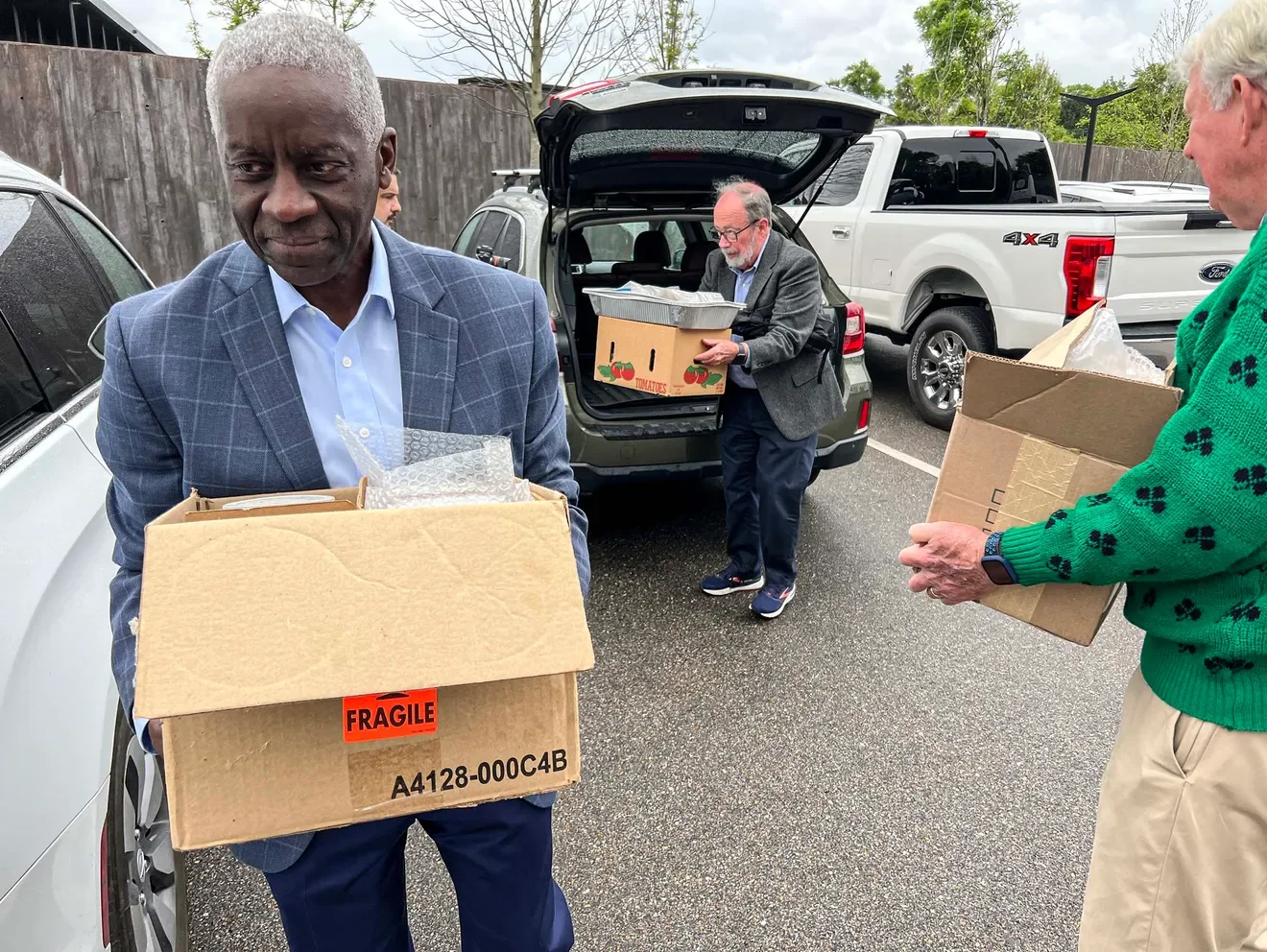
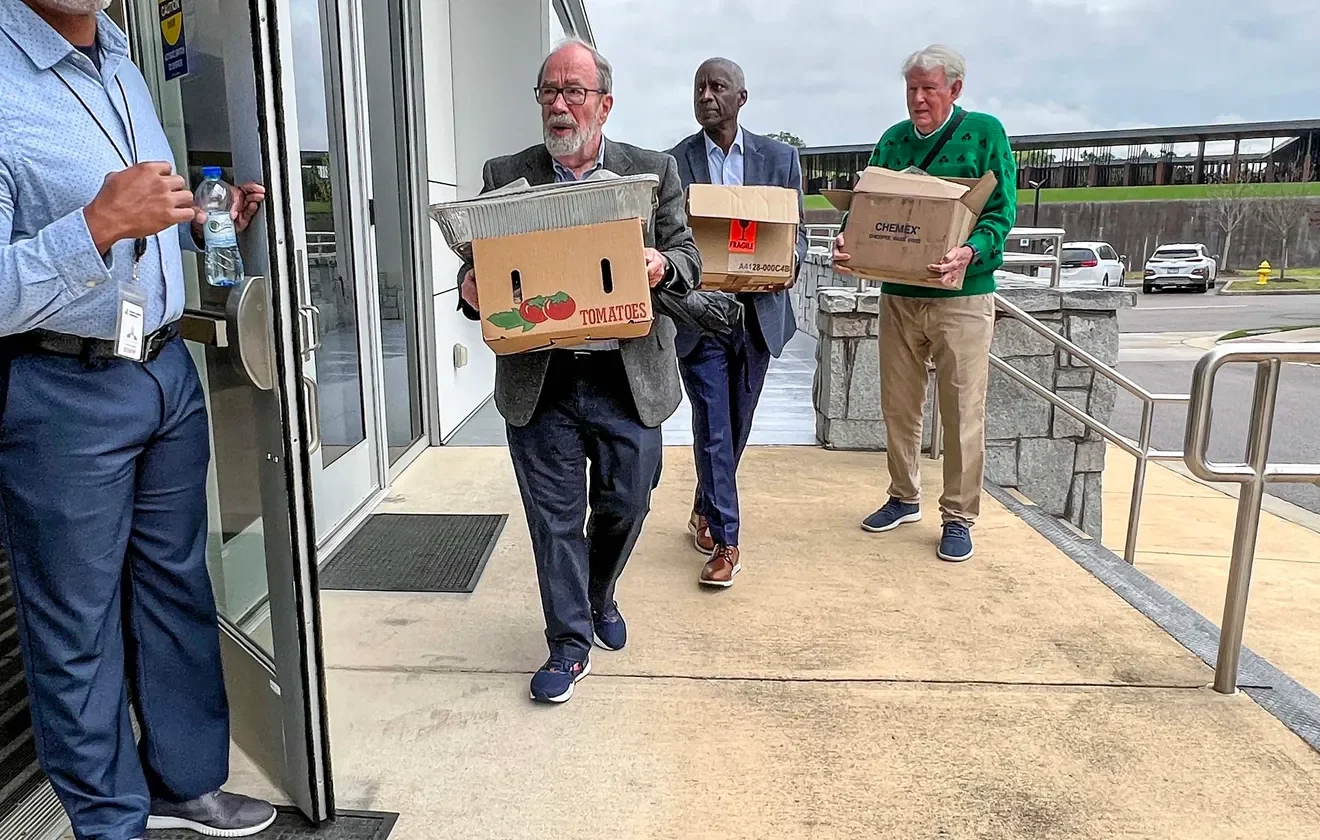
From gathering in community to collecting soil and speaking their names, these moments document the beginning of Anderson County’s journey of remembrance and reconciliation. Each photograph captures the people who came together to honor the five victims and carry their stories forward.
The Journey Continues
From collected soil to a national memorial.
The soil jars represented more than history preserved — they represented a commitment carried forward. AAR&RI traveled to the Equal Justice Initiative in Montgomery, Alabama, where the soil collected from Anderson County became part of a national effort to remember victims of racial terror, tell the truth about our past, and continue the work toward Beloved Community.
Remembrance Journey to the Equal Justice Initiative: Documentary
This documentary was a product of Anderson University's COM 451 Class: Documentary Storytelling. This project was created in the Spring of 2023.
Anderson University's COM 451 Documentary Storytelling Team
Destiny Donald - Research/Videographer
Adam Edwards - Producer/Editor
Zachary Freeman - Producer/Writer
Jordan Huffman - Research/Videographer
Morgan Lane - Research/Videographer
Ralyn Ligon - Research/Videographer
Bobby Rettew, MA / COM 451 Instructor
Assistant Professor
Anderson University
Department of Communication
EJI Ceremony: Anderson County Delegation Delivery Jars of Soil
This documentary was a product of Anderson University's COM 451 Class: Documentary Storytelling. This project was created in the Spring of 2023.
Anderson University's COM 451 Documentary Storytelling Team
Destiny Donald - Research/Videographer
Adam Edwards - Producer/Editor
Zachary Freeman - Producer/Writer
Jordan Huffman - Research/Videographer
Morgan Lane - Research/Videographer
Ralyn Ligon - Research/Videographer
Bobby Rettew, MA / COM 451 Instructor
Assistant Professor
Anderson University
Department of Communication
Dr. James Noble Reflection: Anderson County Delegation Delivery Jars of Soil
This documentary was a product of Anderson University's COM 451 Class: Documentary Storytelling. This project was created in the Spring of 2023.
Anderson University's COM 451 Documentary Storytelling Team
Destiny Donald - Research/Videographer
Adam Edwards - Producer/Editor
Zachary Freeman - Producer/Writer
Jordan Huffman - Research/Videographer
Morgan Lane - Research/Videographer
Ralyn Ligon - Research/Videographer
Bobby Rettew, MA / COM 451 Instructor
Assistant Professor
Anderson University
Department of Communication
Dr. Stuart Sprague Reflection: Anderson County Delegation Delivery Jars of Soil
This documentary was a product of Anderson University's COM 451 Class: Documentary Storytelling. This project was created in the Spring of 2023.
Anderson University's COM 451 Documentary Storytelling Team
Destiny Donald - Research/Videographer
Adam Edwards - Producer/Editor
Zachary Freeman - Producer/Writer
Jordan Huffman - Research/Videographer
Morgan Lane - Research/Videographer
Ralyn Ligon - Research/Videographer
Bobby Rettew, MA / COM 451 Instructor
Assistant Professor
Anderson University
Department of Communication
-

REMEMBRANCE
What stories does the earth hold
Gathering soil from the locations connected to the five victims created a sacred act of remembrance — preserving their names, honoring their lives, and ensuring their stories are never forgotten. -

RECONCILIATION
How do we heal through truth?
Through community gatherings, storytelling, and reflection, the soil collection process created spaces to acknowledge painful history and begin conversations rooted in understanding and healing. -

BELOVED COMMUNITY
What will we carry forward?
The collected soil became a symbol of our shared commitment — inspiring future generations to continue the work of justice, compassion, and building Beloved Community.
"The end is reconciliation; the end is redemption; the end is the creation of the Beloved Community."
— Dr. Martin Luther King, Jr.