
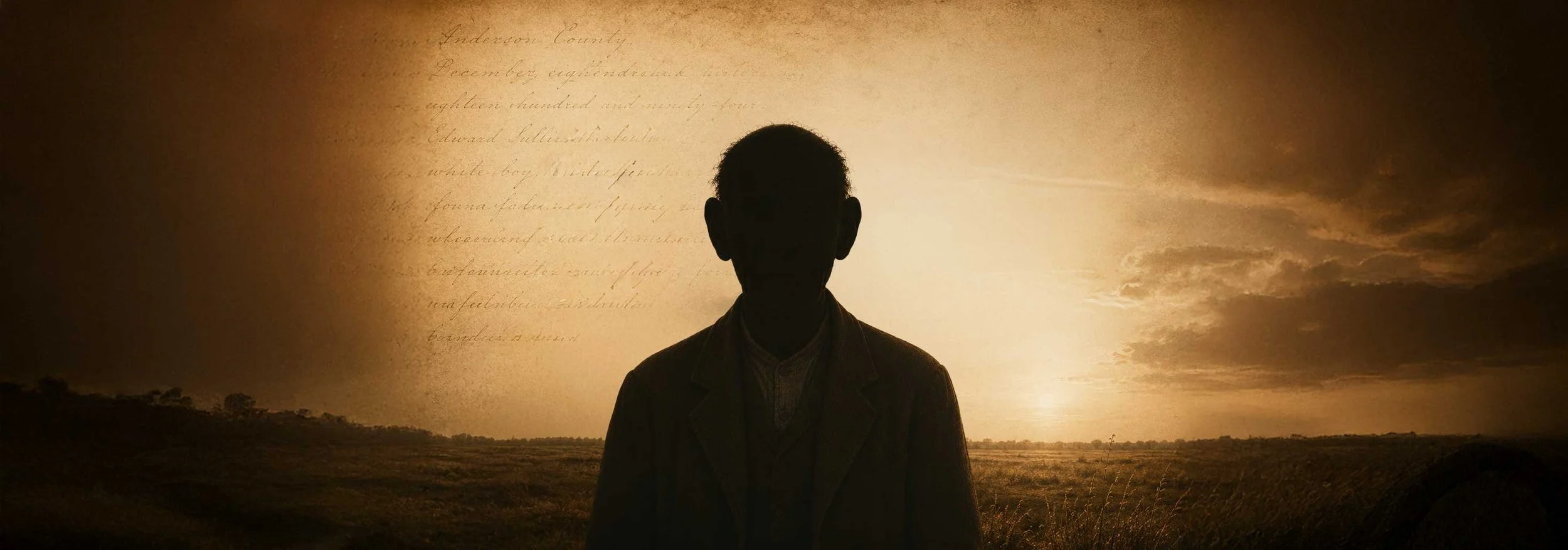
REUBEN ELROD
Brushy Creek Township, SC
—
June 30, 1903
Age ~80
TIMELINE
-
Circa 1835–1840
Reuben Elrod is born (estimated).
-
Before 1900
Works as a farmer in Anderson County.
-
By 1900
Works as a day laborer while his wife earns income as a washerwoman.
-
June 1903
Three Black women come to stay in the Elrod home.
-
June 30, 1903 (approximately 10:00 p.m.)
Up to fifty armed white men surround the Elrod home.
-
June 30, 1903
Reuben is shot and killed while defending those inside his home.
-
June 30, 1903
The three women are stripped, whipped, terrorized, and ordered to leave the county.
-
July 1903
A coroner's jury concludes Reuben was murdered by "parties unknown."
-
We Must Remember
No member of the mob is ever identified or prosecuted.
The Story
-
Reuben Elrod was a husband, a farmer, a laborer, and a respected member of his community.
By 1903, he was in his mid- to late-sixties, an age when many people hope to spend their later years surrounded by family and the familiarity of home. Census records tell us that he and his wife lived near Piedmont in what was then Brushy Creek Township. Reuben supported his family through farming and later as a day laborer, while his wife earned income as a washerwoman.
Historical records reveal little about his everyday life, but they do tell us something profound about his character.
When three Black women came to stay in his home, Reuben welcomed them.
Whether they were relatives, extended family, or neighbors in need, he offered them shelter. In a time when Black families often depended upon one another for safety and survival, hospitality was more than kindness—it was an act of community.
Today, Reuben Elrod is remembered not simply because he was murdered, but because he chose to protect the people under his roof, even when doing so placed his own life in danger.
-
During the summer of 1903, rumors began circulating among some white residents near Reuben Elrod's home concerning the presence of three Black women living with his family. Newspapers repeated accusations that the women were "objectionable" or "loose," though surviving records suggest they were likely members of his extended family. No evidence indicates that Reuben Elrod had committed any crime.
Late on the night of June 30, as many as fifty armed white men surrounded his home.
The mob demanded that the women come outside so they could be whipped as punishment for allegedly violating white social expectations.
Instead of surrendering them, Reuben defended his home.
As the confrontation escalated, someone in the mob fired into the house. The bullet struck Reuben Elrod in the throat, killing him inside his own home.
The violence did not end there.
The mob seized the three women, stripped them naked, dragged them outside, brutally whipped them, and threatened them with further violence if they remained in the community.
The names of these women have been lost to history.
Like so many survivors of racial terror, their suffering was documented, but their identities were not.
No member of the mob was ever prosecuted.
-
Reuben Elrod's story is about far more than a single act of violence.
It is the story of a home.
Throughout history, the home has represented safety, belonging, family, and refuge. For African American families living under Jim Crow, the home often became one of the few places where dignity could be preserved despite the injustices of the outside world.
On the night of June 30, 1903, that sanctuary was invaded.
The mob did not simply kill Reuben Elrod. They entered his property intending to dictate who could live in his household, how Black families should organize their lives, and whether Black people possessed the right to protect one another.
When Reuben defended the women staying in his home, he challenged the authority the mob claimed over Black lives and Black homes.
The attack that followed was meant to send a message—not only to Reuben's family but to every Black family in the surrounding community—that even one's own home offered no guarantee of safety when confronted by white supremacy.
The unnamed women survived the attack, but their lives were forever changed. Their testimony helped document what happened that night, even as fear and trauma prevented them from identifying those responsible. Their courage preserved this story for future generations.
-
Reuben Elrod's story reminds us that racial terror reached far beyond public spaces. It entered homes, fractured families, and sought to destroy the places where communities found belonging and protection.
His story also invites us to remember the three women whose names history failed to preserve. Their suffering was real. Their courage was real. Their lives mattered.
The Anderson Area Remembrance & Reconciliation Initiative remembers Reuben Elrod because truth requires us to restore dignity not only to those whose names appear in historical records, but also to those whose names were erased.
In remembering Reuben, we honor the courage to protect others, the sanctity of home, and the enduring belief that every person deserves safety, dignity, and equal protection under the law.
-
Reuben Elrod did not stand alone on the night of June 30, 1903.
Three Black women were inside his home when an armed mob surrounded the house. Historical records suggest they were likely members of his extended family or part of his household, though newspapers of the day dismissed them with degrading labels rather than recognizing their humanity.
When the mob demanded that the women come outside to be whipped, Reuben refused to surrender them.
Instead, he stood between the mob and those seeking refuge under his roof.
After Reuben was killed, the mob dragged the women from the home, stripped them naked, brutally whipped them, and threatened them with further violence if they remained in the community.
They survived.
In the days that followed, these women appeared before the coroner's inquest and testified about the attack. Their courage helped preserve the historical record of what happened that night, despite the overwhelming trauma they had endured.
Yet history failed to preserve something just as important.
Their names.
The newspapers recorded accusations against them but not their identities. They documented the violence inflicted upon them but not the lives they had lived before that terrible night. Like countless African Americans during the era of racial terror, they were treated as witnesses to history rather than as people whose own stories deserved to be remembered.
Their absence reminds us that racial terror did not only take lives. It erased names, families, relationships, and generations of memory.
At the Anderson Area Remembrance & Reconciliation Initiative, we believe remembrance is an ongoing act of restoration. As new records emerge and descendants share family histories, we remain committed to recovering every name, every relationship, and every story that history left incomplete.
Until then, we remember these women not as anonymous victims, but as survivors whose courage ensured that Reuben Elrod's story—and their own—would not disappear completely.
Artifacts
-
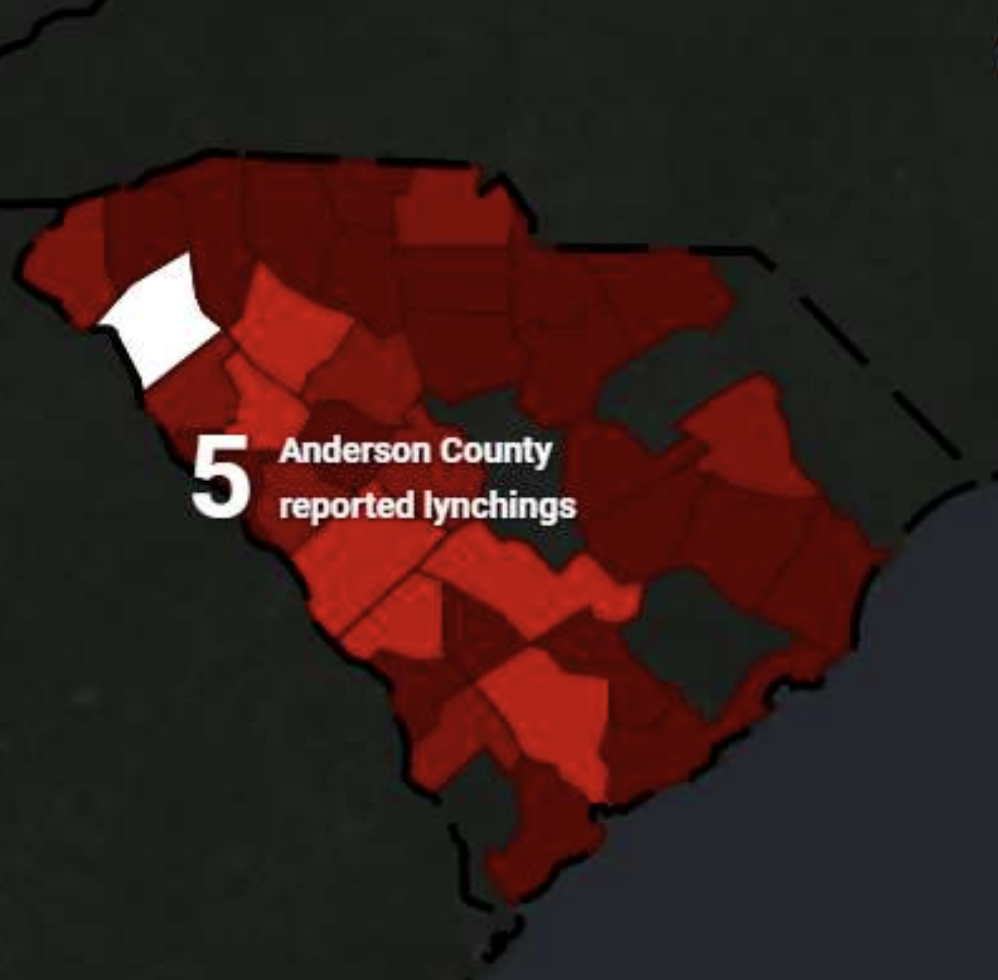
EJI Document
-
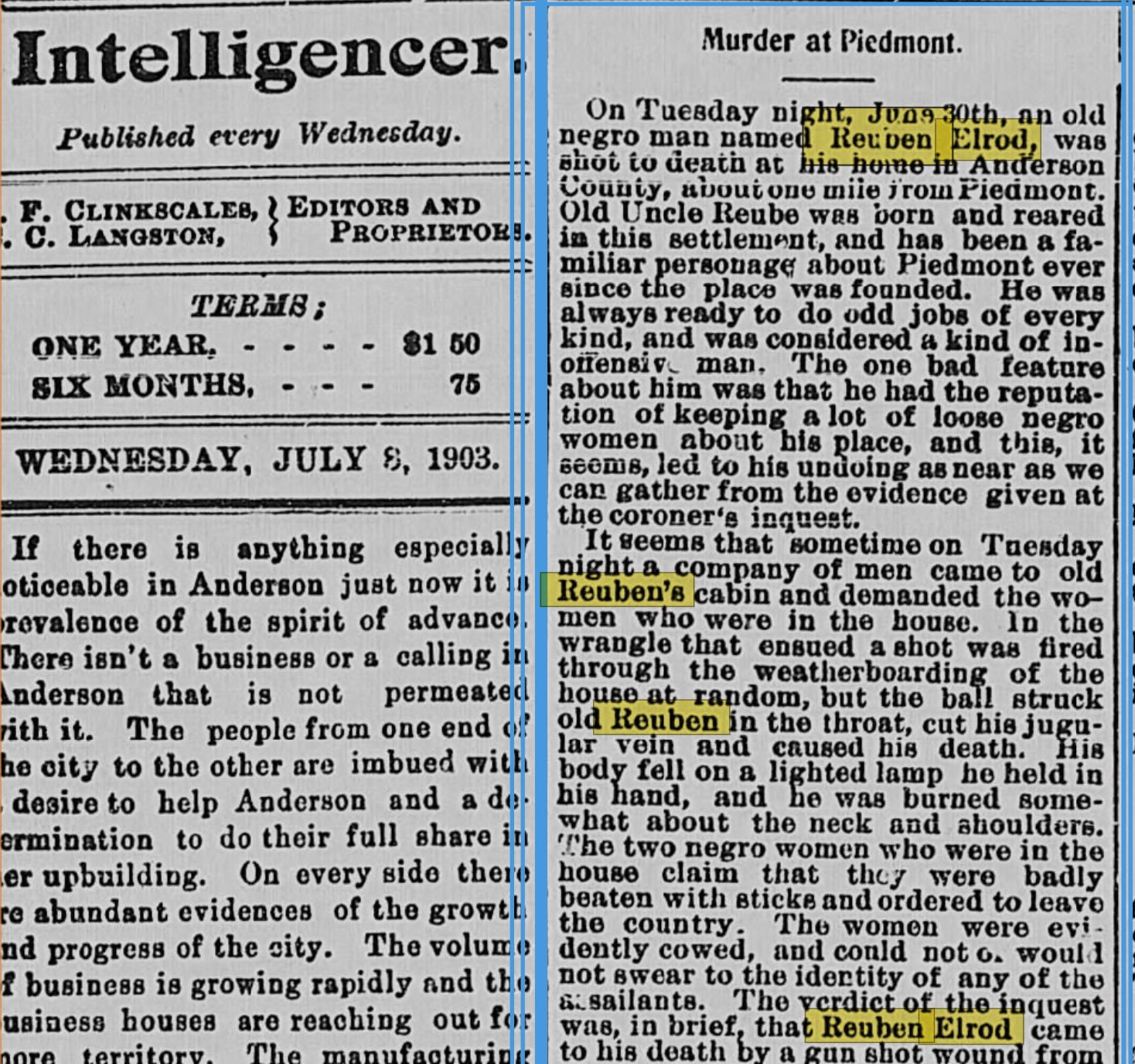
Intelligencer July 8, 1903
-
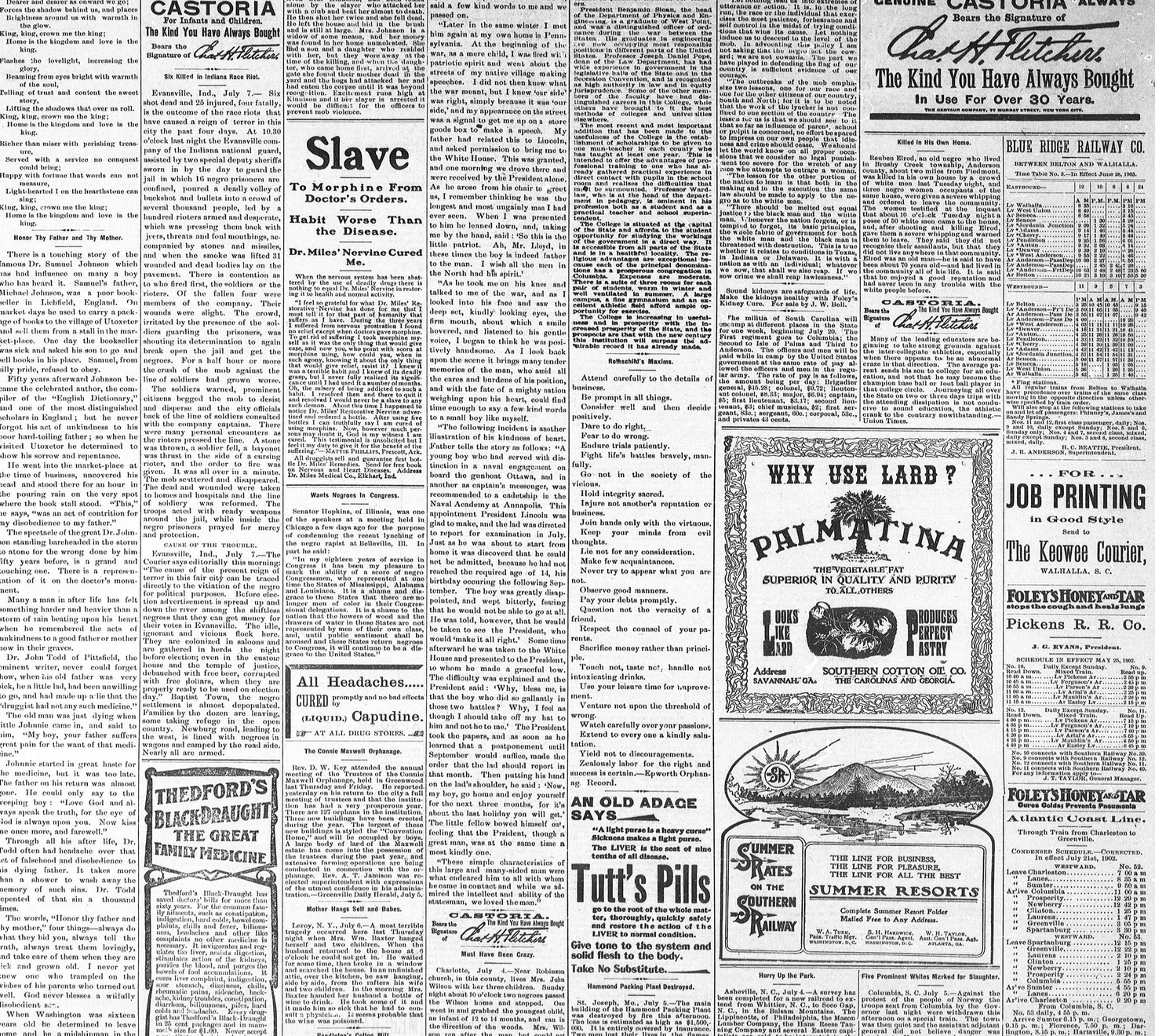
The Keowee Courier - July 15, 1903
-
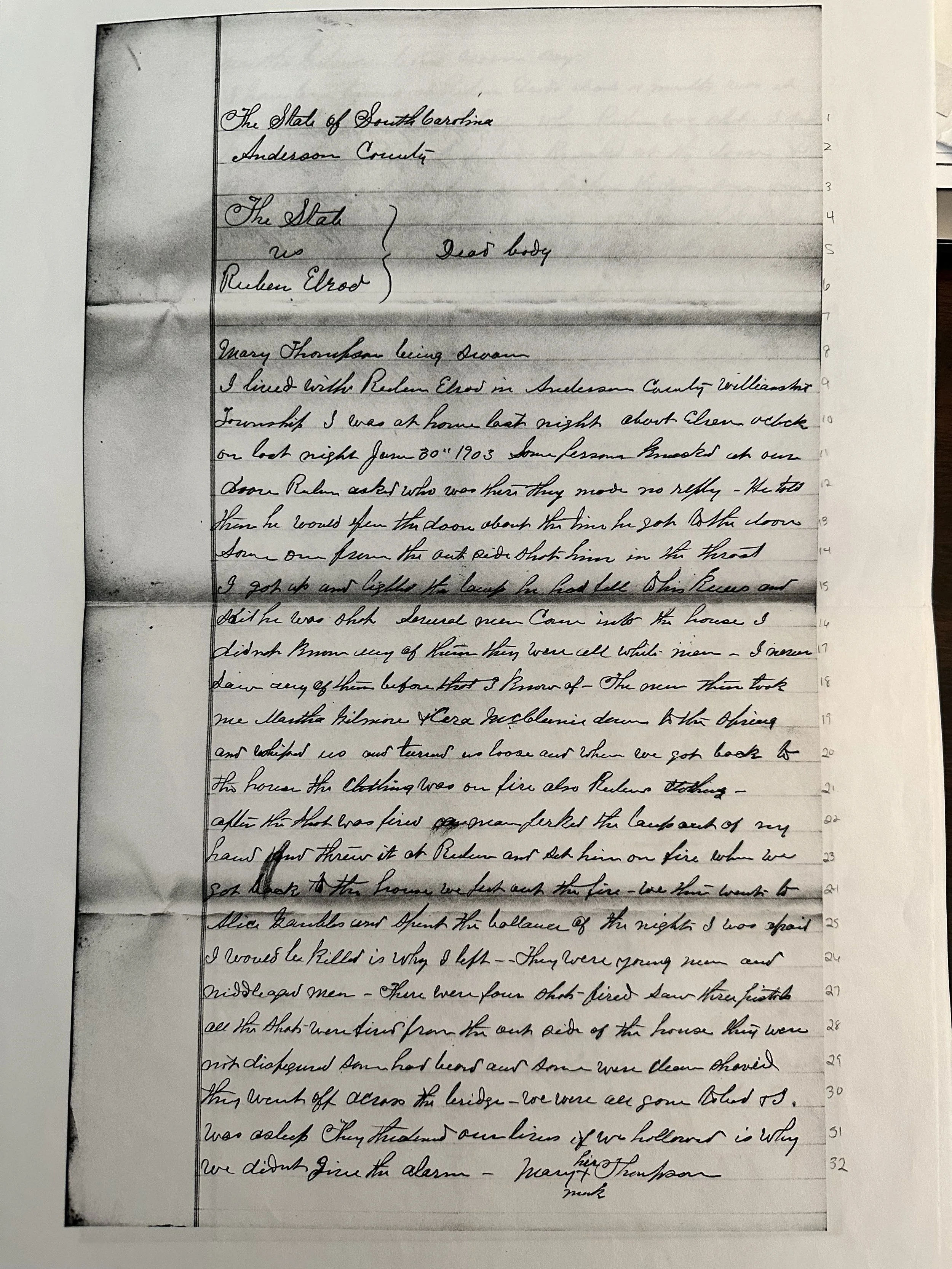
Coroner's Inquest - July 1, 1903
-
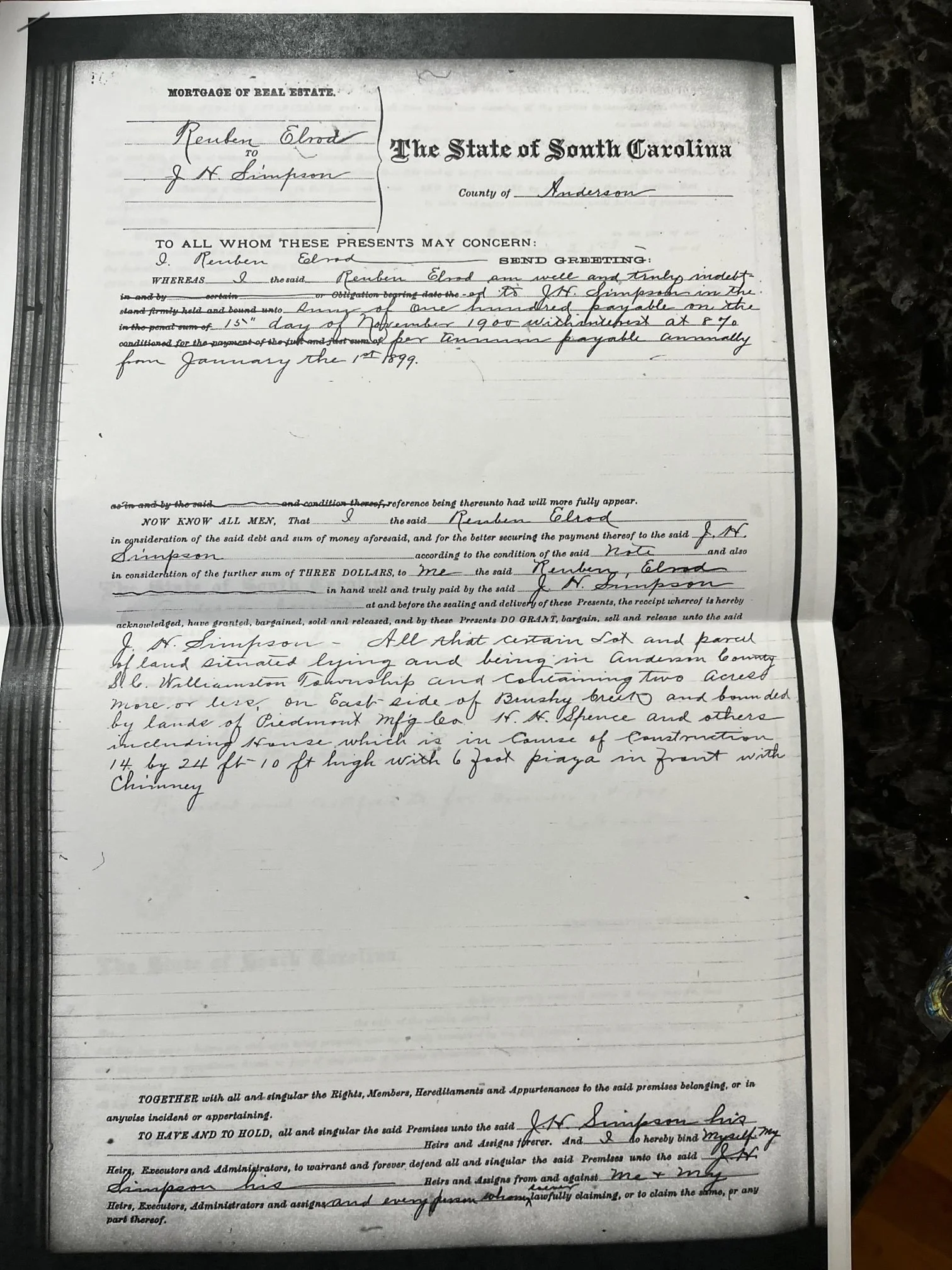
Reuben Elrod's Property Mortgage - October 28, 1898
-
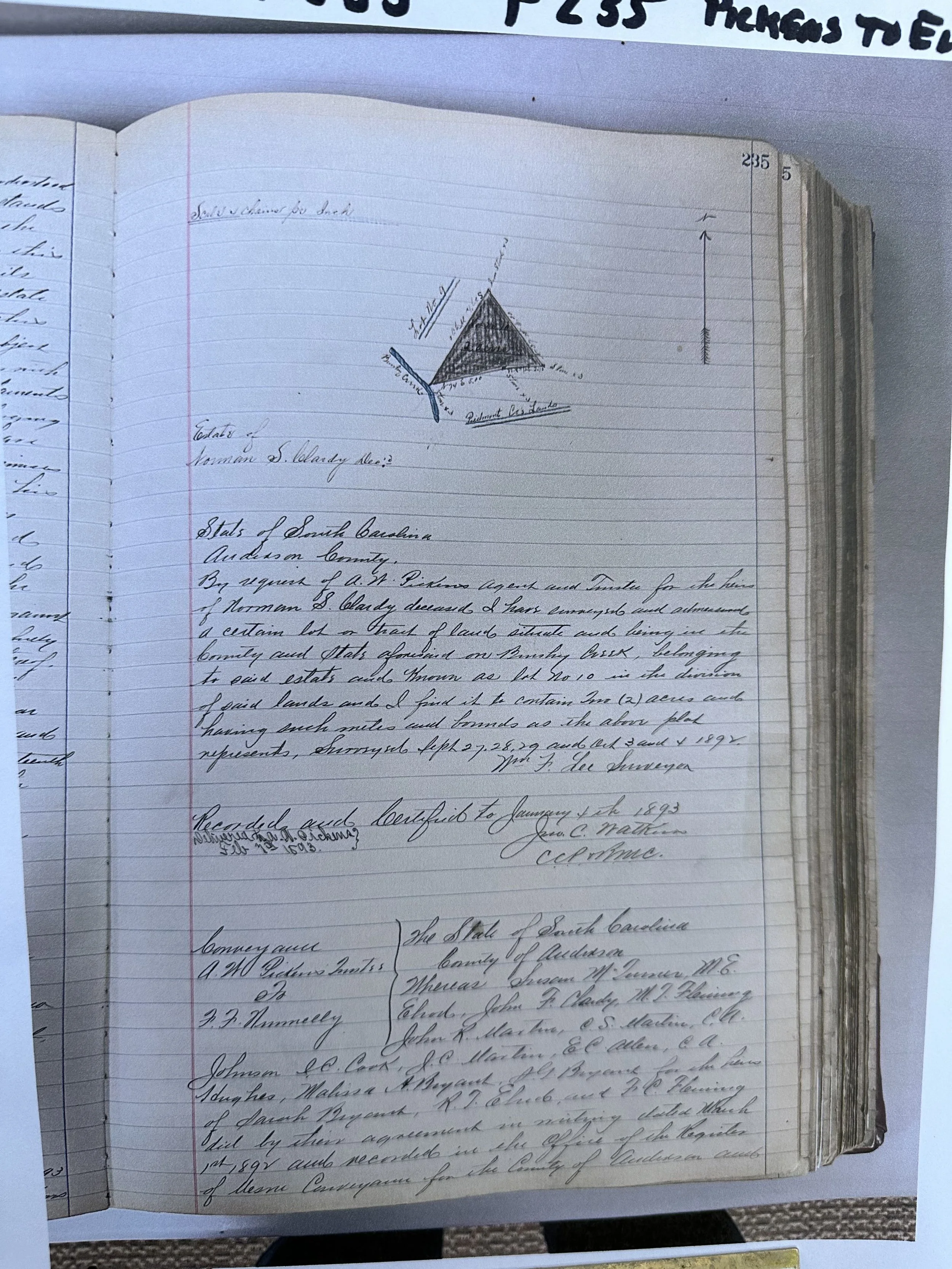
1892 – Subdivision of the Estate of Norman D. Blakely Along Brushy Creek
-
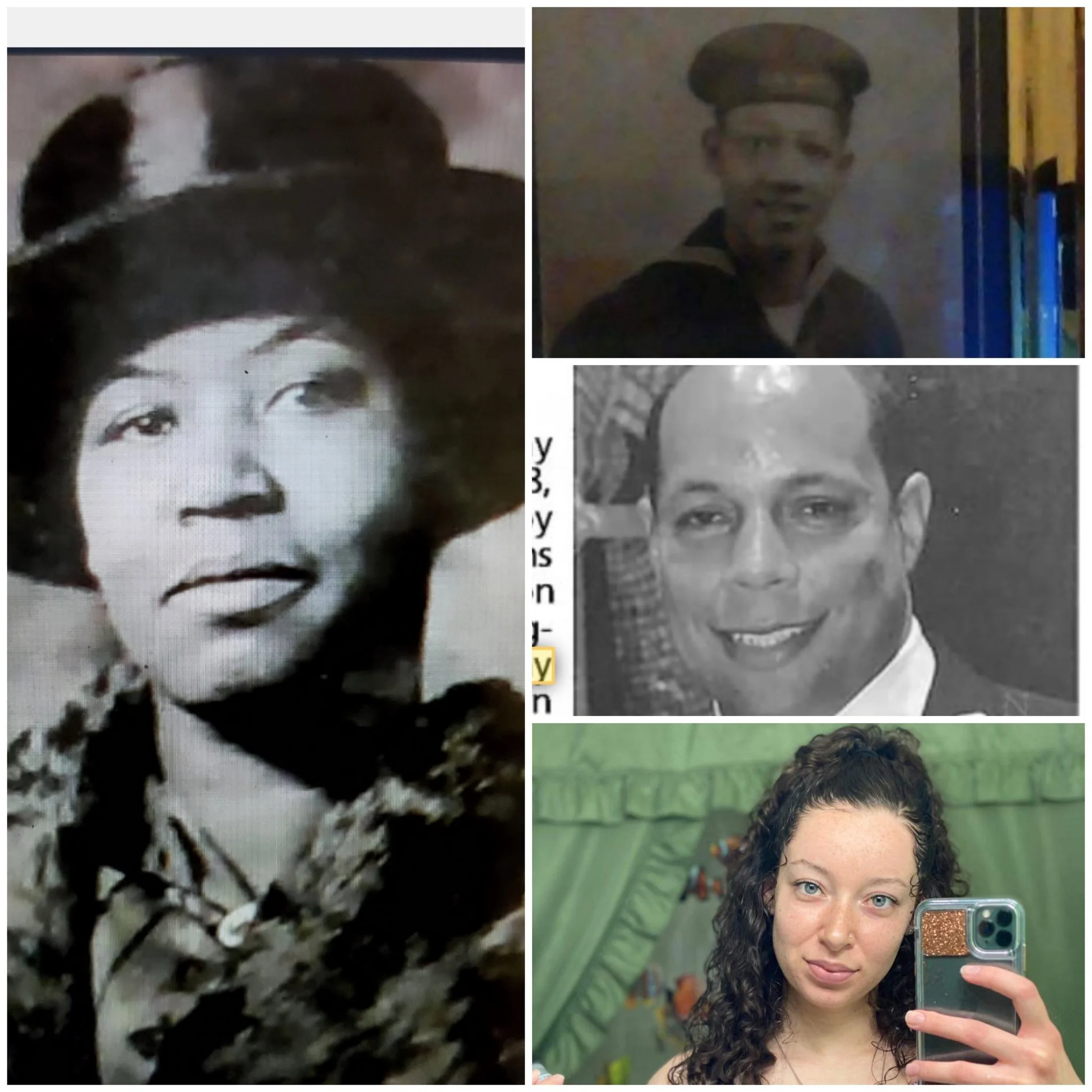
Ancestry Research Notebook No. 1 (Anderson University COM 451 Spring 2023)
-
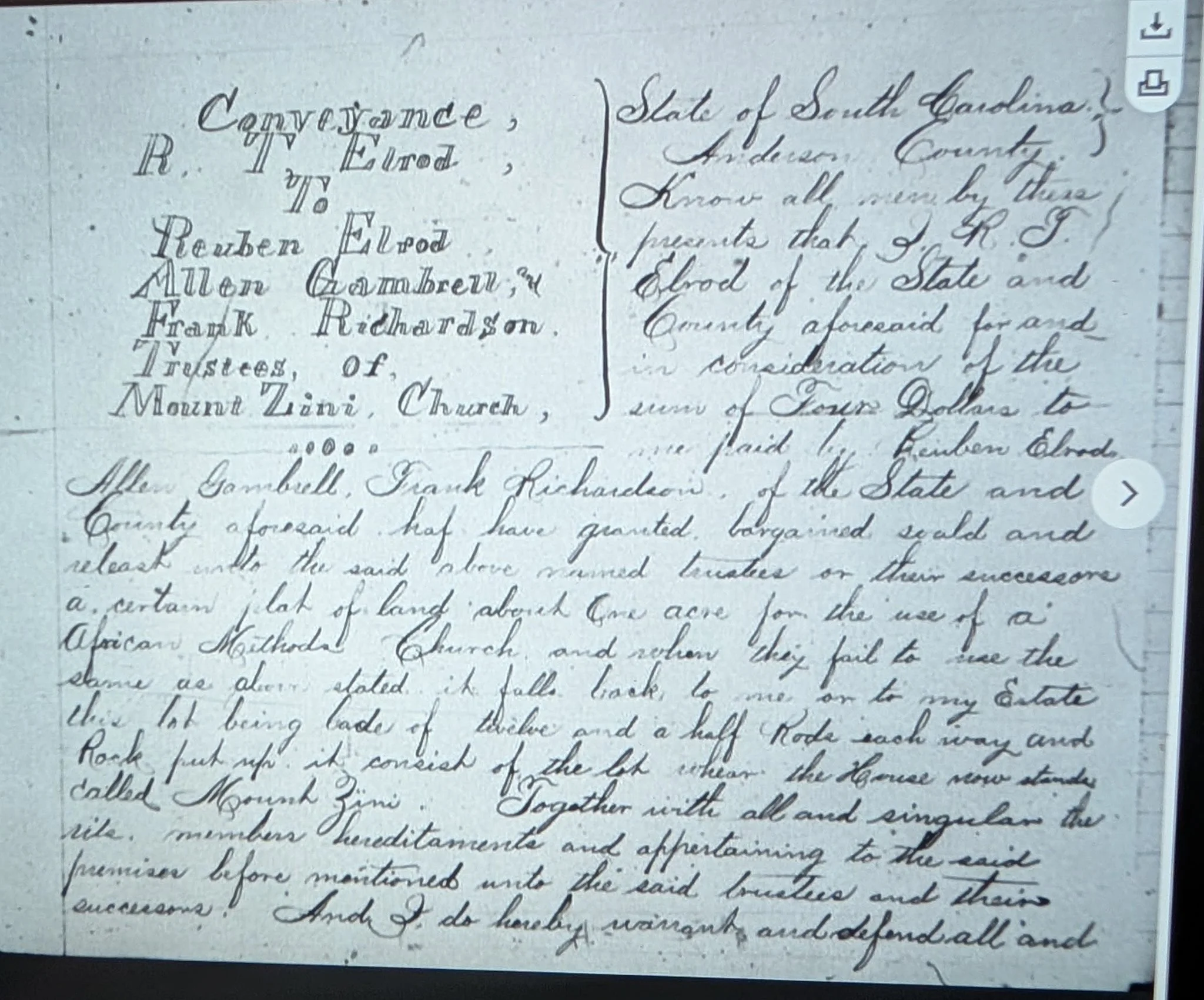
1880 Deed/Conveyance - Mount Zion Church
Remembrance: Reuben Elrod Documentary Storytelling Journey
This story was produced by Anderson University's COM 451 Documentary Storytelling Team in Spring 2023.
Anderson University's COM 451 Documentary Storytelling Team
Destiny Donald - Research/Videographer
Adam Edwards - Producer/Editor
Zachary Freeman - Producer/Writer
Jordan Huffman - Research/Videographer
Morgan Lane - Research/Videographer
Ralyn Ligon - Research/Videographer
Special thanks to:
Mr. Joaquin Cortez (Great Great Great Grandson of Reuben Elrod
Ms. Andrea Thompson (distant relative of Reuben Elrod)
Mrs. Christina Griswold
Mr. Larry Conant
Dr. Stuart Sprague
Faculty Member / Executive Producer:
Bobby Rettew, MA / COM 451 Instructor
Assistant Professor
Anderson University
Department of Communications
Field Research Update: Searching for the Home of Reuben Elrod / Bobby Rettew - Feb 24, 2023
On this site visit, members of the Anderson Area Remembrance & Reconciliation Initiative, Anderson University documentary students, and community researchers continued the effort to locate the home site of Reuben Elrod, who was lynched on June 30, 1903.
Using historical deeds, South Carolina Archives records, the coroner's report, historic plats, and modern GIS mapping, the research team focused on property near the intersection of Saluda Drive and River Road outside Piedmont, South Carolina.
The team believes they have identified the two parcels of land once owned by Reuben Elrod. By overlaying historic property maps onto present-day satellite imagery, researchers determined that an area initially believed to be the house site was likely only part of Elrod's property. Instead, evidence now suggests the home may have stood deeper within the property near the creek that forms part of the original boundary.
The coroner's report provides important clues. It indicates that Reuben Elrod was shot multiple times inside his home, including a fatal wound through the throat. One bullet reportedly passed through the weatherboard siding of the house before striking him, suggesting the home was a wood-frame structure rather than a log cabin. Researchers believe the kerosene lamp Reuben was carrying may have ignited after he was shot, contributing to the destruction of the house by fire.
The visit also helped researchers better understand the geography described in historical accounts. The nearby creek and bridge correspond with reports that, after killing Reuben, the mob dragged the three women who had been staying in his home to the creek where they were stripped, whipped, and threatened before being ordered to leave the community.
Although no visible structural remains were identified during this visit, the team concluded that further archaeological investigation is warranted. Future fieldwork will concentrate on the interior of the original property in search of stone foundations, chimney remnants, or other physical evidence that could identify the exact location of the Elrod home.
The day's work represents another important step in restoring the historical landscape surrounding Reuben Elrod's life. Rather than remembering only where he died, the research seeks to recover where he lived, worked, cared for his family, and ultimately gave his life defending those seeking refuge in his home.
Bobby Rettew, MA / COM 451 Instructor
Assistant Professor
Anderson University
Department of Communication
"The end is reconciliation; the end is redemption; the end is the creation of the Beloved Community."
— Dr. Martin Luther King, Jr.