

EDWARD SULLIVAN
Williamston, SC
—
December 12, 1894
Age 15
TIMELINE
-
About 1879
Edward Sullivan is born (estimated).
-
December 10, 1894
A white boy disappears near Williamston.
-
December 12, 1894 (morning)
The boy's body is discovered.
-
December 12, 1894 (afternoon)
Ed Sullivan is arrested.
-
December 12, 1894 (evening)
Officers attempt to transfer him to Anderson for protection.
-
December 12, 1894 (before midnight)
A mob abducts and lynches Ed outside Williamston.
-
December 13, 1894
A coroner's inquest is held.
-
We Must Remember
No one is ever charged or convicted.
The Story
-
Edward Sullivan, known to many as "Ed," was about fifteen years old when he was lynched outside Williamston, South Carolina. Very little survives about his childhood. The historical record tells us only that he lived with his mother, but like countless Black children whose lives were never considered worthy of preservation, much of his story has been lost.
That absence is itself part of this history.
Ed was not simply a name recorded in a newspaper or a victim listed in a report. He was a teenager with dreams, fears, relationships, and a life that mattered. His story reminds us that racial terror lynching did not only take lives—it erased futures, fractured families, and silenced generations.
Today, we remember Ed not for the accusation that surrounded his death, but for the life that was taken before he had the chance to become the man he might have been.
-
On December 10, 1894, a young white boy disappeared while traveling home from nearby Pelzer. Two days later, searchers discovered his body in the woods outside Williamston.
Almost immediately, suspicion turned toward Edward Sullivan. Before any evidence had been carefully examined, many white residents had already decided that someone would die in retaliation. Contemporary newspapers described crowds determined to seek "blood for blood."
A search party went to Ed's home, where they claimed to discover cloth resembling material the murdered boy had been carrying. Such warrantless searches of Black homes and questionable claims of evidence were common during the era of racial terror and often served to justify violence that had already been decided upon.
Local officials arrested Ed and questioned him. Newspapers reported that he confessed, but Black suspects during this period were routinely subjected to intimidation, physical abuse, and coercion. Modern research and historical scholarship recognize that confessions obtained under these conditions are deeply unreliable, especially when the accused was a frightened fifteen-year-old child.
Recognizing that a lynching was imminent, local authorities attempted to move Ed from the Williamston jail to the county jail in Anderson under the protection of two officers. Before they could reach Anderson, a mob of nearly 500 white men overtook them, forced the officers to surrender their prisoner, and abducted Ed.
The mob carried him back toward Williamston.
Just outside the town limits, they hanged him from a hickory tree before riddling his body with bullets. Contemporary reports estimated that hundreds of shots were fired.
No member of the mob was ever prosecuted.
-
Although officials conducted a coroner's inquest after the lynching, there is no evidence that any meaningful investigation sought to identify or prosecute those responsible.
Instead, attention quickly shifted toward finding another Black man whom authorities suspected might have committed the original crime. That man was later able to establish an alibi and was released.
Meanwhile, the men who abducted and murdered Edward Sullivan remained anonymous and unpunished.
The failure to hold anyone accountable reflected a broader system of racial terror that existed throughout the South during the late nineteenth and early twentieth centuries. White mobs frequently acted with confidence that they would face no legal consequences, while Black communities lived under the constant threat that accusations—whether true or false—could result in death without trial.
Edward Sullivan became one of at least four documented victims of racial terror lynching in Anderson County and one of at least 189 documented victims in South Carolina between 1877 and 1950.
-
Edward Sullivan's story asks difficult questions that continue to challenge us today.
What happens when fear replaces truth?
What happens when a community decides guilt before evidence is examined?
What happens when a child is denied the protection of the law because of the color of his skin?
These questions are not confined to the past. They remind us why remembrance matters.
The Anderson Area Remembrance & Reconciliation Initiative believes that telling Ed Sullivan's story honestly is an act of justice. We cannot restore the life that was taken from him, but we can restore his name, acknowledge the harm that was done, and ensure that future generations understand both the history of racial terror and the responsibility we share to build a more just and beloved community.
Remembering Edward Sullivan is not about assigning guilt to people living today. It is about accepting responsibility for telling the truth about yesterday so that tomorrow can be different.
Artifacts
-
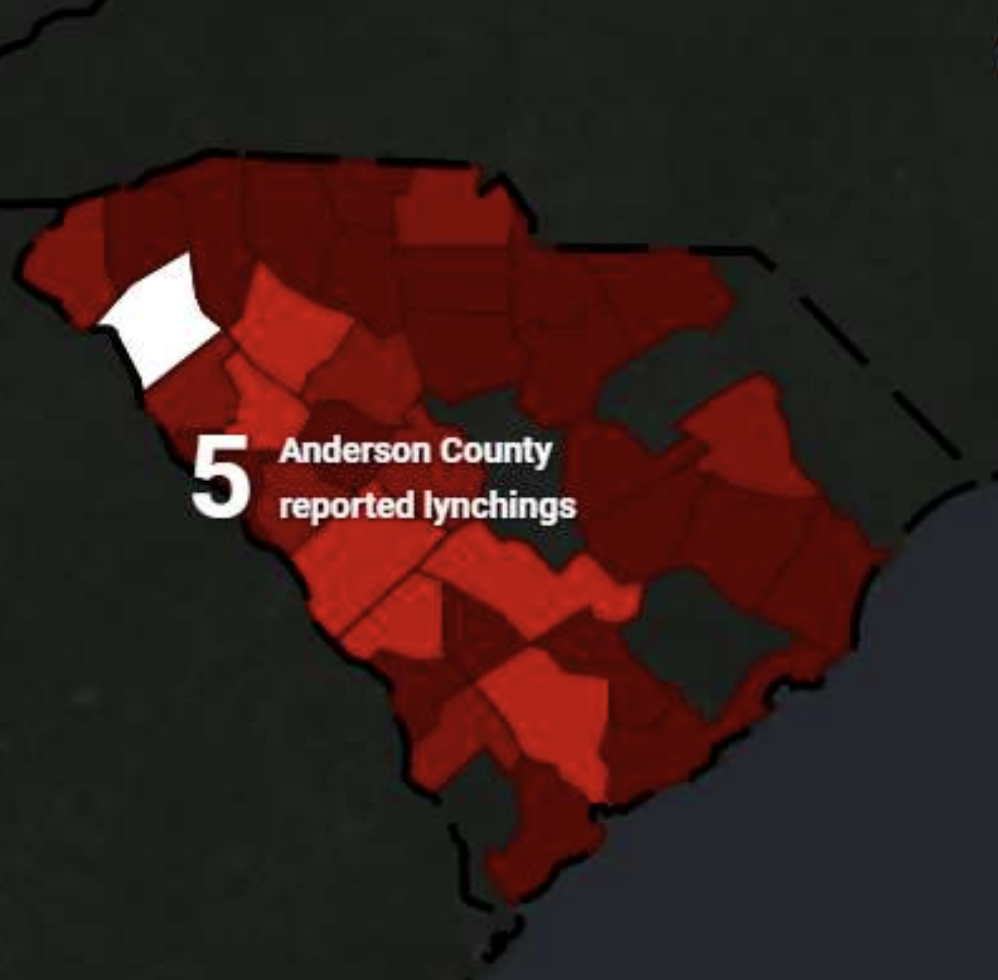
EJI Document
-
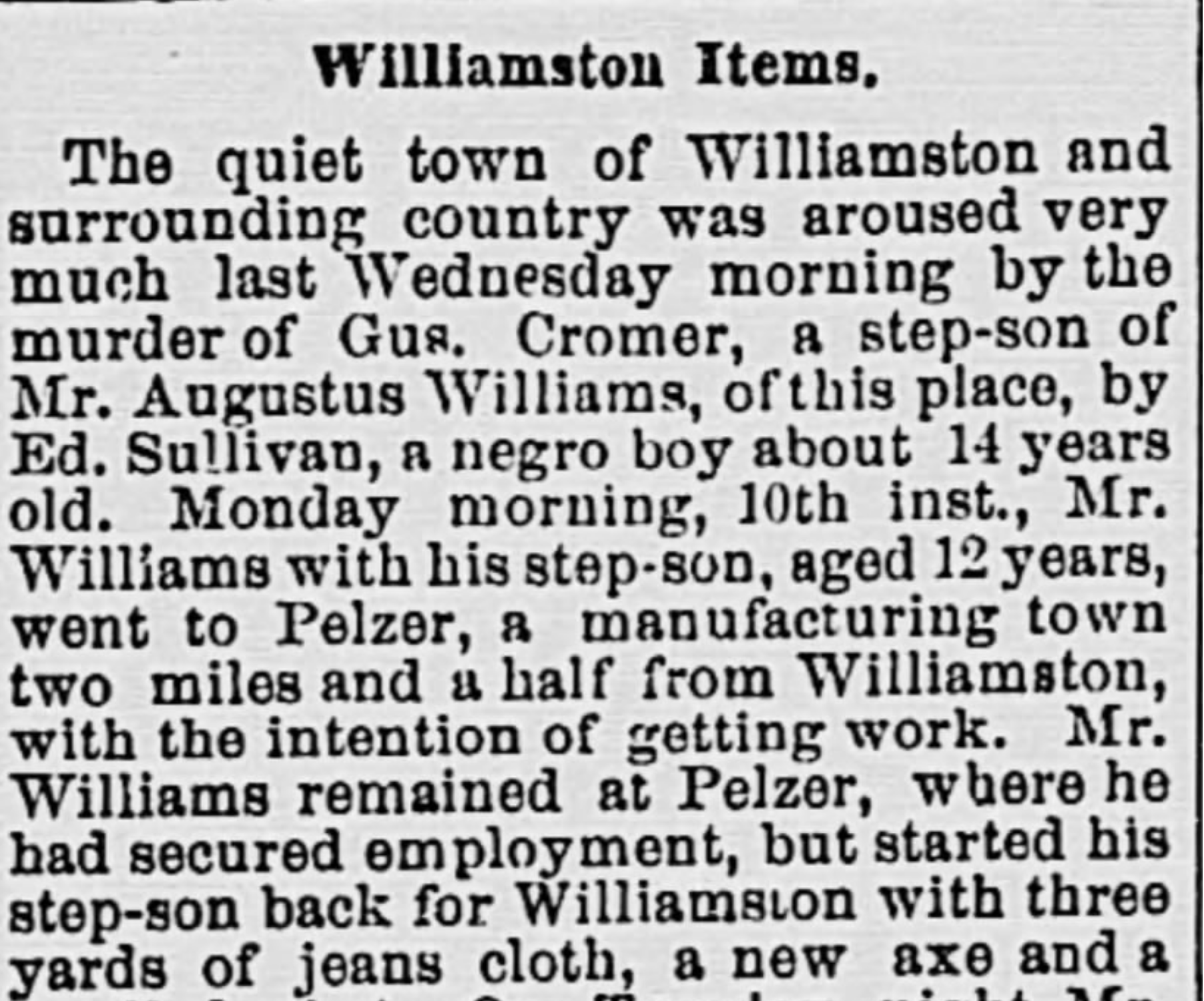
Intelligencer - December 19, 1894
-
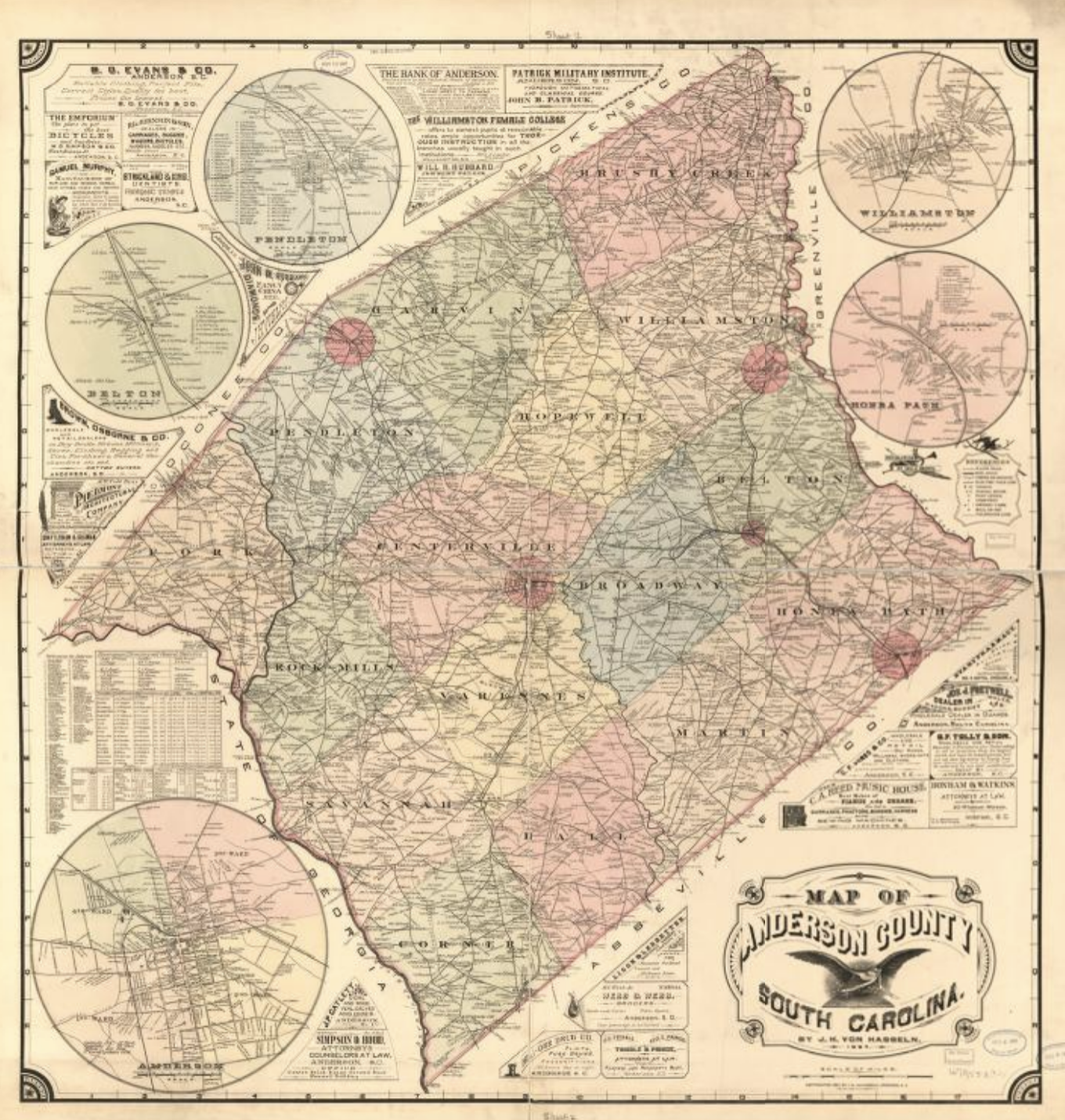
Map of Anderson County, South Carolina - 1897
"The end is reconciliation; the end is redemption; the end is the creation of the Beloved Community."
— Dr. Martin Luther King, Jr.